Emergency Plumbing Guide: What to Do Before Help Arrives
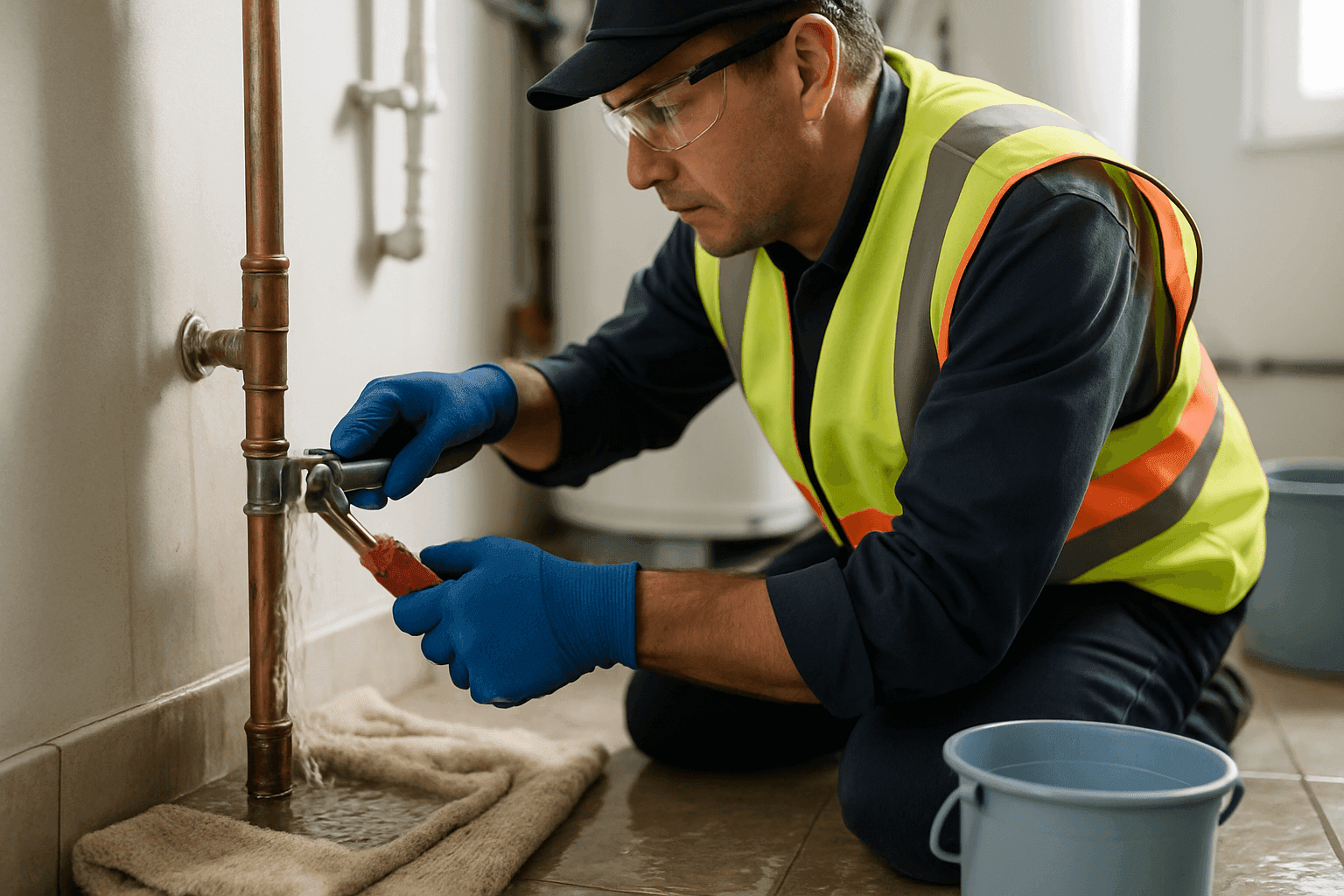
When plumbing goes wrong, it rarely gives you a warning. One minute, your home or business is running smoothly. The next—water is gushing where it shouldn’t, or a burst pipe is threatening your floors, walls, and sanity. We know the panic, the urgency, and the questions that come flooding in (literally). At SDC Plumbing, we’ve helped thousands regain control, whether it’s a midnight leak or an overflowing toilet during a holiday dinner.
If you’re reading this, you’re already taking the right first step. Here’s how to act fast, stay safe, and minimize the mess before our emergency plumbing team arrives.
Recognizing a Plumbing Emergency 🚨
Plumbing emergencies are like storms—they hit hard, fast, and always at the worst time. But how do you know if you’re facing a true emergency that needs immediate help?
Common plumbing emergencies:
- Burst pipes spraying water
- Major leaks soaking floors, ceilings, or walls
- Overflowing toilets or sinks
- Water heater failures with flooding or no hot water
- Sewer backups with foul odors or visible waste
- Gas smells anywhere near pipes or appliances
If water (or sewage) is running where it shouldn’t, or you smell gas, treat it as urgent. Water can cause major damage in minutes, and gas leaks are a serious hazard. Not sure? When in doubt, call for emergency plumbing help.
Shutting Off Water and Gas Safely
Stopping the flow is your first line of defense. Picture it like stopping the rain in a thunderstorm—the sooner, the better.
How to cut off water:
- Find the main shutoff valve: Usually in basements, garages, or outside near the foundation.
- Turn it clockwise: Like tightening a jar lid.
- Toilets or sinks only? Shut off the local valve—look for a metal knob under the fixture.
For gas leaks:
- Smell rotten eggs? Open windows, evacuate, and call your utility provider or emergency services immediately. Only turn off the gas at the main valve if you know how and can do so safely.
- Never use open flames or flip switches near a suspected leak.
If you can’t find the shutoff, don’t panic. Let the plumber know as soon as you call—they’ll help you find it over the phone if needed.
Minimizing Damage Before Help Arrives 💧
Every second counts. Water moves fast—so do you, but safely.
Quick steps:
- Move valuables: Pick up rugs, electronics, and furniture near the water.
- Protect electrical systems: Never wade into water near outlets or appliances.
- Contain the leak: Place buckets, towels, or pans under drips.
- Open cabinets: Let air circulate around pipes—can help prevent mold.
- Clear paths: Make sure the plumber can reach the affected area quickly.
If sewage is involved, avoid contact. Wear gloves or boots if you must enter the area.
Temporary DIY Fixes (Simple & Safe)
Sometimes a patch job can buy precious time. Think of these as umbrellas—not a long-term solution, but they’ll help you stay dry until help arrives.
Basic fixes you can try:
- Rubber patch & clamps: Wrap a piece of rubber (like an old bike tube) around a leaky pipe and secure with hose clamps or zip ties.
- Teflon tape: For minor leaks at joints, wrapping the threads can slow the drip.
- Shut off appliances: Turn off water heaters and washing machines if they’re part of the problem.
- Toilet won’t stop running? Lift the tank lid and close the flapper valve by hand.
Never use anything flammable or pressurized to stop leaks. Don’t try to repair gas lines—leave that to licensed professionals.
What Information to Gather for the Plumber 📝
The more details you share, the faster we can help. Think of it as building a map for your plumber.
What to note:
- Exact location: Is the issue in the kitchen, bathroom, basement, or yard?
- Type of problem: Water, sewage, gas, or all three?
- How long has it been happening?
- Photos: Snap a few clear pictures—especially if the water is spreading or appliances are affected.
- Shutoff status: Did you turn off water or gas? Where?
- Access points: Any locked gates, pets, or obstacles?
Sharing these details helps your plumber arrive prepared, saving valuable time and preventing surprises.
Safety First: Avoiding Hazards ⚡
Water and electricity don’t mix. Neither do gas leaks and open flames.
Stay safe by:
- Never wading through standing water near outlets or electrical cords.
- Turning off breakers if water is near panels or appliances—but only if safe to do so.
- Avoiding contaminated water: Don’t use sinks or showers if sewage is involved.
- Evacuating if you smell gas or see sparks.
The National Fire Protection Association and local codes agree: When in doubt, wait for the pros. Nothing in your home or business is worth risking your health.
DIY vs. Call a Pro
Some plumbing hiccups are a quick fix. Others? You need a licensed, insured plumber on site.
DIY when:
- It’s a minor drip or slow drain.
- You know how to shut off water and it stops the problem.
- You have basic tools and the leak is tiny, with no risk to wiring or gas.
Call a pro when:
- Water is flowing uncontrollably.
- You suspect a gas leak.
- There’s sewage backup.
- You don’t feel safe or confident.
As one of our senior technicians puts it: “If you’re guessing, don’t risk it.” Emergency plumbing is about keeping you safe first.
What Pros Do On Arrival
When our team gets there, the clock starts ticking—fast.
Here’s what to expect:
- Assessment: We inspect the source, scope, and urgency.
- Safety checks: We test for gas, shut down power if needed, and block off hazardous areas.
- Temporary repairs: We’ll stop the flow, patch leaks, or unclog blockages.
- Long-term fixes: We’ll explain next steps—pipe repair, water heater replacement, or sewer line inspection—based on what’s needed.
- Documentation: Photos, written notes, and safety recommendations for insurance or code compliance.
We follow local and national plumbing codes to keep your property safe and up to standard.
Prevention & Maintenance Tips 🛠️
The best emergency is the one that never happens. A little care goes a long way.
Simple steps to prevent plumbing emergencies:
- Know where your water and gas shutoffs are (and label them for others).
- Insulate pipes before winter to prevent freezes.
- Don’t flush wipes, grease, or foreign objects.
- Schedule regular inspections—especially in older buildings.
- Check water pressure; too high can stress pipes and fixtures.
- Install backflow prevention devices where required by code.
- Keep sump pumps and drains clear—especially before storms.
The International Association of Plumbing and Mechanical Officials (IAPMO) recommends annual checks for peace of mind.
Costs & Time Factors
Plumbing emergencies are stressful enough—cost shouldn’t be a mystery. While we can’t give exact numbers here, some things affect both price and repair time:
- Severity: Major bursts or sewer backups take longer and cost more than small leaks.
- Access: Pipes behind walls or under slabs add complexity.
- Parts: Special fixtures or outdated systems may require ordering parts.
- Time of day: After-hours or holiday calls can impact response time.
A quick call with details helps us provide realistic expectations—no surprises.
When It’s Really an Emergency
Not every plumbing issue is a five-alarm fire. Here’s when to call for immediate emergency plumbing:
- Flooding that can’t be stopped with a shutoff
- No water in your building (could be a main line issue)
- Rapidly rising water in toilets, sinks, or tubs
- Gas smell or hissing from pipes
- Water near electrical equipment
If you’re unsure, it’s safer to treat the situation as an emergency. We’re always ready to advise over the phone.
FAQ
Q: Do I need to leave my home or business during a plumbing emergency?
A: Only if there’s a risk of electrical shock, gas leak, or sewage contamination. Otherwise, stay nearby and follow safety steps.
Q: Will my insurance cover water damage?
A: Most policies cover sudden, accidental leaks—but not slow, long-term drips. Check with your insurer and document everything.
Q: How fast can a plumber arrive?
A: At SDC Plumbing, we prioritize true emergencies. Give details when you call, and we’ll dispatch the closest qualified technician.
Q: Should I try to fix a burst pipe myself?
A: You can contain leaks temporarily, but full repairs require specialized tools and knowledge. DIY fixes can make things worse if done improperly.
Local & Seasonal Considerations 🌨️
Plumbing emergencies don’t take holidays off:
- Winter: Insulate outdoor faucets and exposed pipes. Thaw slowly if pipes freeze—never use open flames.
- Storms: Keep drains clear; check sump pumps before heavy rain.
- Holidays: More guests mean more strain on bathrooms and kitchens—remind visitors what not to flush.
Business owners: Schedule preventative maintenance before peak seasons (like winter or big event weekends).
Final Thoughts
Plumbing disasters are never convenient, but a calm, informed response can make all the difference. If you’re facing an emergency, know that SDC Plumbing is just a call away—day or night. Our licensed professionals handle everything from pipe repair near you to leak detection and water heater installation, for homes and businesses alike.
Call SDC Plumbing now — or reach us anytime at 888-218-8797 .