Preventing Costly Plumbing Problems: Essential Maintenance Tips for Every Season
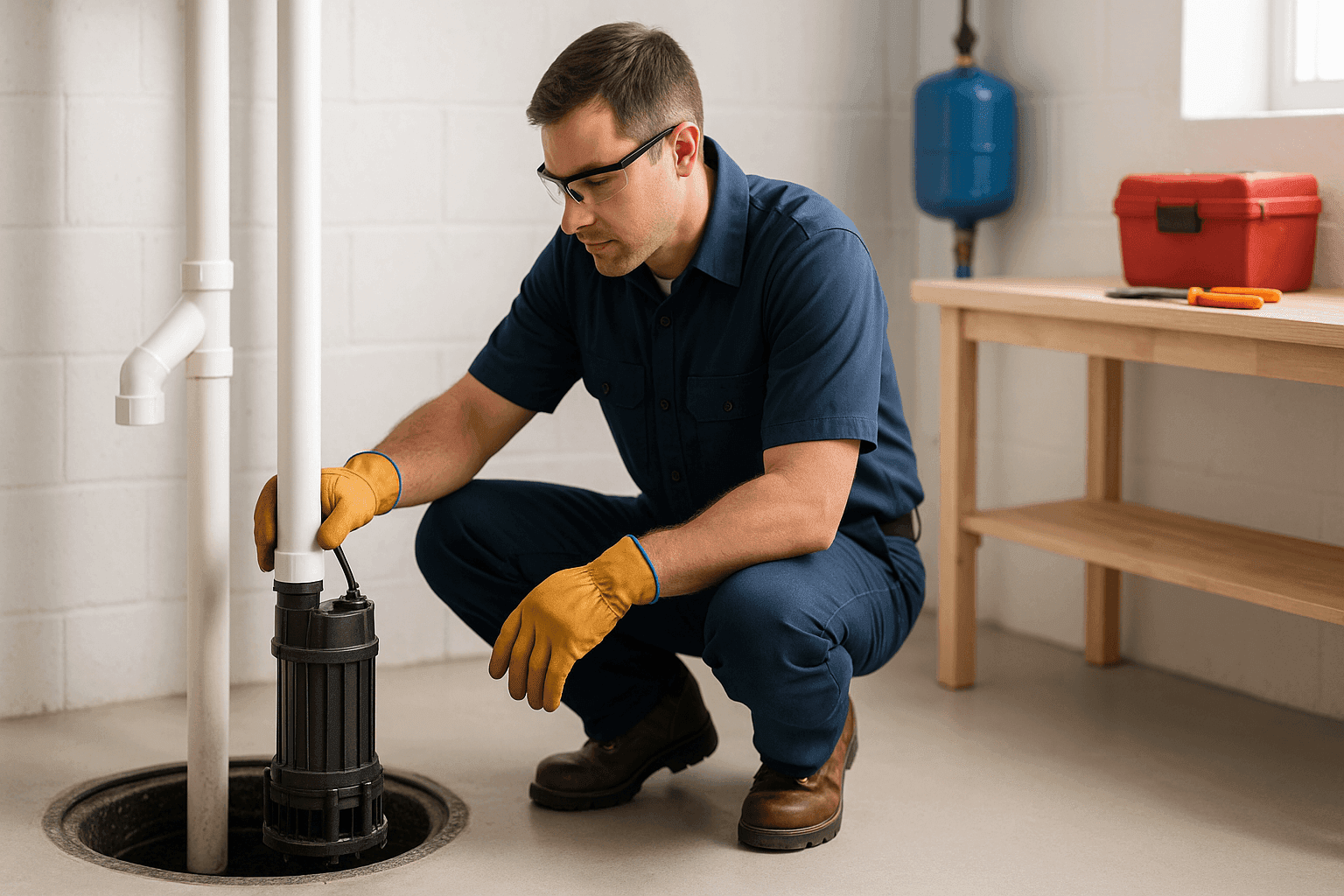
Every home and business owner dreads the sound of dripping water or the sight of a spreading stain across the ceiling. Plumbing problems don’t just ruin your day—they can wreck your budget, disrupt operations, and turn a cozy winter night or a busy holiday into a stressful scramble.
At SDC Plumbing, we’ve seen far too many preventable disasters. A bit of maintenance, at just the right time, can mean the difference between a quick fix and a costly emergency plumbing call. Whether you’re a homeowner or manage a commercial facility, knowing what to look for each season is the best insurance your pipes can get.
Why Plumbing Maintenance Matters 🛠️
Think of your plumbing like the veins of your property. Ignore them and eventually, something bursts. Regular check-ups keep water flowing, drains clear, and problems small—before they snowball.
Neglecting maintenance can lead to:
- Expensive water damage repairs (Insurance Journal notes water claims average thousands per incident)
- Mold growth and health risks
- Sudden loss of water or hot water
- Costly emergency plumbing calls, often after-hours
- Non-compliance with local building codes and warranty requirements
Routine preventative care not only saves money but also extends the life of your plumbing, fixtures, and appliances. For both homes and businesses, this means fewer interruptions and peace of mind—from kitchen sinks to sewer lines.
Spring Plumbing Maintenance Checklist 🌱
Spring is a season of renewal—and a perfect time to give your plumbing a fresh start after winter’s stress.
What to do:
- Check for leaks under sinks and around appliances. Even a small drip signals trouble.
- Test outdoor faucets and hose bibs for frost damage.
- Clear gutters and downspouts to keep water away from your foundation.
- Inspect sump pumps before spring rains—pour a bucket of water in and make sure it runs.
- Examine exposed pipes for corrosion or rust.
- Clean out drains and traps; hair and debris build up fast.
Pro tip: If you see water stains on ceilings or walls, call for a leak detection service. Early action here prevents big headaches.
Summer Plumbing Maintenance Checklist ☀️
Summer means more water usage—think watering gardens, filling pools, and entertaining guests. Heavy use can push weak systems to the brink.
What to do:
- Inspect washing machine hoses for bulges or cracks.
- Clean out lint and debris from drain traps.
- Test water pressure—low pressure can signal a hidden leak or blockage.
- Check for signs of sewer line trouble (slow drains, gurgling toilets).
- Inspect irrigation systems and outdoor plumbing for leaks.
- Schedule backflow prevention testing, especially in commercial settings.
Bonus: Plan for water heater maintenance. Sediment buildup can shorten its life and spike energy bills.
Fall Plumbing Maintenance Checklist 🍂
As the leaves fall, prep your plumbing for colder days ahead and holiday gatherings.
What to do:
- Disconnect and drain outdoor hoses; shut off exterior spigots.
- Insulate exposed pipes in unheated spaces (garages, basements).
- Test your sump pump before heavy fall rains.
- Clear roof drains and gutters of leaves and debris.
- Check toilets for silent leaks—add food coloring to the tank, and look for color in the bowl.
- Clean and inspect kitchen disposals—holidays mean heavy use!
Tip: Book a water heater inspection now, before guests arrive for the holidays.
Winter Plumbing Maintenance Checklist ❄️
Frozen pipes are a classic—and costly—winter disaster. A little prep goes a long way.
What to do:
- Keep indoor temperatures above 55°F, even if away.
- Open cabinet doors under sinks to let warm air circulate.
- Drip faucets in cold snaps, especially on exterior walls.
- Check boiler and water heater function; flush if needed.
- Watch for frost on exposed pipes—insulate immediately.
- Know where your main shutoff valve is, and make sure it works.
Warning: If a pipe freezes, don’t use open flames to thaw it. Turn off the water and call an emergency plumbing pro right away.
Signs You Need a Pro (and Not Just a Plunger)
Some fixes are DIY. Others? You’ll want a licensed, insured plumber on speed dial.
Call for help if you notice:
- Sudden drops in water pressure
- Recurring clogs or slow drains in multiple locations
- Unexplained spikes in your water bill
- Persistent sewer odors indoors
- Water stains, mold, or soft spots on floors/walls
- No hot water, or water heater leaks
- Gas smells or pilot light issues
Remember: Plumbing codes and safety standards protect you. Many repairs, like gas line work or major pipe repair, require a licensed professional for both safety and warranty compliance.
What You Can Do—And When to Call SDC Plumbing
DIY-friendly tasks:
- Cleaning faucet aerators and showerheads
- Flushing drains with safe, non-corrosive cleaners
- Tightening minor fixture connections
- Checking for visible leaks
Jobs for the pros:
- Sewer line repair or inspection
- Water heater installation or major repair
- Boiler servicing
- Gas line installation or safety checks
- Pipe repiping or installation
- Backflow testing and prevention
When in doubt, always err on the side of safety. Incorrect repairs can lead to code violations, void warranties, or even hazardous conditions.
Maintenance Musts for Commercial Properties 🏢
For businesses and facility managers, plumbing demands are higher and the stakes bigger. Water issues can halt operations or violate health codes.
Don’t skip:
- Annual backflow prevention and testing (required by most municipalities)
- Routine fixture checks in restrooms and kitchens
- Floor drain and grease trap cleaning
- Water filtration system inspections
- Commercial sump pump and sewage ejector testing
- Emergency plumbing response protocols in place
Tip: Schedule inspections after major events or before peak occupancy seasons.
Freeze Prevention and Holiday Plumbing Stress
Winter holidays bring both joy and plumbing headaches. Guests and cold weather combine for double trouble.
Prevent freeze-ups:
- Use foam pipe sleeves on vulnerable lines
- Seal up drafts around pipes and utility entries
- Keep garage doors closed if plumbing runs through there
Handle holiday surges:
- Remind guests not to flush wipes or pour grease down drains
- Empty and clean garbage disposals after big meals
- Space out showers and laundry loads to avoid overloading drains
Frequently Asked Questions
How often should I schedule professional plumbing maintenance?
Most homes benefit from an annual inspection. Commercial properties may require semi-annual or quarterly checks, especially for high-use facilities.
Is pipe insulation necessary in mild climates?
Yes—unexpected cold snaps happen everywhere, and insulation prevents surprise freeze-ups.
Can I use chemical drain cleaners?
It’s better to avoid harsh chemicals. They can damage pipes and fixtures. Use a mixture of baking soda and vinegar, or call for professional drain cleaning if needed.
What should I do if I smell gas near my water heater or boiler?
Leave the area immediately and call your gas company or emergency plumbing service. Gas leaks are dangerous and require immediate professional attention.
The Bottom Line: Proactive Care Pays Off
Plumbing doesn’t have to be a guessing game. With a little know-how and support from a licensed team, you can avoid most emergencies, keep your water clean and safe, and save thousands in repairs over the years. SDC Plumbing is always here for both routine needs and the urgent moments you can’t predict.
Call SDC Plumbing now — or reach us anytime at 888-218-8797 .