Backflow Prevention: Protecting Your Water from Contamination
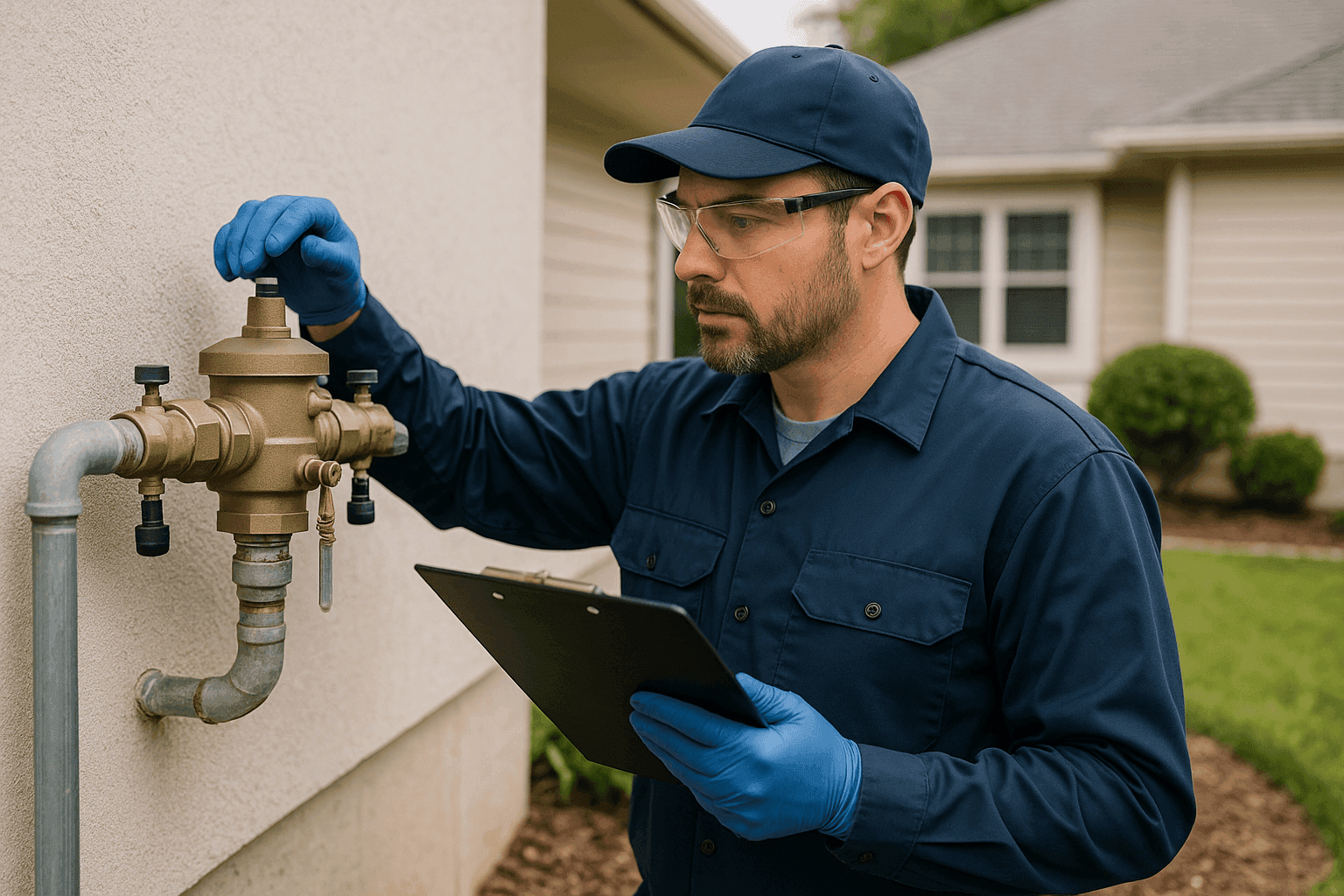
Keeping your water clean shouldn’t be a guessing game. But the hidden risk of backflow can turn a normal day into an emergency plumbing nightmare. SDC Plumbing works around the clock to keep that nightmare from ever knocking on your door—or your tap.
Backflow prevention isn’t just a fancy term. It’s your home or business’s shield against dangerous contaminants creeping into your drinking water. Here’s what you need to know.
What Is Backflow? 🛑
Imagine water flowing backward through your pipes, the way a river runs upstream after a storm surge. That’s backflow. It can happen when pressure in your plumbing changes—maybe from a burst water main or a sudden use of a fire hydrant nearby.
Instead of water traveling safely from the city’s supply into your home, polluted water from irrigation, industrial systems, or even a neighbor’s hose can sneak back in. It’s like opening the front door and letting muddy boots stomp all over your clean kitchen floor.
Backflow isn’t rare. It can strike any plumbing system—residential or commercial—especially if protective devices aren’t in place or working right.
Health Risks of Backflow
When backflow happens, the stakes are high. Contaminated water isn’t just gross—it can make people sick. How? Here’s what might flow into your system:
- Fertilizers or pesticides from gardens and lawns
- Bacteria from sewer lines or stagnant water
- Chemicals from industrial processes
- Dirty water from irrigation or pools
Even a short backflow event can turn safe water dangerous. According to the Centers for Disease Control and Prevention (CDC), backflow is a known cause of waterborne illness outbreaks. The risks range from mild stomach upset to life-threatening disease.
Backflow Devices Explained
Not all plumbing defenses are created equal. Backflow prevention devices are like locked gates—each one suited for a specific threat.
Common types:
- Air Gaps: The simplest and most reliable—a physical space between your faucet and anything that could contaminate the water.
- Double Check Valves: These use two spring-loaded check valves to keep water moving the right way.
- Reduced Pressure Zone (RPZ) Assemblies: The gold standard for high-risk situations, with relief valves that open if pressure drops.
- Pressure Vacuum Breakers: Often used for lawn irrigation, they stop contaminated water from being sucked back in.
Choosing the right device depends on your plumbing, risk level, and local code requirements. SDC Plumbing’s certified testers can assess your property and recommend what’s best for you.
Installation and Testing: What the Law Demands
Backflow prevention isn’t just about peace of mind—it’s the law. Most local codes—including those based on the Uniform Plumbing Code (UPC) and International Plumbing Code (IPC)—require:
- Approved backflow devices on certain fixtures and main lines
- Installation by licensed professionals
- Initial testing after installation
- Annual inspection and testing by certified testers (like SDC Plumbing)
Failing to comply can mean fines, water shutoff, or liability if someone gets sick. It’s not worth the risk.
Pro Tip: Always ask for certification credentials. SDC Plumbing’s testers are fully certified under state and local regulations.
Backflow Prevention Quick Safety Checklist
- Know if your plumbing system needs a backflow device (ask your water provider or SDC Plumbing)
- Look for signs of trouble: discolored water, odd tastes, or sudden pressure drops
- Schedule annual testing—even if your system seems fine
- Keep landscaping and hose connections away from potential contaminants
- Never submerge hoses in buckets, pools, or tanks
A few minutes of prevention can save days of costly cleanup and worry.
DIY vs. Call a Pro
Some plumbing jobs are weekend projects. Backflow prevention isn’t one of them.
DIY Risks:
- Missing code requirements
- Installing the wrong device
- Voiding insurance coverage
- Failing to test properly
When to Call a Pro:
- You’re not sure if your property needs protection
- Annual testing is due
- A new device needs installation
- You notice any warning signs
Certified plumbers have the training, tools, and legal backing to do the job right the first time.
What Pros Do On Arrival
When SDC Plumbing arrives, here’s how we protect your water:
- Inspect your plumbing layout and risk points
- Recommend the right device for your needs and code requirements
- Install with precision, meeting all legal standards
- Test the device using calibrated equipment
- Document all work for your records and inspections
We leave nothing to chance—because your safety comes first.
Prevention & Maintenance
Backflow devices are sturdy, but not bulletproof. Like a seatbelt, they need regular checks.
- Schedule annual testing (required by law in most areas)
- Keep the area around devices clear and accessible
- Watch for leaks, corrosion, or visible damage
- Replace old or faulty devices promptly
- Keep test reports on file for inspectors
The Environmental Protection Agency (EPA) and local health departments recommend these steps to keep water supplies safe.
Costs & Time Factors
How much does backflow prevention cost? It varies depending on system size, device type, and local code.
Typical cost factors:
- Device type (air gap, double check, RPZ)
- Installation complexity (retrofit vs. new build)
- Testing fees (annual certification)
- Parts and labor
Most installations and tests take a few hours—some can be finished in less time. Emergency plumbing needs? SDC Plumbing responds 24/7.
When It’s an Emergency
If you suspect backflow or see signs of contaminated water:
- Stop using water immediately
- Call your water provider and SDC Plumbing—fast
- Don’t try to flush or “clear out” lines yourself
- Keep everyone away from potentially contaminated water
This is a true plumbing emergency. We’re here day or night to help you stay safe.
Frequently Asked Questions
How do I know if I need a backflow device?
If you have irrigation, fire sprinklers, commercial kitchens, or any cross-connections to non-potable water, you likely need one. Your city or water provider can confirm, or SDC Plumbing can assess for you.
How often should backflow devices be tested?
Most codes require annual testing by a certified tester. SDC Plumbing provides test reports for your records and compliance.
What if my device fails a test?
Don’t panic. Most issues are minor and fixable. We’ll recommend repairs or replacement and retest to make sure you’re in the clear.
Can backflow cause water pressure issues?
Yes. Blocked or faulty devices can restrict flow. Regular checks keep water pressure steady and safe.
Local and Seasonal Considerations 🌦️
Cold weather can freeze and damage backflow devices. Insulate outdoor assemblies before winter hits. Heavy spring rains or construction nearby can also increase backflow risk. In some regions, health departments issue seasonal reminders for annual testing—don’t ignore them.
Local codes may have special rules for commercial kitchens, apartment buildings, or medical offices. SDC Plumbing stays up-to-date with every change so you don’t have to.
Protecting your water is too important to leave to chance. Backflow prevention keeps your home or business—and everyone in it—safe from contamination. Need annual testing, device installation, or emergency plumbing help?
Call SDC Plumbing now — or reach us anytime at 888-218-8797 .