Bathroom Plumbing Upgrades: Comfort, Efficiency, and Resale Value
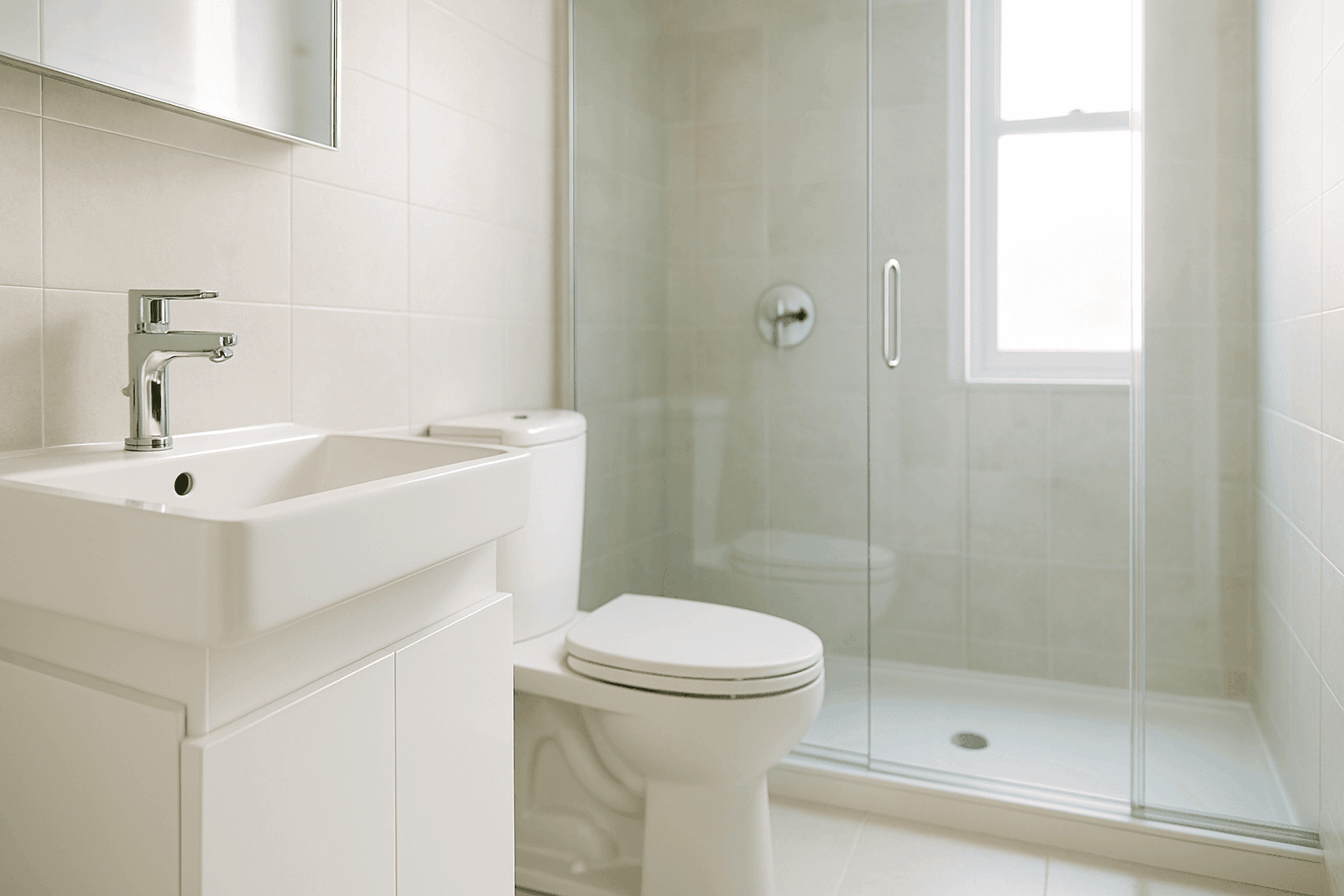
Every home tells a story. But nothing says “ready for anything” like a bathroom with smooth-running pipes, a hot shower on demand, and fixtures that don’t leak or waste water. Most homeowners don’t think about bathroom plumbing until a problem floods their morning routine. That’s where the right upgrades make all the difference.
SDC Plumbing has helped countless families and businesses turn outdated bathrooms into spaces that run efficiently and boost property value. Whether you’re dealing with stubborn leaks or dreaming about a spa-worthy shower, upgrading your plumbing is more than a quick fix—it’s an investment in comfort, safety, and peace of mind.
Why Upgrade Bathroom Plumbing? 🚿
Bathroom plumbing isn’t just about pipes hidden behind walls. It’s the heartbeat of your daily routine. But old pipes, inefficient toilets, or aging water heaters can cause problems you feel every day:
- Weak water pressure that dribbles instead of flows.
- Cold showers because the water heater can’t keep up.
- Leaks that sneak up and damage floors or walls.
- Toilets that waste water and money.
A modern upgrade means more than fixing what’s broken. It’s about choosing smarter, safer, and more comfortable solutions. The Environmental Protection Agency reports that replacing old toilets with WaterSense models can save the average family nearly 13,000 gallons of water every year. That’s more than enough to fill a small backyard pool!
Upgrades also reduce the risk of plumbing emergencies. Burst pipes, hidden leaks, and failing sump pumps can turn a normal day into a costly disaster. Investing in new fixtures and piping today helps you avoid frantic searches for “emergency plumbing” services tomorrow.
Top Bathroom Plumbing Upgrades
Want to get the most value for your money? Focus on upgrades that blend comfort, efficiency, and long-term savings.
1. Low-Flow Toilets
Traditional toilets use up to 6 gallons per flush. Low-flow models drop that to 1.28 gallons or less. That’s immediate savings on your water bill and a smaller environmental footprint.
Look for WaterSense-labeled toilets that meet EPA standards. These models flush just as powerfully as old ones, but with a fraction of the water.
2. Modern Showers and Showerheads
Swap out old showerheads for high-efficiency versions. Today’s best designs use air to maintain strong pressure while cutting water use by 30% or more.
Consider thermostatic valves for precise temperature control—no more ice-cold shocks or scalding surges. For homes with accessibility needs, barrier-free showers with hand-held sprayers add comfort and safety.
3. Upgraded Piping
If your home still has galvanized steel or polybutylene pipes, it’s time for a change. Modern PEX and copper lines resist corrosion and leaks. They deliver steady, clean water without mystery odors or stains.
Repiping also fixes low water pressure and eliminates hidden leaks that drive up utility bills.
4. Efficient Water Heaters
An old, clunky water heater can chew through energy and leave you with cold showers. Upgrading to a tankless or high-efficiency model delivers hot water on demand. You save space, reduce energy use, and often extend the unit’s lifespan.
5. Smart Fixtures and Leak Detection
Install touchless faucets to reduce germs and water waste. Add leak detectors under sinks or near the toilet. These small sensors send alerts to your phone if they sense a drip—catching issues before they become emergencies.
Installation Process: What to Expect
Plumbing upgrades don’t have to take over your life. Here’s how SDC Plumbing handles the process from start to finish:
Step 1: Assessment and Planning
First, a technician inspects your current bathroom setup—checking pipes, fixtures, and water pressure. We listen to your concerns and goals, then recommend upgrades that fit your needs and budget.
Step 2: Code and Safety Review
Every job follows local plumbing codes and safety standards, including those set by the International Association of Plumbing and Mechanical Officials (IAPMO). We check for proper venting, backflow protection, and safe gas line installation.
Step 3: Removal and Prep
Old fixtures come out first. Pipes, valves, and shutoffs are inspected or replaced if needed. We protect floors and walls from debris or moisture.
Step 4: Installation
New toilets, sinks, showers, and piping are installed with precision. All joints are sealed, and systems are pressure-tested before finishing touches go in.
Step 5: Testing and Clean-Up
Every fixture is tested for leaks, pressure, and smooth operation. We clean up the workspace so your new bathroom is ready right away.
ROI and Efficiency: How Upgrades Pay Off 💧
Upgrading bathroom plumbing isn’t just about convenience—it’s a smart financial decision.
- Resale Value: Modern bathrooms are a top selling point. According to Remodeling Magazine’s Cost vs. Value Report, even minor bathroom remodels can recoup up to 70% of their cost at resale.
- Lower Bills: Water-saving fixtures can slash your utility bills. Low-flow toilets and efficient showerheads add up to hundreds of dollars saved each year.
- Emergency Prevention: New pipes and leak detectors reduce the risk of costly “emergency plumbing” calls. Peace of mind is priceless.
- Health and Comfort: Say goodbye to moldy smells, hidden leaks, and cold showers. Upgrades mean cleaner water and a more enjoyable space.
Safety Checklist: Before You Upgrade
A few minutes of preparation save hours of headaches:
- Know where your main water shutoff valve is located.
- Check for signs of leaks: damp walls, soft flooring, or musty smells.
- Make sure your electrical outlets near sinks are GFCI-protected.
- Review local plumbing codes or ask your installer about permits.
- Don’t ignore strange sounds—banging pipes or running water could signal hidden problems.
DIY vs. Calling a Pro
Some upgrades sound simple on YouTube. But swapping out a toilet or showerhead can reveal problems beneath the surface.
DIY:
- Perfect for changing out showerheads or tightening loose faucets.
- If you spot corroded pipes, water stains, or electrical wiring, stop and call a pro.
Call SDC Plumbing:
- For any repiping, water heater installation, or gas line work.
- When you need peace of mind that everything meets code and safety standards.
Remember: It’s never worth risking a costly emergency or voiding your insurance with unpermitted work.
What Plumbers Do on Arrival
Expect a licensed plumber to:
- Inspect fixtures, pipes, and water pressure.
- Diagnose hidden leaks or corrosion.
- Test for proper drainage and backflow prevention.
- Recommend safe, efficient upgrades tailored to your space.
We respect your time. Our team explains every step and leaves your home as tidy as we found it.
Maintenance Tips to Keep Upgrades Working
A few good habits keep your new bathroom running smoothly:
- Check for drips under sinks once a month.
- Clean faucet aerators and showerheads to prevent mineral buildup.
- Don’t flush wipes or grease—these clog even modern pipes.
- Schedule annual inspections for water heaters and sump pumps.
- Keep an eye on water pressure: suddenly weak flow may signal a hidden leak.
Costs & Time Factors
Bathroom plumbing upgrades range from single fixture swaps to full-scale remodels.
- Time: Replacing a toilet or faucet: 1-2 hours. Full repiping or shower installation: 1-3 days.
- Costs: Vary by project size, materials, and labor. Energy-efficient and water-saving fixtures often pay for themselves in lower utility bills over time.
- Permits: Some upgrades (like piping or water heater replacement) may require permits. Your plumber handles this paperwork.
Always ask for a clear estimate and timeline before work begins.
When It’s an Emergency
A burst pipe, overflowing toilet, or leaking water heater can’t wait. Signs you need immediate help:
- Water pooling on floors or dripping from ceilings.
- No hot water or a heater making strange noises.
- Gas smells or hissing near pipes—evacuate and call for help.
- Toilets that won’t stop running or drain slowly even after plunging.
In these moments, fast response matters. SDC Plumbing is always ready to help with emergency plumbing—day or night.
FAQ
How do I know if my bathroom pipes need to be replaced?
Look for frequent leaks, rusty water, or low pressure. Homes built before 1980 often have outdated piping that benefits from an upgrade.
Are low-flow toilets really effective?
Yes. Today’s models use advanced engineering to flush powerfully with less water. They’re recommended by EPA WaterSense and most local codes.
Can I install a new shower or toilet myself?
If you’re handy, some installations are possible. But mistakes can lead to leaks or water damage. For anything involving pipes or valves, calling a licensed plumber is safest.
How often should I have my bathroom plumbing inspected?
Annually, or anytime you notice changes in water pressure, strange noises, or visible leaks.
Local and Seasonal Considerations
If you live in an area with freezing winters, insulated pipes and frost-proof fixtures protect against bursts. In hot, humid climates, keeping ventilation strong helps prevent mold and mildew. Always check with local building codes before starting major upgrades—requirements can vary.
Commercial bathrooms face heavy use and stricter requirements for backflow prevention and accessibility. SDC Plumbing stays up-to-date with all relevant codes to protect your business and your customers.
Ready to upgrade your bathroom for comfort, efficiency, and long-term value?
Call SDC Plumbing now — or reach us anytime at 888-218-8797 .