Boiler Repair Guide: Troubleshooting Heat and Hot Water Issues
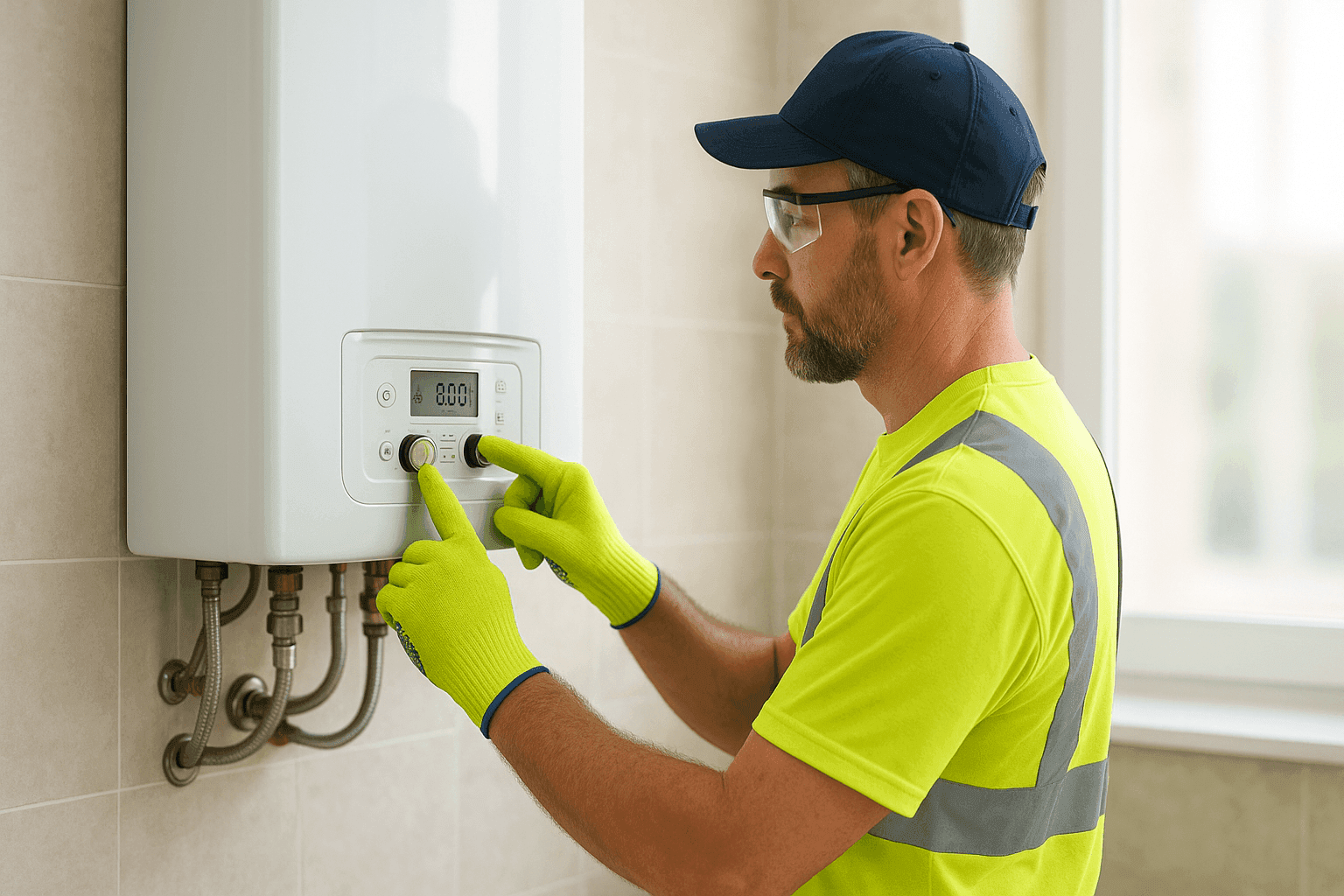
Is your home suddenly chilly, even though your thermostat is set right? Maybe there’s no hot water for your morning shower. You’re not alone. Boiler troubles can sneak up on anyone—fast. And when they do, it feels urgent.
At SDC Plumbing, we understand how stressful boiler problems can be. Our certified technicians work around the clock, helping both residential and commercial clients get back to normal. Let’s walk through what you can do right now, and when it’s time to call for emergency plumbing help.
How Boilers Work
Picture your boiler as the beating heart of your heating system. It takes in cold water, heats it up, and sends it rushing through pipes to warm your radiators or supply hot water for taps. There are different types—combi, system, and conventional—but they all share the same mission: to keep you comfortable.
- Combi boilers: Heat water on demand. No storage tank.
- System/Conventional boilers: Store hot water in a cylinder. Great for larger buildings or simultaneous demand.
When everything flows as it should, you hardly notice. But when something’s off—strange noises, leaks, or stone-cold radiators—your boiler will soon make itself known.
Common Boiler Issues 🚨
Boilers talk to us in their own way. Here’s what they might be saying:
- No heat or hot water: Could mean a failed thermostat, broken diaphragm, or airlock.
- Strange noises: Think of banging, gurgling, or whistling. These might signal trapped air, limescale, or low water pressure.
- Leaks: Water pooling under the unit? That’s never good—likely from worn seals or corroded pipes.
- Pilot light keeps going out: On older boilers, this could be a faulty thermocouple or a draft.
- Pressure drops: Most boilers have a gauge. If it dips below 1 bar, something’s wrong.
- Radiators not heating evenly: Sludge, air, or a circulation issue.
Some issues are quick fixes. Others need a trained hand. Never gamble with gas or water—it’s not worth the risk.
DIY Boiler Checks
Before you grab the phone, here’s what you can safely check yourself:
- Thermostat: Is it set correctly? Sometimes the issue is as simple as a bumped dial or a dead battery.
- Boiler pressure: Check the gauge. Most work best between 1–2 bars. If it’s low, topping up is safe—follow your manufacturer’s guide.
- Power supply: Ensure the boiler switch is on and the fuse hasn’t blown.
- Pilot light: On older units, if it’s out, relight it following the instructions on your boiler. If it keeps going out, stop and call for help.
- Radiator valves: Make sure they’re open.
- Reset: Some modern boilers have a reset button. Try this only once.
Never open the boiler casing or touch internal gas components. Only licensed professionals are allowed to do this, by law (see Gas Safe Register or local codes).
When to Call a Pro
If you spot any of these, pick up the phone:
- Water leaking from the boiler or pipes
- Burning smells or visible scorch marks
- Pilot light won’t stay lit, especially on gas models
- Strange, loud noises that don’t stop
- No heat or hot water, even after checks
- Error codes on digital displays
Not only can these signs point to bigger, more dangerous faults, but tampering with gas or pressurized water systems is risky business. SDC Plumbing’s certified boiler technicians handle emergency plumbing calls 24/7—because some issues can’t wait.
Quick Safety Checklist 🛑
Before anyone works on your boiler, make sure to:
- Shut off the boiler at the main switch if you smell gas or see water pouring out.
- Open windows if you suspect a gas leak.
- Evacuate the building if you feel dizzy, nauseous, or smell rotten eggs (a sign of gas).
- Check for carbon monoxide alarms. If they sound, get out and call emergency services.
- Never block ventilation grilles or air inlets.
For more, see guidelines from the Gas Safe Register and your local fire department.
What Pros Do On Arrival
Here’s what a trained boiler technician from SDC Plumbing will do, step by step:
- Visual inspection: Looking for leaks, corrosion, loose wires, or signs of overheating.
- Test controls: Checking the thermostat, pressure, and safety cut-offs.
- Gas safety check: Ensuring there are no leaks and the burner is working safely.
- Inspect heat exchanger and pump: Making sure hot water is flowing properly.
- Bleed radiators: Releasing trapped air for even heating.
- Flush the system: If there’s sludge or scale buildup, a power flush might be needed.
- Repair or replace parts: From valves to thermocouples, only genuine parts are used.
- Compliance check: Ensuring all work meets local and national safety codes.
They’ll explain what they found and what’s next—no mysteries, no shortcuts.
Prevention & Maintenance
A watched pot never boils over. The same goes for your boiler.
- Annual servicing: Schedule a yearly checkup with a certified technician—this keeps your warranty valid and your system efficient.
- Bleed radiators each season: Air pockets reduce heating power.
- Check the pressure regularly: Especially before cold weather hits.
- Keep the area around the boiler clear: Good airflow matters.
- Install carbon monoxide alarms: These are lifesavers—literally.
- Look for warning signs: Drips, strange noises, or error codes mean it’s time for a professional look.
Following the manufacturer’s maintenance schedule and national safety codes is your best insurance.
Costs & Time Factors
Boiler repairs vary in cost and time depending on the issue:
- Minor repairs: Like replacing a thermostat or pressure valve, might take under an hour.
- Leaks or pump issues: Can take a few hours, especially if parts are needed.
- Major repairs: Heat exchangers or complicated leaks can stretch to a day.
- Emergency plumbing calls: Cost more after hours or on weekends.
Actual costs depend on the age of your system, parts availability, and how quickly you call for help. Waiting can make problems much worse—and pricier.
When It’s an Emergency
Some boiler problems can wait a day. Others need immediate help. Call for emergency plumbing if:
- You smell gas or suspect a leak
- Water is pouring out uncontrollably
- No heat during a cold snap, especially for vulnerable people or businesses
- Your carbon monoxide alarm goes off
SDC Plumbing responds fast, day or night, to keep your building safe and warm.
FAQ
Why is my boiler making banging noises?
This is often caused by trapped air, limescale, or low water pressure. Never ignore these sounds—a professional should check them out to prevent bigger issues.
Can I repair a leaking boiler myself?
No. Leaks can signal serious problems with seals or internal parts, and DIY repairs can be dangerous. Always call a licensed technician.
How often should my boiler be serviced?
At least once a year, or more often if your manufacturer recommends it. Regular servicing keeps your system efficient and safe.
Is it safe to relight my pilot light?
On older boilers, you can relight it following the written instructions. If it keeps going out, or you smell gas, stop and call for emergency help right away.
Local/Seasonal Considerations 🥶
Boilers work hardest in the winter. In cold snaps, pipes can freeze, pressure can drop, and older systems may struggle to keep up. Before the first frost:
- Have your boiler checked
- Bleed your radiators
- Insulate exposed pipes
For businesses, regular checks are critical to avoid downtime or lost revenue during peak heating season.
Wherever you are, and whatever the weather, SDC Plumbing is here to help with emergency plumbing, water heater repair near you, and more.
Call SDC Plumbing now — or reach us anytime at 888-218-8797 .