Clogged Toilet Emergencies: Fast Fixes and When to Call a Pro
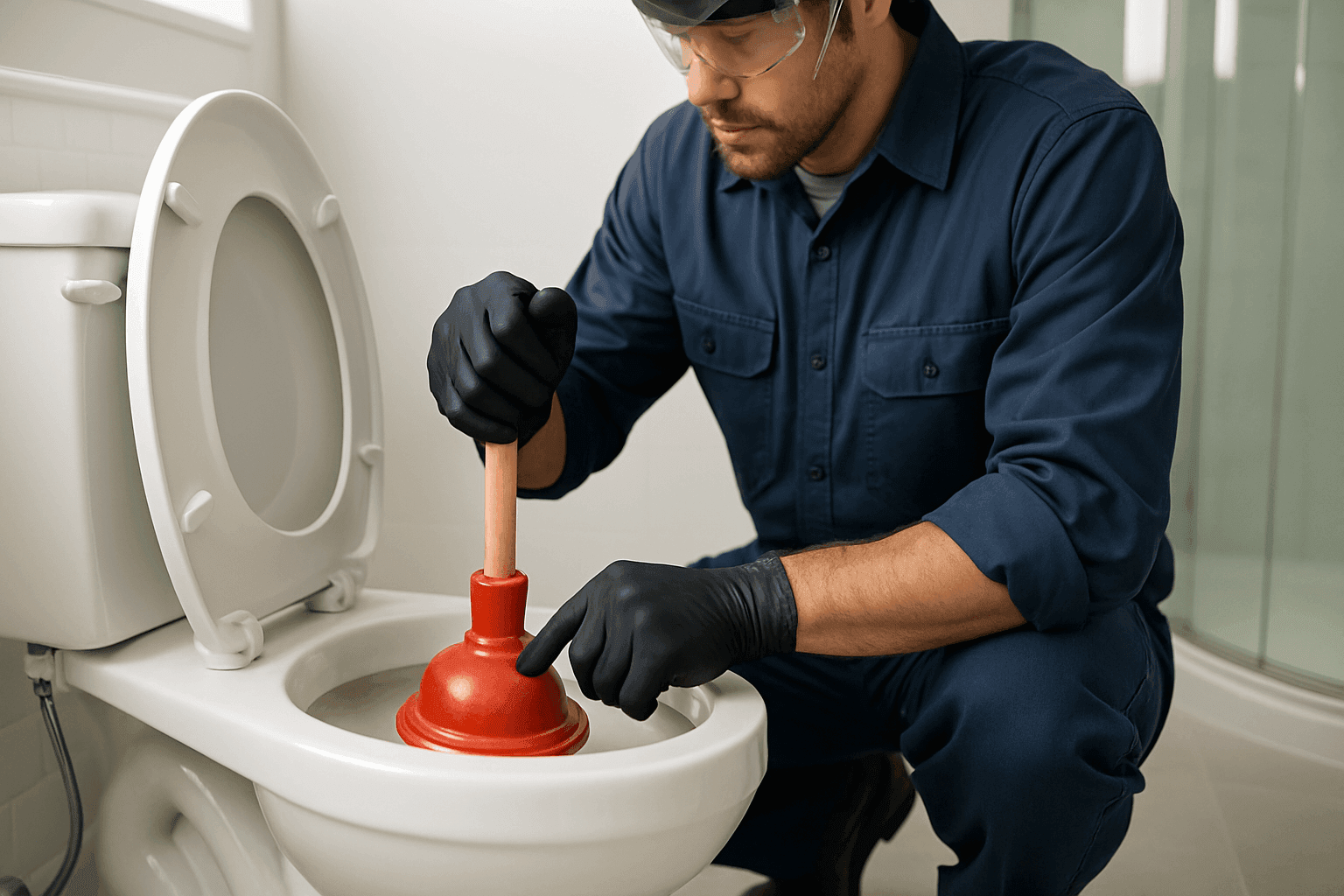
Ever had that heart-stopping moment watching water rise in the toilet bowl, threatening to spill over? You’re not alone. At SDC Plumbing, we know toilet clogs don’t wait for a convenient time. They disrupt homes, businesses, and peace of mind.
Fast action matters. But knowing what to do—and when to call emergency plumbing—can save hours, money, and stress. Let’s break down how to tackle clogs and keep your bathroom safe.
Why Toilets Clog 🚽
Toilets seem simple, but they’re like the traffic circles of your plumbing—everything needs to flow smoothly, or you get a jam.
Common culprits:
- Flushing too much toilet paper at once
- Non-flushables: wipes, paper towels, feminine products, toys (yes, it happens!)
- Hard water buildup narrowing drain pipes
- Low-flow toilets with weak flush
Sometimes, a clog is just a speed bump. Other times, it’s a full roadblock—especially if you have older pipes or tree roots sneaking into sewer lines.
Quick Safety Checklist
Take a breath before you grab the plunger. Safety first:
- Stop the flow: If water rises, remove the tank lid and push down the flapper to halt water entering the bowl.
- Turn off water: Find the shutoff valve behind the toilet and twist clockwise.
- Protect yourself: Gloves are a must. Eye protection if you’re using cleaning products.
- Clear the area: Remove rugs, towels, or personal items that could get wet.
- Ventilate: Open a window or turn on a fan to reduce odors and fumes.
Fast DIY Unclogging Techniques
Ready for action? Here’s how to tackle a clog with confidence:
Plunger Power
The plunger is your best friend in a clog crisis. But technique is everything.
- Pick the right plunger: Use a flange or bell-shaped plunger (not the flat sink type).
- Form a seal: Place the plunger over the hole and press down gently to expel air.
- Plunge with purpose: Push down and pull up sharply, keeping the seal tight. Do this 10–20 times.
- Check the flow: Remove the plunger. If water drains, flush once to test.
Common mistake: Using too much force. It can splash dirty water or even crack the bowl.
Hot Water & Dish Soap
If the plunger isn’t working:
- Pour a cup of dish soap into the toilet. Wait 10 minutes.
- Add a bucket of hot (not boiling) water from waist height.
- Let it sit for 20 minutes, then try plunging again.
Closet Auger (Toilet Snake)
Still stuck? A closet auger can break up deeper clogs. Feed the cable gently, twist, and pull back debris. Avoid using wire hangers or sharp objects—they can scratch porcelain.
When DIY Isn’t Enough
Sometimes, a clog just won’t budge. When should you stop and call for emergency plumbing help?
- Water is backing up into sinks, tubs, or showers.
- You see sewage or dirty water coming from the base of the toilet.
- Repeated plunging does nothing.
- There’s a foul, persistent odor.
- You hear gurgling sounds from other drains.
If you’re reaching for buckets or the mop, it’s time to call SDC Plumbing. Emergency plumbing pros have the tools and experience to keep things safe and sanitary.
What Pros Do On Arrival
Wondering what happens when a plumber shows up for a clogged toilet? Here’s what to expect:
- Inspection: We check the bowl, tank, and surrounding drains for signs of bigger issues.
- Specialty tools: Heavy-duty augers, high-pressure water jets, and inspection cameras if needed.
- Safe cleanup: We follow EPA and local guidelines for waste handling and disinfecting.
- Root cause: Is it a simple blockage, root intrusion, or damaged pipe? We’ll find out.
- Advice: We’ll explain what happened and how to prevent a repeat.
Preventing Clogs in the First Place 🛡️
Keeping your toilet clear is a team effort. Here’s how to avoid emergencies:
- Only flush human waste and toilet paper—nothing else.
- Remind kids and guests what not to flush (signs help!).
- Use less paper per flush.
- Regularly check for slow drains.
- Schedule annual plumbing inspections, especially in older homes or buildings.
According to the International Association of Plumbing and Mechanical Officials (IAPMO), routine maintenance dramatically reduces the risk of sudden blockages.
Costs & Time Factors
No one likes surprises—especially on the bill. Here’s what affects the cost and time of fixing a clogged toilet:
- Severity: Simple clogs take 15–30 minutes. Deeper blockages or sewer line issues may take longer.
- Access: Hard-to-reach pipes, or the need to move fixtures, can increase time.
- Equipment: Specialized tools or camera inspections add to cost.
- Emergency response: Night, weekend, or holiday calls may be billed at higher rates.
Remember, acting quickly can lower costs by preventing water damage or bigger repairs.
When It’s an Emergency
Not sure if your situation counts as an “emergency plumbing” problem? Here’s a quick guide:
- Water is overflowing or flooding an area.
- There’s a risk of sewage exposure.
- You only have one bathroom and it’s not usable.
- The clog is affecting other drains or fixtures.
- Business operations are disrupted.
When in doubt, safe is better than sorry. Plumbing emergencies escalate quickly.
FAQ
What should I do first if my toilet is overflowing?
Immediately stop the water flow by closing the shutoff valve and lifting the tank flapper. Then, assess the situation and start cleanup.
Can I use chemical drain cleaners in my toilet?
It’s not recommended. Many contain corrosive ingredients that can damage pipes and the toilet itself. The Environmental Protection Agency (EPA) advises caution with chemical use in residential plumbing.
Why does my toilet clog frequently?
Frequent clogs can mean too much paper, low water pressure, or underlying pipe issues. Schedule an inspection if the problem keeps returning.
Are flushable wipes really safe?
Despite the label, most “flushable” wipes don’t break down quickly and can cause serious clogs. Stick to toilet paper.
Local & Seasonal Considerations 🌦️
If you live in an area with hard water, mineral buildup can narrow pipes. In colder months, pipes can contract, making blockages more likely. High rainfall can overwhelm older sewer systems, raising the risk of backflow.
For commercial spaces, high-use restrooms and unfamiliar users increase clog risks. Consider preventive maintenance and regular staff reminders.
If you’re staring at a stubborn clog or dealing with a true plumbing emergency, don’t wait. Call SDC Plumbing now — or reach us anytime at 888-218-8797 .