Commercial Plumbing: Key Differences and Compliance Tips
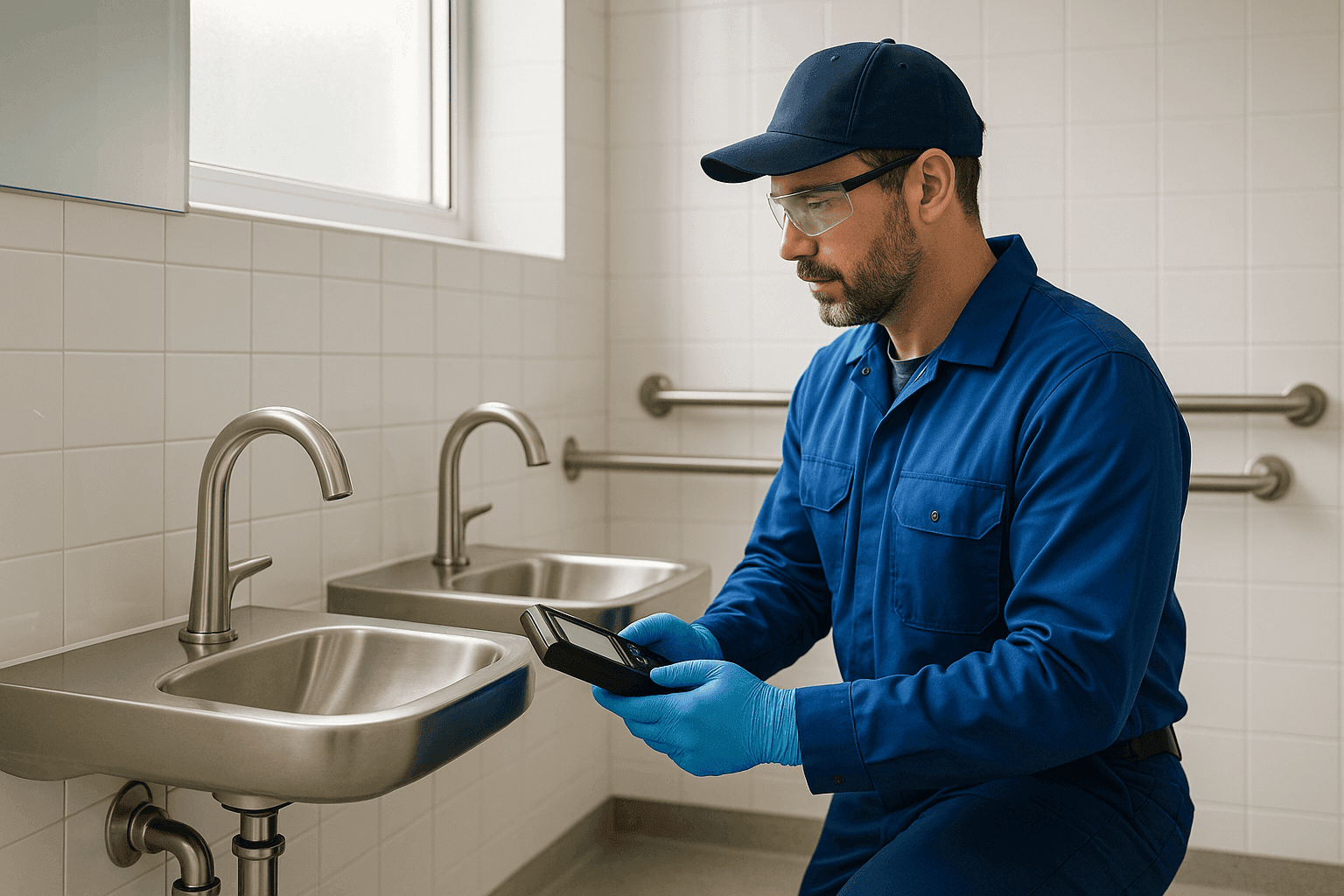
When a pipe bursts in a busy restaurant or an office building’s toilets clog at 8 a.m., stress levels rise fast. Commercial plumbing emergencies can grind business to a halt, costing time, money, and trust. At SDC Plumbing, we understand the stakes.
From small cafés to sprawling warehouses, every commercial property needs plumbing that meets stricter codes, handles higher traffic, and runs like clockwork—even after hours. If you’re responsible for the pipes, fixtures, or safety systems in a business, this guide is for you.
Commercial vs. Residential Systems 🏢
Not all pipes are created equal. The differences between commercial and residential plumbing are like comparing a city street to a country lane.
Fixture Count & Usage
- Commercial buildings use more toilets, sinks, and water heaters. Think: dozens or hundreds of users each day.
- Residential homes are designed for a handful of people, with lighter daily use.
Pipe Size & Material
- Commercial pipes are typically larger, with more durable materials to handle greater flow and pressure.
- You’ll often see copper, steel, or specialized plastics in commercial systems.
Layout Complexity
- Multi-story buildings, restaurants, and hospitals need intricate networks—sometimes spanning floors and zones.
- Maintenance access points are built in for fast emergency plumbing response.
Water Heaters & Pressure
- Commercial water heaters are industrial-strength, sometimes running 24/7.
- Pressure regulators are a must to prevent bursts or leaks.
Code & Compliance
- Commercial properties must follow stricter local and national codes (refer to Uniform Plumbing Code and International Plumbing Code).
- Regular inspections, backflow testing, and maintenance logs are required.
Compliance Requirements: What the Law Demands
Fail a plumbing inspection, and fines—or even temporary shutdowns—can follow. Here’s what business owners need to keep top of mind:
Building Codes
- Codes dictate pipe materials, water heater types, fixture spacing, and drainage.
- Americans with Disabilities Act (ADA) rules apply to restroom access and fixture height.
Health & Safety
- Backflow prevention devices stop contaminated water from mixing with clean water supplies.
- Grease traps are required for commercial kitchens.
- Gas safety checks are critical for any property using gas lines or boilers.
Inspections & Documentation
- Annual or semi-annual inspections by licensed plumbers are often required.
- Keep records of all repairs, maintenance, and compliance checks.
Fire & Emergency Systems
- Sprinkler system tie-ins must meet fire code.
- Emergency shutoff valves should be accessible and clearly marked.
Authoritative reference: National Fire Protection Association (NFPA), Uniform Plumbing Code, International Plumbing Code.
Common Pitfalls: Where Businesses Get Caught
Plumbing citations aren’t just paperwork—they can mean costly downtime or health violations. Here are some common missteps:
- Improper fixture installation. Using residential fixtures in a commercial setting can lead to early failure.
- Skipped maintenance. Small leaks or clogs can spiral into big problems.
- Code violations. Unlicensed repairs or outdated systems are frequent culprits.
- Inadequate backflow prevention. This can contaminate drinking water and lead to fines.
Stay vigilant. Even one missed inspection can cause headaches down the line.
Maintenance Essentials: Keep Your Business Flowing
A burst pipe at midnight? Nobody wants that. Regular maintenance can make emergencies rare.
Preventative Steps
- Schedule quarterly inspections—look for leaks, corrosion, and pressure issues.
- Test backflow devices and sump pumps yearly.
- Clean grease traps and drains as recommended (monthly for busy kitchens).
- Replace worn gaskets, valves, and washers before they fail.
Create a Maintenance Log
- Track all repairs, checks, and replacements.
- Use this log during inspections to show compliance.
Emergency Plumbing Kit
- Stock plunger, pipe wrench, and plumbing tape onsite.
- Know the location of main shutoff valves.
Fixture Differences: Why It Matters
Commercial restrooms use high-efficiency, vandal-resistant fixtures. Sinks and toilets are built for frequent use and easy cleaning. In kitchens, foot pedal faucets and heavy-duty disposals are standard. Never substitute residential fixtures—they just can't keep up.
High-Volume Usage: The Hidden Strain
Every flush, hand wash, or dishwasher cycle wears on your system. Hotels, gyms, and restaurants can see thousands of gallons flow through daily. Pipes must be sized for peak demand, and water heaters need the stamina to deliver hot water on call.
Ignoring high usage? That’s like running a marathon in flip-flops.
Trust Licensed Commercial Pros 🛠️
When it comes to repairs or upgrades, always hire licensed commercial plumbers. They know the codes, understand the demands, and can spot issues before they become emergencies. SDC Plumbing’s team is trained for both residential and commercial work—so you’re covered no matter your property type.
Inspection Checklists
- Verify all fixtures and drains are code-compliant.
- Check emergency shutoff locations.
- Test water pressure at every level.
- Review maintenance logs for gaps.
Avoiding Citations: Real-World Tips
- Always schedule annual backflow and safety tests.
- Never ignore minor leaks or slow drains.
- Train staff to spot early signs of trouble (unusual noises, slow flushing, damp walls).
- Update fixtures and pipes if your property is older than 15 years—codes change.
FAQ: Common Commercial Plumbing Questions
What’s the top reason businesses get cited?
Unlicensed repairs and skipped inspections. Always use a licensed plumber and keep records.
How often should drains be cleaned?
For high-use locations (restaurants, schools), monthly is best. Otherwise, at least every quarter.
What’s the difference between emergency plumbing for homes and businesses?
Commercial emergencies often impact more people and can involve complex systems, making fast, skilled response vital.
Can I do minor repairs myself?
You can handle simple fixes like plunging a toilet, but anything involving gas lines, water heaters, or code compliance should be left to pros.
Local and Seasonal Considerations
- In colder climates, insulate exposed pipes to prevent freezing.
- Older buildings may need lead pipe checks and upgrades.
- Heavy rains? Make sure sump pumps and drainage systems are ready.
Final Word: Stay Proactive
Commercial plumbing is a marathon, not a sprint. Regular maintenance, code compliance, and fast emergency plumbing response can mean the difference between smooth operations and costly shutdowns. Don’t wait for a small drip to become a big headache.
Call SDC Plumbing now — or reach us anytime at 888-218-8797 .