How to Detect and Fix Hidden Plumbing Leaks Before They Cause Damage
Have you ever noticed a mysterious spike in your water bill? Or maybe you’ve caught a whiff of something musty in the hallway, but can’t quite place where it’s coming from. You’re not alone. Hidden plumbing leaks are silent troublemakers, quietly damaging homes and businesses when nobody’s looking.
At SDC Plumbing, we see it all the time. A small drip behind a wall can turn into a major headache—fast. The good news? With a little know-how, you can spot the warning signs early and take action before disaster strikes.
Why Hidden Leaks Are a Big Deal
A hidden leak is like a slow leak in your car tire. It’s easy to ignore—until you’re stranded. Water, left unchecked, finds its way into the places you least want it: behind walls, under floors, and into the foundation. The result? Mold, warped wood, stained ceilings, and sometimes thousands in repairs.
Ignoring leaks isn’t just risky for your property. It can also affect your health. Mold and mildew love moist, hidden spaces. According to the U.S. Environmental Protection Agency (EPA), exposure to mold can trigger allergies, asthma, and other respiratory issues.
Quick Safety Checklist 🛑
Before you start poking around, keep these safety tips in mind:
- Shut off electricity if you see water near outlets or wiring.
- Wear gloves and a mask if you spot mold or mildew.
- Turn off the main water supply if you find an active leak.
- Use a flashlight for dark corners under sinks or in basements.
- Don’t open up walls unless you’re sure there are no electrical wires or gas lines.
Safety first. If you’re unsure, it’s always okay to pause and call a pro.
Signs You Might Have a Hidden Leak
Leaks don’t always announce themselves with puddles. Here’s what to watch for:
- Sudden, unexplained increases in your water bill.
- Damp, musty smells that hang around.
- Stains or bubbling paint on walls or ceilings.
- Warped or sagging floors.
- Mold or mildew patches where you wouldn’t expect them.
- The sound of running or dripping water when everything’s off.
Think of these as your plumbing’s way of whispering for help.
Step-by-Step: How to Check for Hidden Leaks
You don’t need fancy tools to start investigating. Here’s a simple routine:
1. Check Your Water Meter
- Turn off all water-using appliances and faucets.
- Find your water meter (usually outside or in the basement).
- Note the reading. Wait two hours without using water.
- If the number changes, you likely have a leak.
2. Inspect Common Trouble Spots
- Under sinks: Look for water stains, corrosion, or dampness.
- Around toilets and tubs: Check for soft flooring, loose tiles, or mildew.
- Behind appliances: Move washing machines and dishwashers to look for drips or puddles.
- Walls and ceilings: Watch for discoloration, peeling paint, or bulges.
3. Listen Closely
At night, when the house is quiet, listen for the faint sound of dripping or running water inside walls or floors.
4. Use Your Nose
A musty or earthy smell can mean water is hiding where it shouldn’t be.
DIY or Call a Pro? Knowing Your Limits
Some leaks are easy to spot and fix. Tightening a loose fitting or replacing a washer can be a simple DIY. But when water is sneaking through walls, ceilings, or under floors, it’s time to call SDC Plumbing.
DIY is okay if:
- The source is visible and accessible.
- The leak is small (like a dripping faucet or exposed pipe).
Call a professional if:
- You can’t find the source.
- There’s water near electrical wiring.
- You see mold, warped wood, or structural damage.
- The leak keeps coming back.
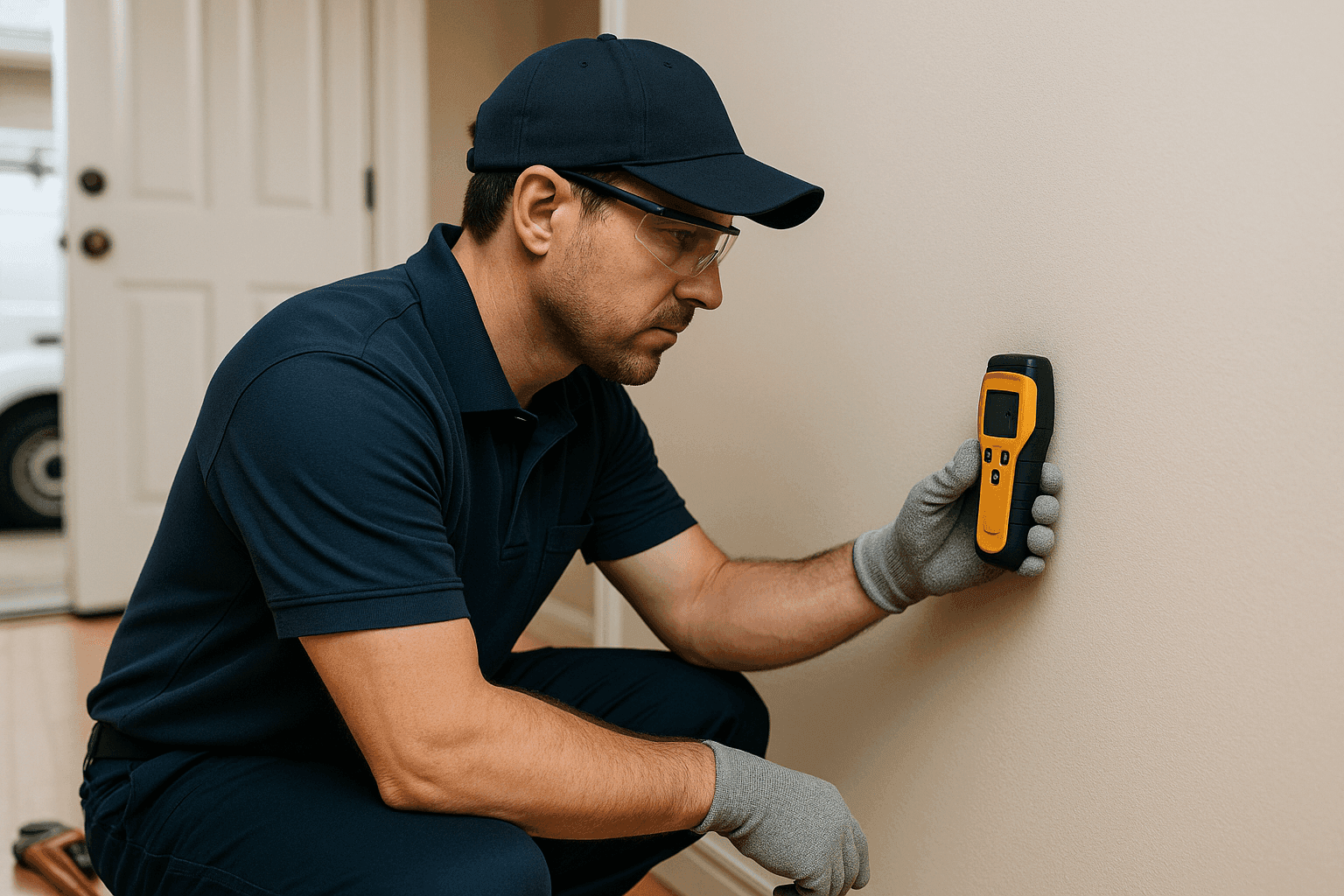
We use advanced tools like moisture meters, thermal imaging, and acoustic sensors—think of them as a plumber’s detective kit.
What Happens When a Plumber Arrives
When you call SDC Plumbing for emergency plumbing or leak detection, here’s what you can expect:
1. Thorough Inspection
We’ll ask about your observations, check your water meter, and inspect all visible plumbing.
2. High-Tech Leak Detection
Using moisture meters and thermal cameras, we can “see” moisture behind walls and under floors—without tearing open your home.
3. Pinpoint the Problem
Once we find the source, we’ll explain what’s going on and outline your options for repair.
4. Professional Repair
From pipe repair to replacing damaged drywall, our team handles it all, following building codes and safety guidelines from organizations like the International Association of Plumbing and Mechanical Officials (IAPMO).
5. Preventative Advice
We’ll share tips to help you avoid future leaks and keep your plumbing in top shape.
How Hidden Leaks Cause Damage
A slow leak can erode more than just your patience. Here’s what’s at risk:
- Structural damage: Wood rot, crumbling drywall, and foundation cracks.
- Mold and mildew: Spores can spread through the air, causing health issues.
- Electrical hazards: Water and wiring are a dangerous mix.
- Higher bills: Even a small leak can waste thousands of gallons a year, according to the EPA.
Simple Ways to Prevent Hidden Leaks
An ounce of prevention is worth a pound of drywall. Here’s how to stay ahead:
- Check under sinks and around appliances monthly.
- Watch your water bill for sudden changes.
- Don’t ignore small drips—they rarely fix themselves.
- Schedule annual plumbing inspections.
- Install water alarms near hot water heaters and sump pumps.
- Insulate pipes to prevent freezing and bursting during cold snaps.
- Replace old hoses on washing machines and dishwashers every few years.
Cost and Time Factors
The cost to find and fix a hidden leak can vary widely. Simple fixes (like a loose fitting) might take under an hour. More complex jobs—like repairing pipes inside walls—can take several hours and require some wall or floor repair afterward.
Factors that affect cost and time include:
- The location and accessibility of the leak.
- The amount of damage already done.
- The materials involved (copper, PVC, PEX, etc.).
- Whether mold remediation or structural repairs are needed.
Emergency plumbing calls may cost more, especially after hours. But catching a leak early is almost always less expensive than waiting until the damage spreads.
When It’s an Emergency 🚨
Some leaks can’t wait. Call SDC Plumbing immediately if:
- Water is flooding your home or business.
- You see water near electrical panels or outlets.
- There’s a strong smell of gas (leave the building and call emergency services first).
- Sewage is backing up into sinks, tubs, or toilets.
Fast action can make all the difference between a quick fix and a major renovation.
FAQ: Hidden Plumbing Leaks
How can I tell if a leak is inside a wall?
Look for stains, bulges, or peeling paint. If you hear dripping or running water with no visible source, it could be inside the wall.
Can small leaks really cause mold?
Yes. Even a tiny, slow leak can create enough moisture for mold to thrive, especially in dark, hidden spaces.
What’s the most common cause of hidden leaks?
Worn-out pipe joints and loose fittings are frequent culprits. Corrosion, high water pressure, and shifting foundations can also lead to leaks.
Is it safe to open up a wall to find a leak myself?
It’s best to leave this to professionals. There may be electrical wires, gas lines, or other hazards behind the wall.
Special Considerations for Leak Detection and Repair
- Older plumbing systems may use materials that are more prone to corrosion.
- Businesses should schedule regular inspections to protect inventory and equipment.
- Basements and crawl spaces are especially vulnerable—check them often.
- Water filtration systems and backflow prevention devices should be inspected to ensure they’re not contributing to leaks or water pressure issues.
- Always follow plumbing codes and safety standards, such as those from the International Plumbing Code (IPC).
Final Thoughts
Hidden plumbing leaks are like termites—they do their worst work out of sight. But with a watchful eye and regular maintenance, you can keep your home or business safe, dry, and healthy.
If you suspect a leak, don’t wait for water stains to appear. The sooner you act, the less damage you’ll face.
Call SDC Plumbing now — or reach us anytime at 888-218-8797 .