Drain Cleaning Myths Busted: Safe and Effective DIY & Pro Methods
Are your drains acting up again? The kitchen sink’s slow, the shower’s a swamp, and you’re left wondering—should you grab that bottle of drain cleaner… or call for emergency plumbing help?
At SDC Plumbing, we’ve seen it all. From hairballs the size of small animals to coffee grounds that could fill a sandbox. We get the panic when water rises and won’t go down. Let’s clear the air—and your drains—by busting the biggest myths about drain cleaning.
Common Drain Cleaning Myths 🛑
Some myths stick around like old chewing gum. Here are the big ones we hear every week:
-
“Chemical drain cleaners are the fastest fix.”
They’re fast, all right. Fast at eating through your pipes as well as the clog. -
“If it fits, flush it!”
Nope. Toothpaste caps, wipes, and even flushable wipes are secret clog starters. -
“A little water pressure will clear anything.”
Not so. Too much pressure can burst pipes or send clogs deeper. -
“All slow drains mean a clog.”
Sometimes it’s venting, not blockage. Or a sign of a bigger issue down the line. -
“I can fix any clog with a plunger.”
Plungers help, but deep, stubborn clogs often need pro tools.
Don’t let these myths cost you a fortune in repairs or water damage. Some “quick fixes” turn into plumbing nightmares.
The Dangers of Chemical Drain Cleaners
It’s tempting. You see a commercial. You pour a bottle down the drain. The fizzing and gurgling feel promising. But here’s the truth:
- Corrosive ingredients: Most store-bought drain cleaners use chemicals like lye or sulfuric acid. These eat away not just at clogs, but also at your pipes—especially older ones made from copper or galvanized steel.
- Voided warranties: Many plumbing manufacturers warn that chemical cleaners void warranties on fixtures and piping.
- Toxic fumes: These can harm your family, pets, and the environment. According to the EPA, chemical drain openers are hazardous household waste.
- Short-term fix, long-term damage: The clog may seem gone, but residue can build up, making future clogs more frequent—and more stubborn.
Think of chemical cleaners like pouring acid on a garden weed. Sure, the weed dies. But so does your grass, your flowers, and maybe even your soil.
Safe DIY Methods for Clearing Drains
You don’t need a chemistry degree—or a hazmat suit—to try safer methods first. Here are proven, EPA-safe ways to tackle small clogs:
The Plunger: Old-School, Still Golden
- Use a cup plunger for sinks or tubs.
- Make sure there’s enough water to cover the plunger’s cup.
- Create a tight seal and plunge in short, sharp bursts.
Baking Soda & Vinegar: Science Fair Magic
- Pour half a cup of baking soda into the drain.
- Add one cup of white vinegar.
- Cover the drain for 10 minutes.
- Flush with hot (not boiling) water.
Note: This works best for grease or soap buildup—not for solid obstructions like hair or foreign objects.
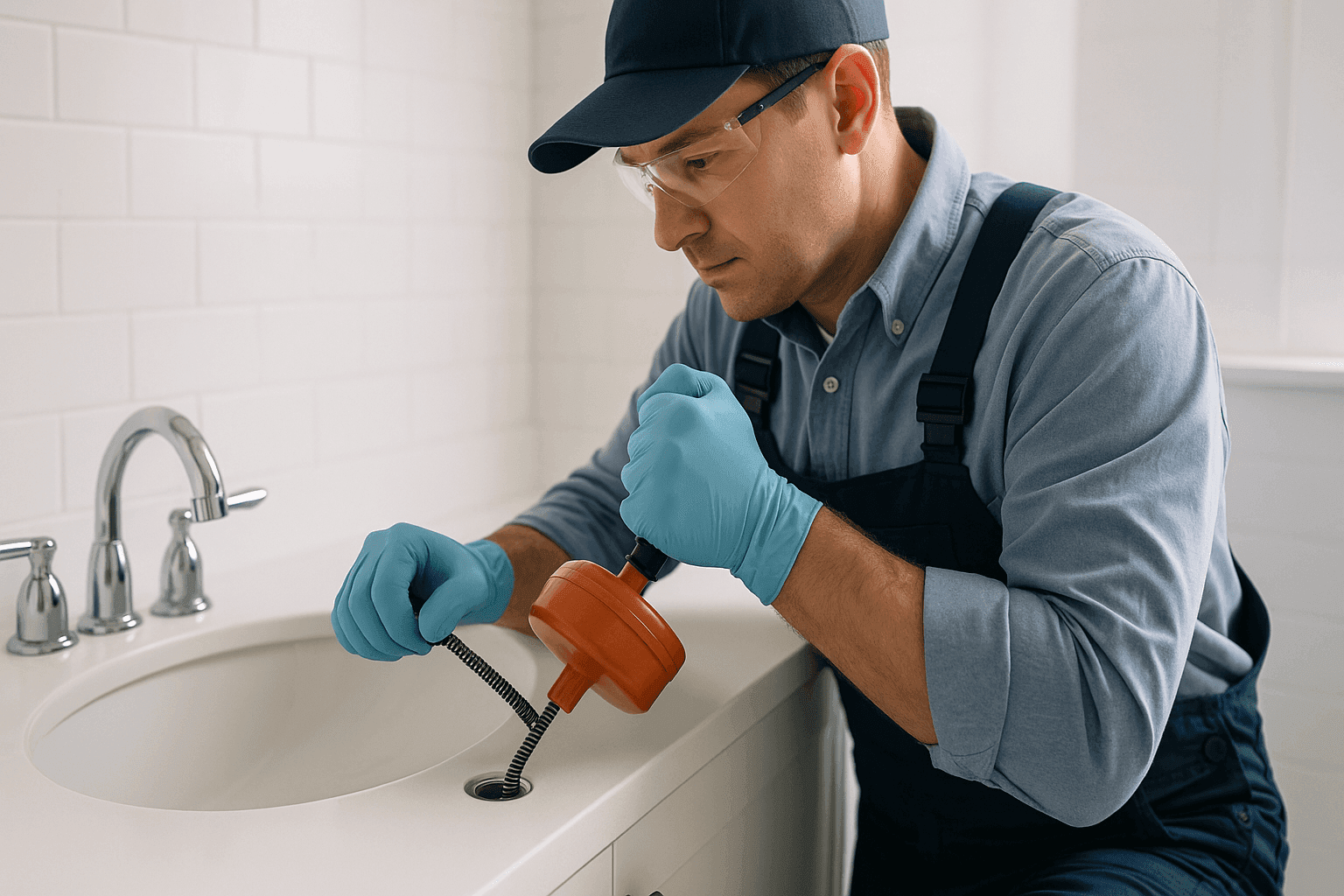
Drain Snake or Zip-It Tool: The “Fishing Line” for Clogs
- Insert the flexible tool into the drain.
- Twist and pull gently.
- You’ll be shocked what comes out—hair, gunk, even lost jewelry.
Hot Water Flush
- Heat a kettle (not to boiling).
- Pour slowly down the drain.
- Useful for grease or soap scum, but not for plastics or big blockages.
Pro Tip: Always wear gloves and eye protection when working on drains. Don’t use boiling water on PVC pipes—it can warp or melt them.
When to Call a Pro
Some problems are like icebergs: most of the danger lurks out of sight. Call SDC Plumbing if:
- Water backs up in multiple drains at once (could mean a main line issue)
- You smell sewage or rotten eggs (sign of a broken sewer line or gas leak)
- DIY methods fail, or the clog returns quickly
- You hear gurgling or see bubbling in toilets or sinks
- Water leaks from pipes or fixtures
We use professional tools like high-definition sewer cameras, commercial-grade augers, and EPA-approved hydro jetters. These get deep inside pipes—without the danger of chemicals.
Real Story: Before & After
A local restaurant called us at 1 AM—the kitchen sinks were overflowing. Staff had tried every cleaner on the shelf. We used a video scope and found a grease plug the size of a football. One hydro jet session later, the water flowed like new. No chemicals, no pipe damage, and the business opened for breakfast as usual.
Preventing Future Clogs 🛡️
The best drain is a happy, flowing drain. Here’s how to keep yours that way:
- Use drain screens in sinks, showers, and tubs to catch hair and food bits.
- Scrape plates before washing; avoid sending grease or coffee grounds down the kitchen drain.
- Run hot water after every use to help flush away residue.
- Flush only toilet paper—even “flushable” wipes can tangle and clog.
- Schedule annual sewer line inspections, especially for older homes or high-traffic businesses.
For commercial kitchens or multi-unit buildings, regular preventative maintenance is a must. It’s like changing the oil in your car—small investment, big payoff.
EPA-Safe Solutions and Code References
We follow guidelines from the EPA and local building codes. Mechanical cleaning (snaking, jetting) is always preferred over chemicals. The International Plumbing Code (IPC) and Uniform Plumbing Code (UPC) both advise against the routine use of chemical drain cleaners due to safety and long-term risks. Always check your local regulations if you’re unsure.
Costs and Time Factors
Every clog is different. Some are a quick fix—others take time. Here’s what to expect:
- DIY fixes: Can take 15–45 minutes and cost under $20 for basic tools.
- Professional drain cleaning: Usually takes 30–90 minutes, depending on clog severity and pipe access.
- Complex jobs (tree roots, collapsed pipes): May take several hours, especially if excavation or pipe replacement is needed.
Repairs are always more expensive than prevention. It’s like fixing a roof leak before it floods the whole house.
When It’s an Emergency
Some drain problems can’t wait:
- Flooding in your home or business
- Sewage backing up into sinks, tubs, or toilets
- Gas smells near drains or plumbing fixtures
- Total loss of water flow (all drains blocked)
These are true emergencies. Don’t risk water or structural damage. SDC Plumbing’s emergency plumbing services are available 24/7. We handle urgent calls with fast, safe, and code-compliant solutions.
Frequently Asked Questions
Q: Is it ever okay to use chemical drain cleaners?
A: For minor slow drains in metal pipes, very rarely—but we strongly advise against it due to damage risks.
Q: Why does my drain keep clogging?
A: Repeated clogs often mean buildup deep in the line, improper use (like flushing wipes), or problems with the main sewer line.
Q: What’s the safest DIY method?
A: Start with a plunger, then try a drain snake or hot water flush. Avoid chemicals.
Q: Are your methods safe for kids and pets?
A: Yes. We use mechanical and EPA-approved solutions that leave no toxic residue.
Local and Seasonal Considerations 🌦️
Cold winters can freeze pipes and slow drains. Heavy rains may overwhelm sewer lines, especially in older neighborhoods. If you live in an area with hard water, mineral buildup can add to blockages. For both homes and businesses, seasonal preventative maintenance keeps surprises away—no matter the weather.
A slow drain shouldn’t ruin your day—or your pipes. SDC Plumbing is here for all your emergency plumbing, Water Heater Repair near you, and drain cleaning needs.
Call SDC Plumbing now — or reach us anytime at 888-218-8797 .