Garbage Disposal Problems: DIY Fixes and When to Replace
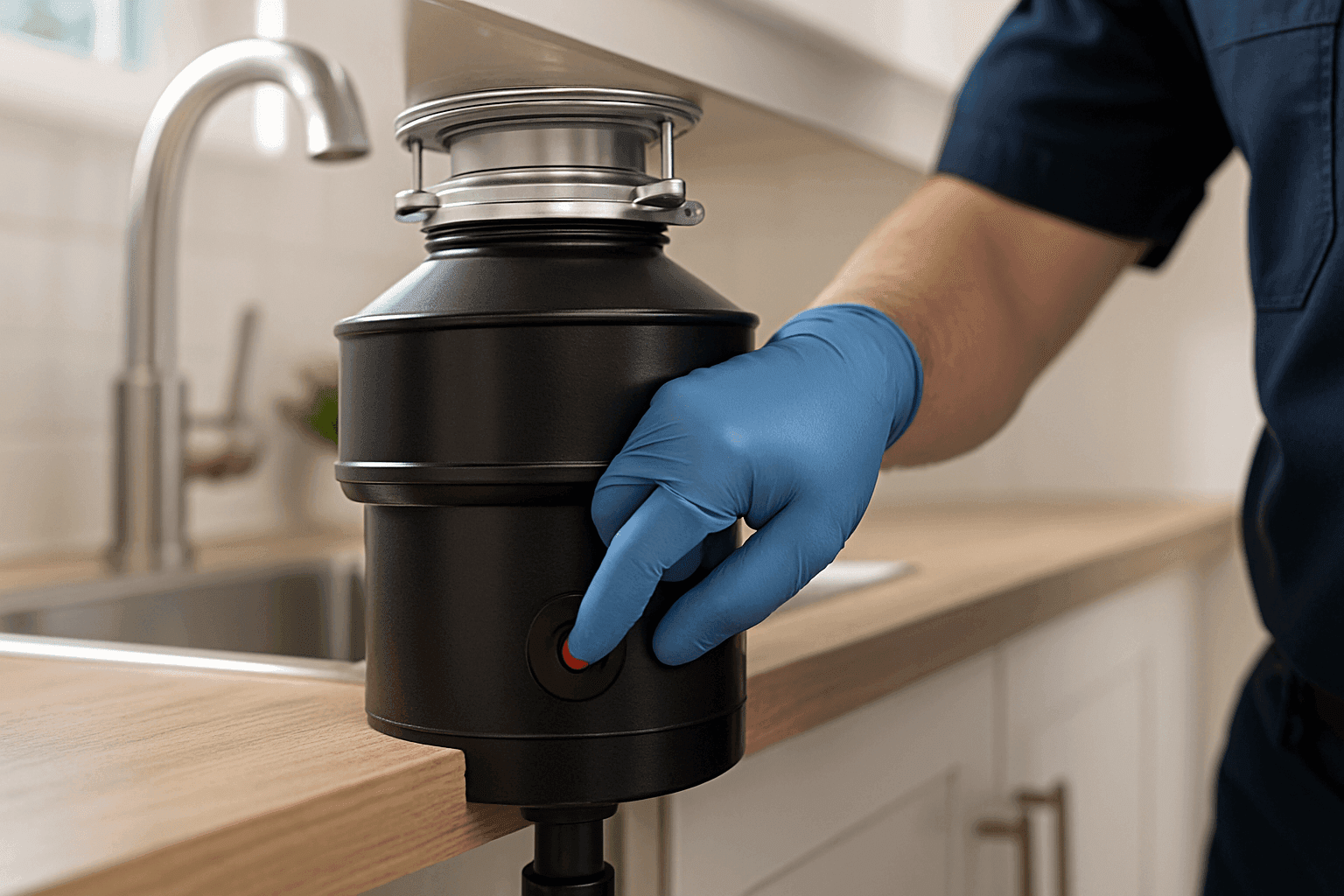
Is your garbage disposal making a sound like it swallowed a fork? Or maybe it just hums, refusing to spin. A clogged or jammed disposal stops kitchen cleanup in its tracks. It’s more than an inconvenience—it can turn into a plumbing emergency if left unchecked.
At SDC Plumbing, we know how quickly a simple disposal glitch can spiral. Whether you’re a homeowner or manage a busy office kitchen, we’re here to help you stay safe, avoid messes, and know when to tackle repairs yourself—or when to call in emergency plumbing pros.
Common Disposal Issues
Garbage disposals are tough, but not invincible. Like a kitchen bouncer, they deal with all sorts of scraps. Sometimes, though, they bite off more than they can chew:
- Jams: Silverware, bones, or fibrous veggies (think celery) can stop the blades cold.
- Clogs: Grease, eggshells, and coffee grounds stick together like old gum under a desk.
- Leaks: Worn-out seals or loose connections drip into the cabinet below.
- No Power: A tripped circuit or overloaded motor halts everything.
- Strange noises: Grinding, rattling, or humming can signal trouble.
Even a small issue can lead to bigger headaches—like backed-up sinks or water damage. That’s why it’s vital to spot and solve these problems quickly.
Safe DIY Fixes 🛠️
Before you reach for tools, remember: a garbage disposal isn’t just another kitchen gadget. Treat it with respect, like you would a power saw. Here’s how to safely attempt a fix:
Quick Safety Checklist
- Unplug or turn off power: Always disconnect power at the wall or fuse box before touching the disposal.
- Never put your hand inside: Use pliers or a wooden spoon to remove objects.
- Keep water off electrical parts: Dry your hands and area before working.
Jam Removal Steps
- Turn off power. Safety first, always.
- Look inside with a flashlight. Remove visible objects with tongs or pliers.
- Find the hex hole. Underneath the disposal, there’s a small slot for an Allen wrench (usually 1/4 inch). Insert the wrench and turn back and forth to free the blades.
- Use the reset button. Press the red reset button on the bottom of the unit. This can fix many no-power situations.
- Restore power and test. Run cold water and flip the switch. Listen for normal operation.
If nothing happens, or you smell something burning, stop and call for help.
Signs It’s Time to Replace
Like shoes or smoke alarms, disposals don’t last forever. Here’s when replacement makes more sense than repair:
- Frequent resets: If you’re hitting the reset button more often than the light switch, the motor may be failing.
- Persistent leaks: Cracks in the body or housing aren’t fixable.
- Constant clogs: Older units or dull blades can’t keep up.
- Strange odors: Funky smells that linger even after cleaning can mean trapped food or bacteria.
- No power, no hum: If there’s silence and no sign of life, the motor may be cooked.
Modern disposals are safer, quieter, and more efficient. Upgrading can also help prevent future plumbing emergencies.
Installation Options
When it’s time for a new disposal, you have choices:
- Standard disposals: These are the most common and fit most sinks.
- Batch-feed models: Safer for families, as they only run with a lid in place.
- High-horsepower units: Better for high-use kitchens or small offices.
At SDC Plumbing, we install and replace all models. We also ensure safe, code-compliant connections—so you don’t risk leaks, shocks, or improper drainage. Whenever possible, we recycle old disposals responsibly, keeping metals and plastics out of landfills.
Prevention and Maintenance Tips 🧼
A little care goes a long way. Picture your disposal like a trusty car: regular checkups keep it running smoothly.
- Run cold water before, during, and after use.
- Avoid grease, bones, and fibrous foods.
- Grind citrus peels occasionally for a fresh scent.
- Clean with baking soda and vinegar, not harsh chemicals.
- Schedule professional inspections, especially if you notice slow drains or leaks.
Check with your local health department or follow EPA guidelines for safe food disposal and recycling.
When to Call an Emergency Plumber
Some situations can’t wait:
- Flooding under the sink.
- Electrical smells or sparks.
- Overflowing sinks despite attempts to clear the clog.
- Multiple drains backing up at the same time.
If any of these happen, shut off water and power, then call SDC Plumbing. We’re available for emergency plumbing 24/7.
FAQ
Why does my garbage disposal keep tripping the reset?
Frequent resets mean the motor’s straining or overheating. Overloading, stuck objects, or old age could be the culprit.
Can I use chemical drain cleaners in my disposal?
It’s best not to. Chemicals can corrode parts and pipes. Try a plunger, baking soda, or call a pro.
How often should I replace my disposal?
Most last 8–12 years. If you’re seeing leaks, clogs, or repeated resets, it may be time.
What can I safely put down the disposal?
Most soft foods, but avoid grease, bones, pits, and starchy items like potato peels.
Local and Seasonal Considerations 🌦️
If you live where winter pipes freeze, always let the water run a bit longer after using the disposal. In older homes or commercial kitchens, schedule regular maintenance to avoid sudden breakdowns or code violations.
Final Thoughts
A broken garbage disposal can grind your kitchen to a halt. Sometimes, a simple fix is all it takes. Other times, replacement is safer and smarter. Either way, your safety matters—never risk injury or electrical shock.
If you’re unsure, or facing a true plumbing emergency, SDC Plumbing is here to help day or night.
Call SDC Plumbing now — or reach us anytime at 888-218-8797 .