Signs of Hidden Plumbing Leaks in Walls and Ceilings
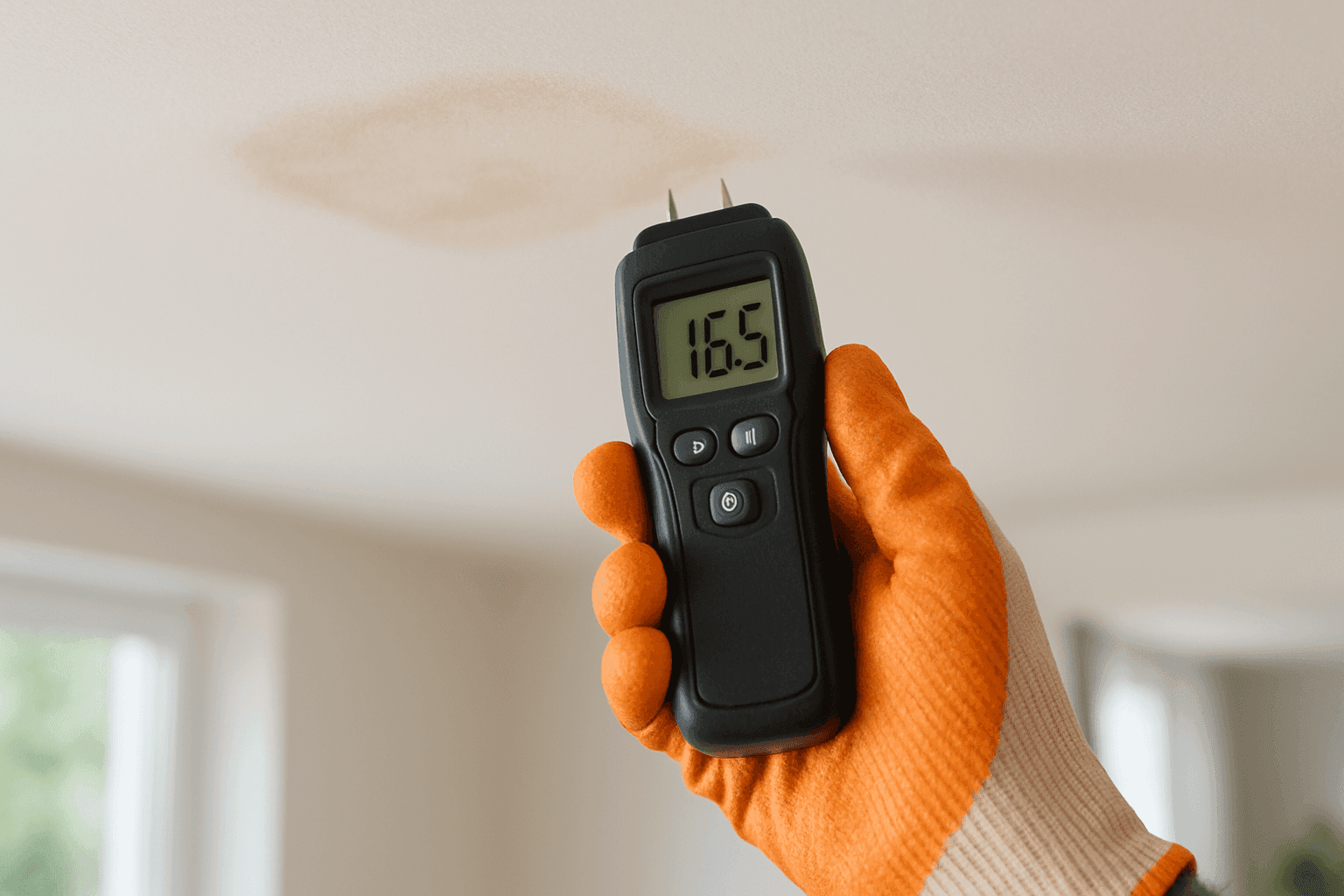
Every home or business has pipes snaking behind walls, silent and out of sight—until trouble sneaks up. A small drip can quietly turn into a big, expensive problem. That’s why catching leaks early matters.
At SDC Plumbing, we understand how hidden leaks can disrupt your life. We’ve helped families and business owners through soggy ceilings, warped floors, and mysterious musty smells. Let’s break down how to spot trouble, what to do, and how to keep plumbing issues from becoming emergencies.
Why Hidden Leaks Happen 🕳️
Water doesn’t ask permission to travel. It finds the easiest path—often behind your walls or above your ceiling tiles. Most hidden leaks start with:
- Aging water pipes or corroded joints
- Poor initial installation or rushed repairs
- Shifts in your building’s foundation
- Temperature swings causing pipes to expand and contract
- Accidental damage from nails or screws
- High water pressure straining old pipes
Picture your plumbing like a network of veins. If one develops a tear, water seeps out quietly, soaking insulation and wood before you see a single drop.
Warning Signs in Walls and Ceilings
Hidden leaks rarely shout for attention. Instead, they whisper. Here’s what to watch for:
- Yellow or brown stains: Look for discolored patches on ceilings or high on the walls.
- Peeling or bubbling paint: Moisture behind a surface causes paint to lift or wallpaper to wrinkle.
- Sagging drywall: Wet sheetrock becomes heavy and starts to droop.
- Unexplained musty odors: A damp, earthy smell that cleaning can’t erase is a major red flag.
- Visible mold or mildew: Black, green, or white patches spreading along corners or behind furniture.
- Sudden spike in water bills: If your usage hasn’t changed but your costs have soared, unseen leaks could be the culprit.
- Warm spots: If the floor or wall feels oddly warm, it could be a hot water line leaking.
Think of these as your home’s way of sending out an SOS.
Moisture & Mold: Invisible Invaders
Moisture loves to hide. And where there’s moisture, mold soon follows. Mold grows fast—within 24-48 hours according to the Centers for Disease Control and Prevention (CDC). Mold isn’t just ugly. It’s a health hazard, especially for people with asthma or allergies.
Common places mold shows up from hidden leaks:
- Behind baseboards
- Under carpet padding
- Inside closets or cabinets
- On ceilings, especially in corners
If you smell something musty but don’t see any stains, trust your nose. It often knows before your eyes do.
Detection Methods
How do you find a leak you can’t see? The right tools and know-how make all the difference.
- Moisture meters: These devices measure how wet a wall or ceiling is, even if it looks dry.
- Infrared cameras: These “see” temperature differences, revealing cold, wet spots behind surfaces.
- Acoustic sensors: Specialized microphones can pick up the faint sound of water escaping pipes.
- Thermal imaging: Helps identify leaks behind tile, plaster, or finished surfaces without tearing anything open.
At SDC Plumbing, we use advanced detection gear to pinpoint leaks fast—saving you money and mess.
Repair Options
Once you’ve found the leak, what’s next? Repairs depend on the location and severity.
- Spot repairs: If the leak is small and accessible, we’ll cut out the damaged section and patch it up.
- Repiping: For older homes with corroded pipes, replacing a section or even a whole run might be safer.
- Drywall and paint restoration: After plumbing repairs, affected areas need to dry out and get restored.
- Mold remediation: If mold has moved in, professional cleaning ensures it’s safely removed.
Remember: the longer water sits, the more damage it does. Fast action prevents bigger headaches down the line.
Quick Safety Checklist
Before you start poking around, stay safe:
- Turn off water to the affected area if possible.
- Avoid standing water near outlets or electrical panels.
- Wear gloves and a mask when checking for mold.
- Don’t try to open up walls unless you’re sure there are no electrical wires inside.
- Call emergency plumbing if water is actively pouring or flooding.
Safety first. Always.
DIY vs. Call a Pro
Not every leak needs a pro, but many do. Here’s a quick breakdown:
DIY is fine if:
- The leak is from a visible pipe under a sink.
- You’re comfortable shutting off water valves and using basic tools.
- There’s no sign of mold or structural damage.
Call SDC Plumbing if:
- The leak is behind walls or above ceilings.
- You see stains, sagging drywall, or smell musty odors.
- Water is coming from multiple places, or you can’t find the source.
- Mold is visible or suspected.
- You run a business and need minimal downtime.
Remember, emergency plumbing teams like ours arrive with the best tools—and insurance support if things get complicated.
What Pros Do On Arrival
Here’s what you can expect when SDC Plumbing comes to your door:
- Assessment: We listen to your concerns, check visible signs, and ask about any recent work or changes.
- Advanced leak detection: Using moisture meters, thermal imaging, and acoustic sensors, we zero in on the leak without unnecessary demolition.
- Damage inspection: We look for hidden mold, rot, and electrical hazards.
- Repair plan: We explain your options clearly—no jargon, just the facts.
- Documentation: We provide photos and notes for insurance claims if needed.
- Cleanup and restoration: We don’t leave until your space is safe and dry.
Our goal? Find the leak, fix it fast, and help you get back to normal.
Prevention & Maintenance
The best leak is the one that never happens. Here’s how to stack the odds in your favor:
- Inspect visible pipes yearly for corrosion or moisture.
- Install water alarms under sinks and near water heaters.
- Schedule regular maintenance for water heaters, boilers, and sump pumps.
- Test your water pressure—high pressure wears out pipes fast.
- Ask for a plumbing inspection if you notice any warning signs.
- Ensure your building meets local plumbing code requirements.
Following guidelines from the International Association of Plumbing and Mechanical Officials (IAPMO) helps keep your system up to date and safe.
Costs & Time Factors
Hidden leaks can be sneaky, but repairs don’t have to break the bank. Costs depend on:
- Location of the leak (inside wall, ceiling, crawl space)
- Extent of water damage
- Need for mold remediation or restoration
- Type of pipe (copper, PEX, PVC, or galvanized)
- Time of day (emergency plumbing calls after hours may cost more)
Smaller repairs may take just a few hours. More complex jobs—like extensive repiping or mold cleanup—can stretch to a few days. Acting fast always saves money in the long run.
When It’s an Emergency
Some leaks just can’t wait. Call emergency plumbing if:
- Water is actively pouring from the ceiling or wall.
- Electrical outlets or panels are wet.
- Ceilings are sagging or threatening to collapse.
- Mold is spreading fast, especially in commercial spaces.
In these cases, quick action keeps people safe and limits damage.
FAQ
How do I know if I have a hidden leak or just condensation?
Condensation usually forms on cold surfaces and doesn’t leave stains or odors. Hidden leaks often show up as persistent stains, bubbling paint, or musty smells that don’t go away with cleaning.
Can I use a moisture meter myself?
Yes, hardware stores sell moisture meters. But interpreting results and finding the true source of moisture is tricky without experience.
What should I do if I see mold?
Stop using water in the affected area and avoid disturbing the mold. Call a professional for safe removal and to fix the leak.
Does insurance cover hidden leaks?
Many policies cover sudden, accidental leaks. Long-term damage from neglected leaks may not be covered. We can help document the issue for your claim.
Local/Seasonal Considerations
Seasonal changes can stress your plumbing:
- Winter: Pipes in exterior walls may freeze and burst.
- Spring: Thawing can reveal leaks from ice damage.
- Storms: Heavy rain might seep into basements or overwhelm sump pumps.
If you live in an area with extreme temps or older buildings, regular checks are even more important.
If you notice any signs of leaks—stains, smells, or sudden water bills—don’t wait for the problem to grow. Call SDC Plumbing now — or reach us anytime at 888-218-8797 .