How to Safely Shut Off Your Home’s Water Supply in an Emergency
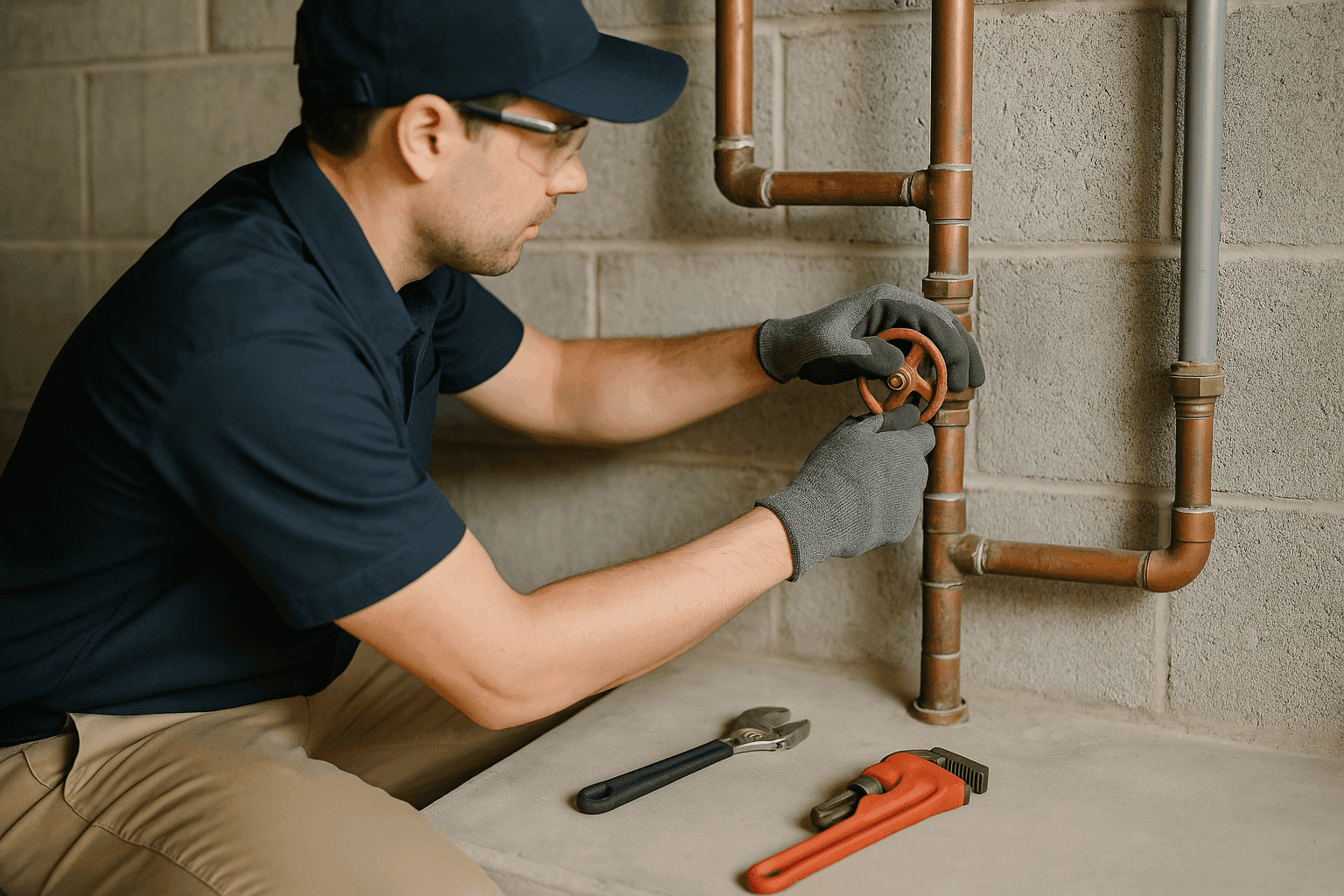
When water starts pouring where it shouldn’t, panic can set in fast. A burst pipe, a leaking water heater, or a gushing toilet can turn a calm day upside down in seconds. You might feel helpless, but knowing how to shut off your home’s water supply is like having a fire extinguisher for plumbing disasters.
At SDC Plumbing, we’ve seen how quick action can mean the difference between a minor mishap and a soaked, ruined home. This guide will walk you through the steps to safely shut off your water in an emergency—fast, safely, and with confidence.
Why Fast Water Shut-Off Matters 🚨
Imagine your kitchen floor turning into a swimming pool. Every second counts. Water spreads like spilled paint, seeping into floors, walls, and belongings. The damage adds up quickly—sometimes in minutes. According to the Insurance Information Institute, water damage is one of the most common and costly types of claims for homeowners and small businesses.
Shutting off your water supply quickly can:
- Limit property damage
- Prevent mold growth
- Protect electrical systems
- Save money on repairs
- Give you peace of mind
Quick Safety Checklist
Before you leap into action, take a breath. Safety comes first. Here’s what to keep in mind:
- Stay calm. Rushing increases the risk of slips and injuries.
- Turn off electricity if water is near outlets or appliances. Water and electricity don’t mix.
- Wear shoes with good grip to avoid slipping on wet floors.
- Have a flashlight handy if you need to access dark or hard-to-reach places.
- Use gloves if you suspect the water is contaminated (like from a sewer backup).
- Don’t force stuck valves. You could cause more damage.
How to Find Your Main Water Shut-Off Valve
The main shut-off valve is your plumbing’s “off switch.” But it’s often hidden—like a secret lever in a mystery novel. Here’s how to track it down:
Common Locations
- Basement or crawl space: Usually near the front foundation wall.
- Utility room: Near the water heater or furnace.
- Garage: Sometimes on the wall closest to the street.
- Outside: In a covered box near the street or sidewalk (sometimes called a meter box).
Look for a round or lever-style valve on a pipe coming from the ground or wall.
Types of Shut-Off Valves
- Ball valve: Lever handle. Turn 90 degrees (quarter turn) so it’s perpendicular to the pipe.
- Gate valve: Round wheel handle. Turn clockwise (righty-tighty) until it stops.
If you live in a multi-unit building, ask your building manager or check your maintenance manual for the specific location.
Step-by-Step: How to Shut Off the Water
- Locate the main valve using the clues above.
- Clear the area. Move boxes, cleaning supplies, or anything blocking your access.
- Grip the handle firmly. If it’s a lever, turn it a quarter turn. If it’s a wheel, twist clockwise until it stops.
- Listen for silence. The sound of rushing water should fade.
- Test a faucet. Turn on a sink to make sure the water stops flowing.
- If the valve is stuck, avoid using excessive force. Call a professional instead.
Pro Tip: Show everyone in your household or business where the valve is. Practice turning it off before an emergency strikes.
Temporary Leak Control: What You Can Do While Waiting
Sometimes, shutting off the main valve isn’t possible—maybe it’s stuck, or you can’t find it. Here’s what you can do:
- Use a bucket or towels to collect and contain water.
- Turn off the water at a fixture (like under the sink or behind the toilet) if you know where the leak is.
- Tightly wrap a pipe with heavy-duty tape or a towel to slow the flow.
- Move valuables and electronics away from the water’s path.
- Open windows or use fans to start drying out wet areas.
These steps buy you time, but they’re not permanent fixes.
DIY vs. Call a Pro
You might be handy, but some plumbing emergencies are like wild animals—best left to the experts. Here’s when you can try DIY, and when it’s time to call SDC Plumbing:
DIY is okay if:
- The leak is small and you can easily reach the shut-off valve.
- The valve turns smoothly and you’re comfortable with basic tools.
- There’s no risk of electrical shock or contaminated water.
Call a professional if:
- The main valve is stuck, corroded, or broken.
- Water is near electrical panels or outlets.
- You smell gas or suspect a gas line issue.
- The leak is severe, fast, or you can’t locate the source.
- You’re unsure or feel unsafe.
Plumbing codes and safety standards, such as those from the International Association of Plumbing and Mechanical Officials (IAPMO), recommend professional intervention for complex or hazardous situations.
What Pros Do On Arrival
When SDC Plumbing arrives, here’s what you can expect:
- Assessment: We quickly locate the main shut-off and any secondary valves.
- Safety check: We make sure the area is safe from electrical and slip hazards.
- Leak control: We stop the water flow and contain the leak.
- Damage inspection: We identify affected areas and recommend next steps.
- Repair: Depending on the problem, we’ll repair, replace, or stabilize pipes, fixtures, or appliances.
- Cleanup guidance: We advise on drying, disinfecting, and preventing mold.
Our team follows best practices from organizations like the Plumbing-Heating-Cooling Contractors Association (PHCC) to ensure safety and quality.
Prevention & Maintenance
Stopping a flood is good. Preventing one is even better. Here’s how to keep your plumbing in shape:
- Inspect valves annually. Turn them off and on to keep them from sticking.
- Check pipes for corrosion, leaks, or drips.
- Insulate pipes to prevent freezing and bursting.
- Schedule regular plumbing checkups for your home or business.
- Replace old or faulty shut-off valves.
- Know your system. Keep a map or notes of valve locations.
Regular maintenance reduces the risk of surprise emergencies and can extend the life of your plumbing.
Costs & Time Factors
Plumbing emergencies can be unpredictable, but here’s what to expect:
- Shutting off water: Free, if you know how and the valve works.
- Emergency plumbing visits: Costs vary based on time of day, severity, and parts needed.
- Repairs: Simple leaks may take less than an hour; major pipe bursts or water heater failures can take several hours or require follow-up visits.
- Cleanup and restoration: Water damage can increase costs if not addressed quickly.
Acting fast keeps damage—and costs—down. Insurance may cover some water damage, but policies differ. Always check your coverage.
When It’s an Emergency
Not every drip is a disaster. But these situations call for immediate action:
- Burst pipes with spraying or pooling water
- Major leaks you can’t stop
- Flooding near electrical outlets or appliances
- Sewage backups or foul odors
- No water at all (could signal a main break)
- Gas smells or hissing near pipes
Don’t wait. Shut off the water and call for help.
FAQ: Common Questions About Water Shut-Off
How often should I test my main shut-off valve?
Test it at least once a year. Turn it off and back on to make sure it moves easily. If it’s stiff or stuck, have it serviced.
What if I can’t find the main shut-off valve?
Check your property inspection report, ask your building manager, or call a plumber. In some cases, the valve may be outside in a meter box.
Can I shut off water to just one room?
Yes, many fixtures have local shut-off valves under sinks or behind toilets. Turning these off can stop a leak in one area without affecting the whole house.
Is it safe to turn the valve myself?
Usually, yes, if you follow safety precautions. If you feel resistance, see corrosion, or are unsure, don’t force it—call a professional.
Special Considerations for This Service
- Older homes may have hidden or hard-to-reach valves.
- Commercial properties often have multiple shut-off points—know them all.
- Seasonal properties should have water shut off before long absences.
- Backflow prevention devices may require professional adjustment after valve use.
- Check local codes for any special requirements on shut-off access and labeling.
Take Control in a Plumbing Emergency
Knowing how to shut off your water is like having a life jacket in a storm. It won’t fix every problem, but it keeps you afloat until help arrives. Keep calm, act quickly, and don’t hesitate to reach out if you need professional hands.
Call SDC Plumbing now — or reach us anytime at 888-218-8797 .