Kitchen Plumbing Upgrades That Add Value to Your Home
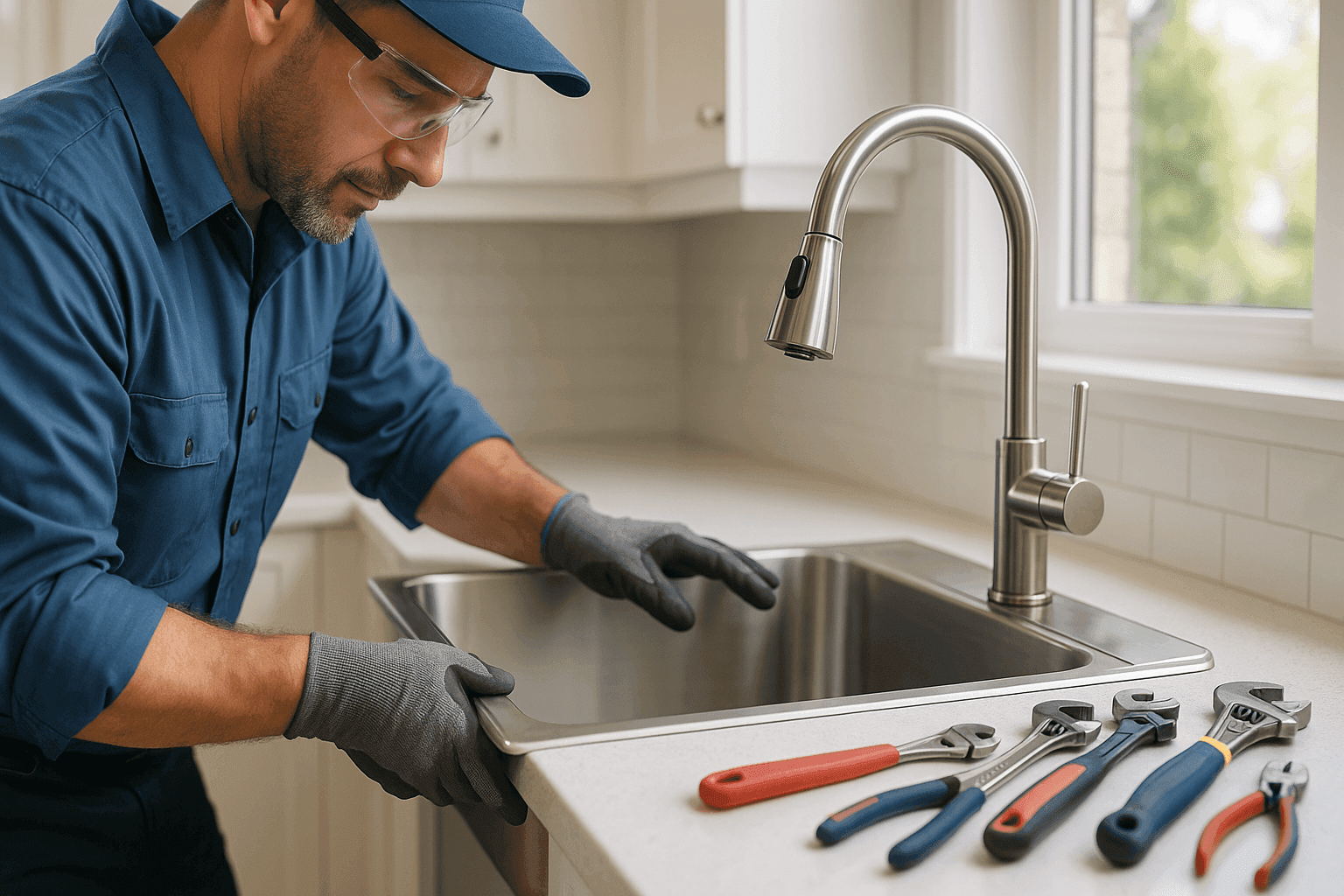
If your kitchen feels stuck in another decade, you aren’t alone. Many homes have beautiful counters and cabinets—but old, leaky faucets or a tired sink can spoil the experience. Upgrading your kitchen plumbing can brighten the heart of your home, improve daily life, and even boost your property’s value.
At SDC Plumbing, we know the kitchen is where stories are made—morning coffee, midnight snacks, and family dinners. Reliable, modern plumbing means less stress, fewer emergencies, and a home that just works. Let’s dig into the upgrades that truly make a difference.
Why Upgrade Kitchen Plumbing? 🚰
Your kitchen’s plumbing is like the circulatory system of your home. When it runs smoothly, everything else does too. But old pipes, outdated fixtures, or a lack of water filtration can cause headaches—and cost money in the long run.
Here’s why upgrading matters:
- Increase Home Value: Homebuyers notice kitchens first. Modern plumbing is a selling point, not just for looks but for reliability.
- Reduce Emergency Plumbing Calls: Newer fixtures and pipes mean fewer leaks, clogs, or surprise floods.
- Save Water and Energy: Efficient faucets, disposals, and water heaters cut utility bills and help the planet.
- Better Health: Water filtration systems keep your drinking and cooking water clean, reducing risks from contaminants.
- Everyday Comfort: Imagine a deep sink that fits every pan, or a touchless faucet that doesn’t splash. Small upgrades, big change.
A kitchen upgrade is more than a facelift—it’s an investment in comfort, safety, and peace of mind.
High-Impact Upgrades
Let’s break down the most value-adding kitchen plumbing improvements. Each brings function and style, but the best choice depends on your needs and budget.
Sinks: The Workhorse
- Deeper Basins: Tackle big pots and baking trays easily.
- Double Bowls: Multitask with separate zones for washing and rinsing.
- Materials: Stainless steel is classic, but fireclay and composite sinks can add color and durability.
- Undermount Installation: Sleeker and easier to clean—no crumbs stuck on the lip.
Faucets: Form and Function
- Pull-Down & Pull-Out Sprayers: Make rinsing a breeze.
- Touchless Models: Reduce mess and help with hygiene—great when hands are full or dirty.
- Solid Brass Construction: Lasts longer and resists corrosion.
- Adjustable Flow: Save water without sacrificing performance.
Water Filtration: Clean, Crisp, Confident
- Under-Sink Filters: Hidden but powerful—removes chlorine, lead, and more.
- Reverse Osmosis Systems: For the purest drinking water.
- Whole-House Filtration: Tackle water quality at the source.
Preference: NSF-certified filters are recommended by the Environmental Protection Agency (EPA) for safety.
Garbage Disposals: The Unsung Hero
- Quiet Models: Peaceful prep and cleanup.
- Higher Horsepower: Breaks down tough waste, reducing clogs.
- Anti-Jam Features: Less hassle over time.
Layout Changes: Rethink the Routine
- Move Sink or Dishwasher: Shorter runs between fixtures can cut down on leaks and future pipe issues.
- Add a Pot Filler: No more lugging heavy pots—install above the stove.
- Increase Counter Access: Place fixtures for better workflow.
Each of these upgrades can be tailored for residential or commercial kitchens. If you run a restaurant or café, commercial-rated fixtures and disposals are a smart investment.
Choosing Fixtures: What Matters Most? 🛠️
The right fixtures do more than look good—they perform under pressure. Consider:
- Material Quality: Look for solid brass or stainless steel. Cheap plastics crack and wear fast.
- Flow Rates: EPA’s WaterSense program recommends faucets with a max of 1.5 gallons per minute.
- Finish: Chrome is classic, but matte black and brushed nickel hide fingerprints and water spots.
- Size & Fit: Measure first—especially for sinks and disposals. An inch off can mean costly changes.
- Code Compliance: All plumbing must meet local building codes. This protects your investment and ensures insurance coverage.
Pro tip: The International Plumbing Code (IPC) and Uniform Plumbing Code (UPC) offer guidelines. Always check with your local building department for specifics.
Installation Process: What to Expect
Upgrading kitchen plumbing is a bit like changing the wiring behind a wall-mounted TV. You can’t see the effort, but you appreciate the result every day.
Step-by-Step Overview
- Assessment: Identify what needs updating. Pipes, fixtures, filtration, or all of the above?
- Turn Off Water: Always the first step—no surprises here.
- Remove Old Fixtures: Careful removal protects counters and cabinets.
- Inspect Piping: Check for corrosion, leaks, or outdated pipe material (like lead or galvanized steel).
- Install New Fixtures: Secure, seal, and align each upgrade for long-term performance.
- Test for Leaks: Run water, fill the sink, and check every joint.
- Clean Up: Leave the kitchen better than found.
Code and Safety First
- Permits: Some changes (especially layout or new piping) require permits.
- Shutoff Valves: Always ensure these are accessible and working.
- Electrical Safety: Garbage disposals and some water filtration systems need proper wiring.
If you’re not experienced, a mistake can lead to leaks, water damage, or code violations. When in doubt, call for professional help—especially for emergency plumbing or complex jobs.
ROI of Upgrades: Value You Can See (and Taste) 💧
Home improvement isn’t just about curb appeal. Kitchen plumbing upgrades offer real returns:
- Resale Value: A modernized kitchen can increase home value by 5–10%, according to the National Association of Realtors.
- Energy Efficiency: Efficient fixtures save money every month.
- Fewer Repairs: New pipes and fixtures mean fewer emergency plumbing calls—and more predictable costs.
- Health and Safety: Clean water, no leaks, no mold. That’s value you feel every day.
Commercial kitchens see even bigger returns. Upgrades can reduce downtime, improve health inspection results, and boost staff morale.
Practical Tips for a Smooth Upgrade
- Plan Ahead: Decide what bothers you most—leaky faucet, rusty sink, slow drains—and start there.
- Set a Budget: Quality fixtures cost more up front but pay off in durability.
- Schedule Wisely: Kitchen out of commission? Plan for a time when you can manage without it for a day or two.
- Keep Receipts: For warranty and tax purposes.
References to Code and Guidelines
- EPA WaterSense: For water-saving fixtures.
- NSF/ANSI Standards: For water filtration safety.
- International Plumbing Code (IPC) and Uniform Plumbing Code (UPC): For installation and safety requirements.
These resources keep your project safe, legal, and efficient.
Frequently Asked Questions
How long does a typical kitchen plumbing upgrade take?
Most upgrades—like a new sink, faucet, or disposal—can be done in a day. More complex changes (like moving plumbing or adding filtration) may take two to three days, especially if permits are needed.
Will I need to update old pipes too?
If your pipes are copper, PEX, or modern PVC and in good shape, you may not. But older galvanized steel or lead pipes should be replaced for safety, especially when you’re already upgrading fixtures.
Can I upgrade my own kitchen plumbing?
Handy homeowners can tackle simple tasks, like swapping a faucet. But anything involving electrical, gas, or cutting into walls is best left to a licensed plumber to avoid leaks, water damage, or code violations.
How do I know if my water quality needs improvement?
If you notice odd tastes, stains, or odors, or if you live in an area with hard water, consider water testing. Many public health departments offer guidance, or you can use an NSF-certified home test kit.
Ready for a Kitchen That Works Hard and Looks Great?
A kitchen plumbing upgrade is a gift to your home—and yourself. Whether you’re dreaming of a deep farmhouse sink or need emergency plumbing for a surprise leak, SDC Plumbing is here to help. From Water Heater Repair near you to complete kitchen makeovers, we use high-quality materials and follow all safety codes.
Call SDC Plumbing now — or reach us anytime at 888-218-8797 .