How to Maintain Your Home Plumbing System Year-Round
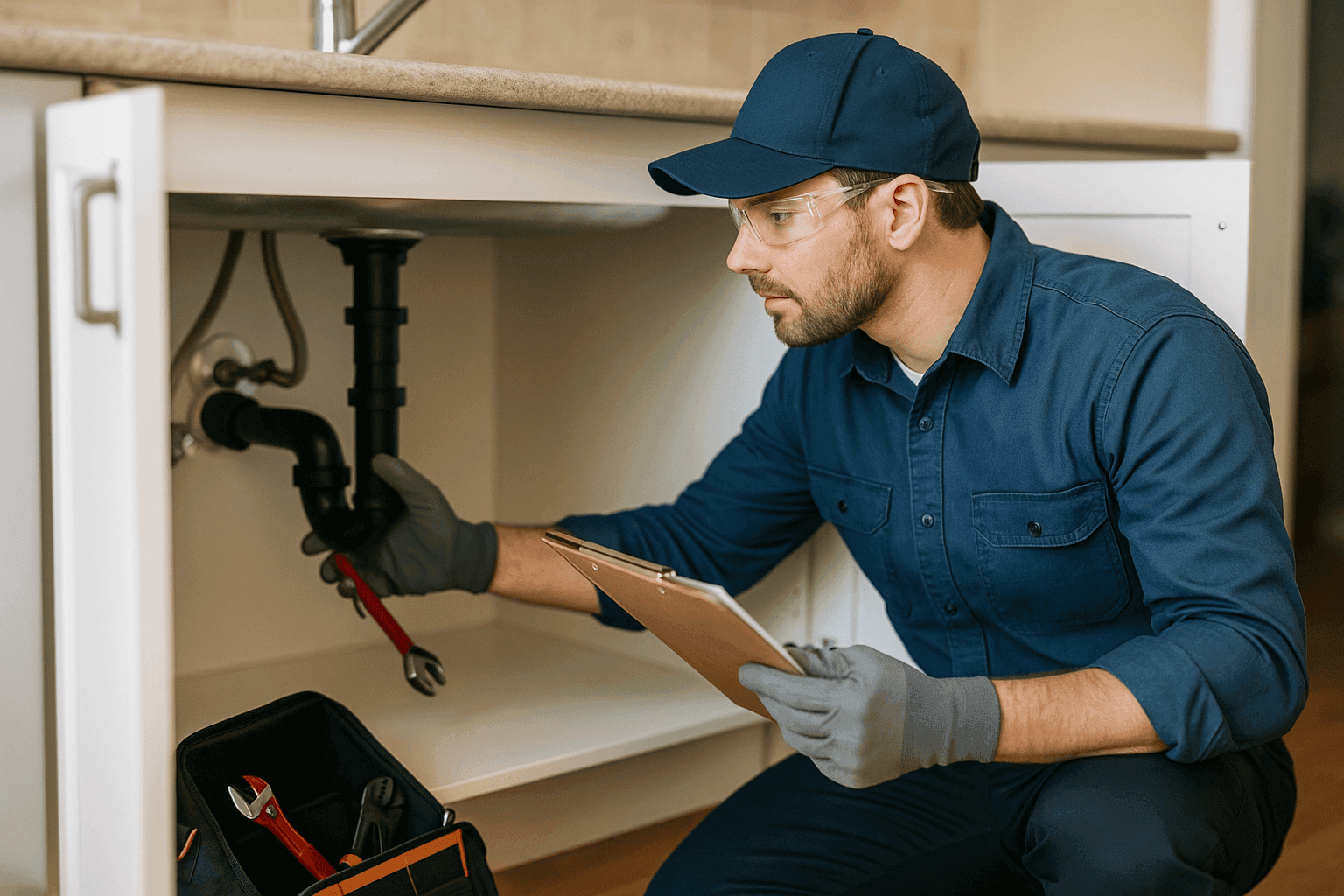
Is your plumbing system ready for whatever the year throws at it? If you’ve ever faced a burst pipe or backed-up drain, you know how quickly a small issue can turn into a big, messy problem. At SDC Plumbing, we understand the stress and expense that plumbing emergencies can cause. That’s why we’re sharing this guide—to help you stay ahead of trouble and keep your home or business running smoothly.
Plumbing maintenance isn’t just about avoiding emergencies. It’s about protecting your investment, saving on costly repairs, and making sure every faucet, drain, and pipe works as it should. Let’s walk through what you should do each season, how to spot early warning signs, and when it’s time to bring in a professional.
Why Year-Round Plumbing Maintenance Matters
Think of your plumbing like the veins of your home or business. If something clogs up or springs a leak, everything else can grind to a halt. Water damage, mold, and even structural issues can sneak up if problems go unchecked. Consistent maintenance is like regular checkups for your property—it keeps things flowing and catches trouble before it spreads.
Ignoring small issues is like ignoring a slow leak in a boat. Eventually, you’re bailing out water instead of enjoying the ride. Regular upkeep saves money, prevents emergencies, and extends the life of your plumbing.
Quick Safety Checklist 🛠️
Before you start any plumbing maintenance, safety comes first. Here’s a simple checklist to follow:
- Turn off the main water supply before working on pipes or fixtures.
- Unplug electrical devices near water sources.
- Wear gloves and eye protection when handling chemicals or tools.
- Never mix drain cleaners; dangerous fumes can result.
- If you smell gas, leave the area and call emergency services immediately.
- Know where your emergency shut-off valves are located.
- Keep children and pets away from work areas.
Following safety guidelines, like those from the International Association of Plumbing and Mechanical Officials (IAPMO), helps prevent accidents and keeps you compliant with code.
Seasonal Plumbing Maintenance Checklist
Every season brings its own plumbing challenges. Here’s how to stay ahead all year long.
Spring
- Inspect exposed pipes for leaks or corrosion.
- Clean gutters and downspouts to prevent water from pooling near your foundation.
- Test sump pumps to ensure they’re ready for spring rains.
- Check outdoor faucets and hoses for winter damage.
- Flush your water heater to remove sediment buildup.
Summer
- Look for slow drains—tree roots can invade pipes in warm weather.
- Check for leaks in sprinklers and outdoor plumbing.
- Monitor water pressure; sudden drops could signal hidden leaks.
- Inspect washing machine hoses for cracks.
Fall
- Disconnect and drain outdoor hoses to prevent freezing.
- Insulate exposed pipes in unheated areas.
- Test your water heater’s pressure relief valve.
- Clean out drains to prevent clogs from fallen leaves.
Winter
- Keep cabinet doors open under sinks to let warm air circulate.
- Let faucets drip during deep freezes to prevent pipes from bursting.
- Check for drafts around pipes and seal any gaps.
- Schedule a professional inspection if you’re unsure about your system’s readiness.
Common Plumbing Problems by Season
Each season, certain issues tend to pop up. Here’s what to watch for:
- Spring: Flooded basements, leaking pipes, sump pump failures.
- Summer: Sewer line backups, sprinkler leaks, increased water usage.
- Fall: Blocked gutters, slow drains, water heater issues.
- Winter: Frozen pipes, burst lines, low water pressure.
Spotting these early gives you a head start before they become emergencies.
DIY Plumbing Maintenance vs. Calling a Pro
Some plumbing tasks are as simple as tightening a loose screw or clearing a hairball from the drain. Others? Not so much.
When DIY Makes Sense
- Unclogging minor sink or shower drains.
- Replacing faucet washers or aerators.
- Cleaning out P-traps under sinks.
- Tightening loose connections.
When to Call a Professional
- Persistent or recurring leaks.
- Water stains on walls or ceilings.
- Low or inconsistent water pressure.
- Sewer odors or slow drains throughout the house.
- Gas line issues or suspected leaks.
- Installation or repair of water heaters, boilers, or sump pumps.
Attempting complex repairs without the right tools or training can create bigger headaches—and may even violate plumbing codes. When in doubt, call SDC Plumbing for help.
What the Pros Do When They Arrive
Ever wonder what happens when a plumber shows up? Here’s what you can expect from a professional service call:
- Assessment: We’ll inspect the affected area and ask about any recent changes or issues.
- Diagnosis: Using tools like leak detectors, cameras, or pressure gauges, we pinpoint the problem.
- Action: Repairs are made according to code. We use quality parts and proven techniques.
- Testing: The system is tested to ensure everything works as it should.
- Advice: We’ll share tips for preventing future issues and answer your questions.
Our team is trained in the latest safety standards and building codes, so you get peace of mind along with expert repairs.
Prevention & Maintenance: Tips to Keep Plumbing Healthy
A little effort goes a long way. Here’s how to keep your plumbing in top shape:
- Fix drips and leaks fast. Even a tiny drip can waste gallons of water and cause hidden damage.
- Use drain screens to catch hair, food, and debris.
- Avoid pouring grease or oil down drains; it solidifies and causes clogs.
- Flush only toilet paper—wipes, feminine products, and paper towels don’t belong.
- Schedule annual inspections for water heaters, sump pumps, and backflow preventers.
- Test water pressure regularly. High pressure can stress pipes and cause leaks.
- Install water filtration systems to reduce mineral buildup and protect appliances.
- Know your shut-off valves. In an emergency, turning off the water quickly can prevent major damage.
Costs & Time Factors
Plumbing maintenance doesn’t have to break the bank. Many routine tasks take just minutes but save hundreds down the line.
- DIY tasks: Cleaning drains, checking hoses, and inspecting faucets can be done in under an hour.
- Professional inspections: Typically take 1–2 hours, depending on the size of your property.
- Repairs: Simple fixes (like replacing a faucet or fixing a leak) may take less than an hour. More complex jobs (like repiping or sewer line repair) can take a day or more.
Investing in regular maintenance is like changing the oil in your car—skip it, and you’ll pay more down the road.
When It’s an Emergency 🚨
Not every plumbing problem can wait. Here’s when to call for emergency plumbing right away:
- Water pouring from ceilings, walls, or floors.
- No water at all or sudden loss of pressure.
- Sewage backups or foul odors.
- Gas smells near appliances or pipes.
- Burst pipes or rapidly spreading water damage.
If you’re facing any of these, shut off your main water supply and call for help immediately. Fast action can limit damage and protect your property.
Frequently Asked Questions
How often should I have my plumbing inspected?
Once a year is a good rule of thumb, according to the International Code Council (ICC) and most insurance providers. Older properties or those with known issues may need more frequent checks.
What’s the best way to prevent clogged drains?
Use drain screens, avoid pouring grease or coffee grounds down the sink, and flush only toilet paper. Regular cleaning helps, too.
Can I use chemical drain cleaners?
It’s best to avoid them. Harsh chemicals can damage pipes and harm the environment. Try a plunger or a drain snake first. If the clog persists, call a plumber.
What should I do if my pipes freeze?
Turn off the main water supply, open faucets to relieve pressure, and gently warm pipes with a hair dryer. Never use open flames. If you suspect a burst, call for emergency plumbing services.
Special Considerations for Business Owners
If you own a small business, plumbing problems can mean lost revenue and unhappy customers. Regular maintenance is even more important in commercial settings, where usage is higher and downtime costs more. Schedule preventative checks outside business hours when possible, and ensure your staff knows how to shut off water in an emergency.
Protect Your Property with Preventative Plumbing Care
Plumbing problems rarely wait for a convenient time. But with a little planning and regular attention, you can keep your system running smoothly all year long. Whether you’re tackling a quick fix or need help with a bigger job, SDC Plumbing is here to help—day or night.
Call SDC Plumbing now — or reach us anytime at 888-218-8797 .