Pipe Installation: What Homeowners Should Know Before a Remodel
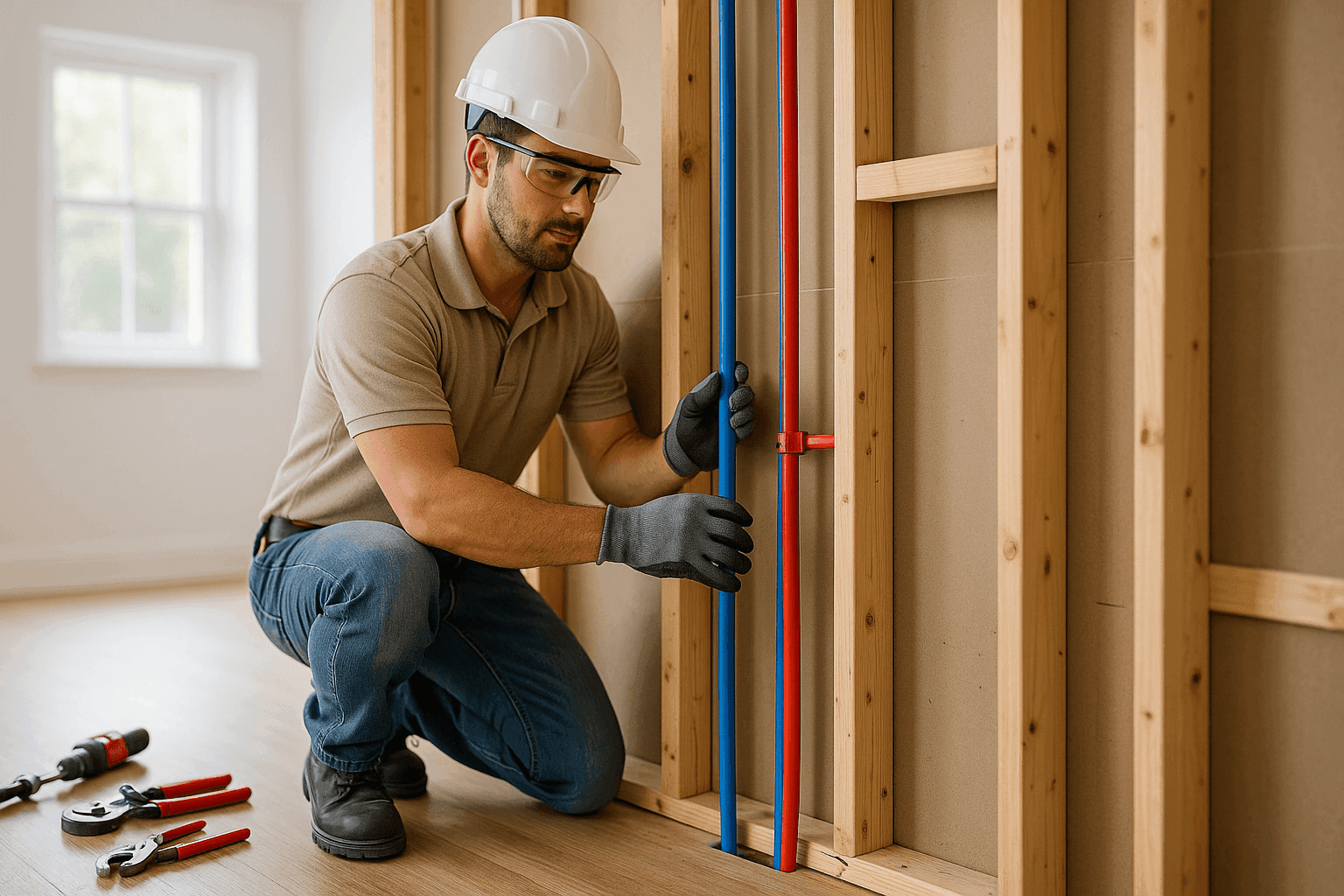
Thinking about a kitchen or bathroom remodel? New countertops and tiles are exciting. But what’s behind the walls matters just as much. Old pipes can be like ticking clocks—eventually, they’ll force you to deal with leaks, rust, or water pressure headaches.
At SDC Plumbing, we know remodels are big investments. Pipe installation isn’t glamorous, but it’s one of the smartest moves you can make to protect your home (and your wallet) for years to come. Here’s what every homeowner should know before the first hammer swings.
When to Install New Pipes 🛠️
Remodeling is the perfect time to look at your pipes. Why? Because once cabinets, tile, and drywall go up, hidden plumbing is much harder—and pricier—to reach.
Consider new pipes if:
- Your home is over 40 years old and still has original plumbing.
- You’ve had frequent leaks, clogs, or water pressure issues.
- Visible pipes show signs of corrosion, flaking, or green staining.
- You want to upgrade to a modern system (like a tankless water heater or whole-home water filtration).
- You’re moving fixtures or adding new bathrooms/kitchens.
Supply vs. Drain Lines:
Supply pipes bring water in, under pressure. Drain pipes carry waste away using gravity. Both can run under floors, through walls, and behind appliances. If you’re touching walls or floors during your remodel, let a licensed plumber inspect both.
Choosing Materials: Copper, PEX, and More
Not all pipes are created equal. Each material comes with its own pros and cons—like picking the right tool for the job.
Copper:
- Resists bacteria and withstands high heat.
- Lasts for decades when installed correctly.
- Can be expensive and tricky to install around tight corners.
PEX (Cross-linked Polyethylene):
- Flexible as a garden hose, making it easy to snake through walls.
- Resistant to freeze damage and scale buildup.
- Lower cost and faster installation.
- Not always allowed for every application—check local codes.
PVC & ABS:
- Common for drain, waste, and vent lines.
- Lightweight and won’t corrode.
- Not suitable for hot water supply lines.
What’s best?
It depends on your home’s needs, local building codes, and your budget. SDC Plumbing always matches materials to the job—no shortcuts, no guesswork.
Pipe Routing and Sizing: The Hidden Blueprint
A well-designed plumbing system is like a city’s road map. Water and waste need to flow smoothly, with no traffic jams or dead ends.
Key considerations:
- Routing: Pipes need to avoid sharp bends, tight squeezes, or contact with electrical wiring.
- Sizing: Bigger isn’t always better. Oversized pipes can reduce water pressure, while undersized pipes cause weak showers and slow fill times.
- Fixture Locations: Moving a sink or shower? Pipes may need to reroute entirely.
Professional plumbers use the Uniform Plumbing Code (UPC) and International Plumbing Code (IPC) as guides. Both set standards for pipe size, slope, and support—details that prevent future headaches.
Code and Permits: Playing by the Rules 📋
Pipe installation isn’t a “just wing it” project. Local municipalities require permits for most plumbing work, especially when adding or moving pipes during a remodel.
Why does this matter?
- Safety: Incorrect installations can lead to leaks, water damage, or even health hazards (like backflow contamination).
- Resale: Work that isn’t up to code can hurt your home’s value—or cause trouble during inspections.
- Warranty: Many product warranties require professional, code-compliant installation.
SDC Plumbing handles permits and inspections, so you don’t have to navigate city paperwork or worry about surprise red tags.
Installation Timeline: What to Expect ⏳
Pipe installation isn’t always a one-day job. Here’s a typical timeline for a standard remodel:
- Initial Inspection: We assess existing pipes and layout.
- Planning & Permits: Finalize materials, routing, and secure necessary permits.
- Rough-In: Install new pipes before walls and floors are closed up.
- Pressure Testing: Check for leaks or weak spots.
- Final Connections: Hook up fixtures (sinks, toilets, water heaters) after finishes go in.
- Inspection: City inspector gives the green light.
How long?
Small jobs (like a single bathroom) may only take a few days. Whole-home repiping can stretch over a week or two—especially if you’re staying in the house during work.
Quick Safety Checklist
Before work starts, double-check these essentials:
- Turn off the main water supply.
- Alert your plumber to any previous leaks or water damage.
- Clear the area for access (move furniture, empty cabinets).
- Know where gas, electrical, and other utilities run.
- Ask about water shutoff and bathroom use during installation.
- Keep pets and kids clear of the work zone.
Safety comes first, always. The National Association of Home Builders and your local building department are good references for pre-construction checklists.
DIY vs. Call a Pro
It’s tempting to save money and watch a few “how-to” videos. But plumbing isn’t just about twisting pipes together. One tiny mistake can mean water damage, code violations, or even a failed inspection.
DIY is only safe for:
- Swapping out a faucet or showerhead.
- Replacing a toilet flapper.
Call a professional if:
- You’re opening walls or floors.
- You’re moving or adding fixtures.
- You need to pull permits or pass an inspection.
- Gas lines are involved (serious safety risk).
SDC Plumbing’s licensed plumbers have spent years learning the tricks of the trade—so you get work that lasts.
What Pros Do on Arrival
Curious what happens when a plumber arrives for your remodel? Here’s the play-by-play:
- Walkthrough: Review remodel plans, fixture locations, and any known issues.
- Inspect: Check existing pipes for corrosion, leaks, or improper materials.
- Plan: Map out new pipe routes, considering code and future accessibility.
- Protect: Lay down drop cloths, cover floors, and isolate the work zone.
- Install: Remove old pipes, make precise cuts, and install new lines with secure fittings.
- Test: Pressurize the system, check for leaks, and make sure everything drains as it should.
- Clean Up: Haul away debris and leave the space tidy.
A professional team keeps you in the loop at every step, answering questions and flagging any surprises.
Prevention & Maintenance Tips
New pipes are just the start. Keep them healthy for decades with these simple habits:
- Don’t pour grease or harsh chemicals down drains.
- Run cold water when using the garbage disposal.
- Schedule yearly leak checks, especially before winter.
- Know where your main water shutoff is located.
- Install water alarms under sinks and near the water heater.
- Insulate exposed pipes in cold areas to prevent freezing.
The Environmental Protection Agency (EPA) recommends prompt leak repairs to avoid wasting thousands of gallons of water every year.
Costs & Time Factors
Every remodel is unique. The cost of pipe installation depends on:
- Number of bathrooms, kitchens, or fixtures.
- Type of pipe (copper, PEX, PVC).
- Whether old pipes must be removed.
- Accessibility (crawl spaces, finished basements, slab foundations).
- Local permit fees and inspection schedules.
Remember:
Emergency plumbing calls or last-minute surprises (like hidden leaks) can add to the bill. The best way to avoid sticker shock? Plan ahead, ask questions, and work with licensed professionals.
When It’s an Emergency
Sometimes, you don’t have the luxury of planning. Burst pipes, major leaks, or sewage backups need immediate attention.
Warning signs of an emergency:
- Sudden drop in water pressure.
- Water pooling on the floor or inside walls.
- Foul odors from drains or sewer lines.
- Gurgling sounds from toilets or sinks.
- Visible mold or water stains.
SDC Plumbing offers emergency plumbing service around the clock. Fast response can mean the difference between a quick fix and thousands in water damage.
FAQ: Pipe Installation & Remodels
Q: Do I need to upgrade all pipes during a remodel?
A: Not always. But if your pipes are old, corroded, or the wrong size for new fixtures, it’s wise to update while access is easy.
Q: Can I mix copper and PEX in my home?
A: Yes—with the right connectors. Professional plumbers use approved transition fittings to join different materials safely.
Q: How do I know if my pipes are up to code?
A: Local plumbing codes set the rules. SDC Plumbing always installs to current standards and arranges inspections as needed.
Q: What’s the difference between supply and drain lines?
A: Supply lines carry fresh water in. Drain lines carry waste and gray water out. Both require proper sizing and support to work well.
Local and Seasonal Considerations 🌦️
Weather and regional quirks matter. In cold climates, pipes need extra insulation to prevent winter bursts. Older homes may have unique challenges—like galvanized steel or even lead pipes, which should be replaced for safety.
If your area has hard water, ask about water filtration systems to protect new pipes from scale buildup. And if flooding is a risk, make sure sump pump and backflow prevention are part of your remodel plan.
Remodeling is the perfect time to get your home’s plumbing in top shape. Whether you need pipe installation, Water Heater Repair near you, or emergency plumbing, SDC Plumbing is ready to help you plan, protect, and enjoy your investment.
Call SDC Plumbing now — or reach us anytime at 888-218-8797 .