How Much Does Plumbing Cost? Realistic Budgets for Repairs & Upgrades
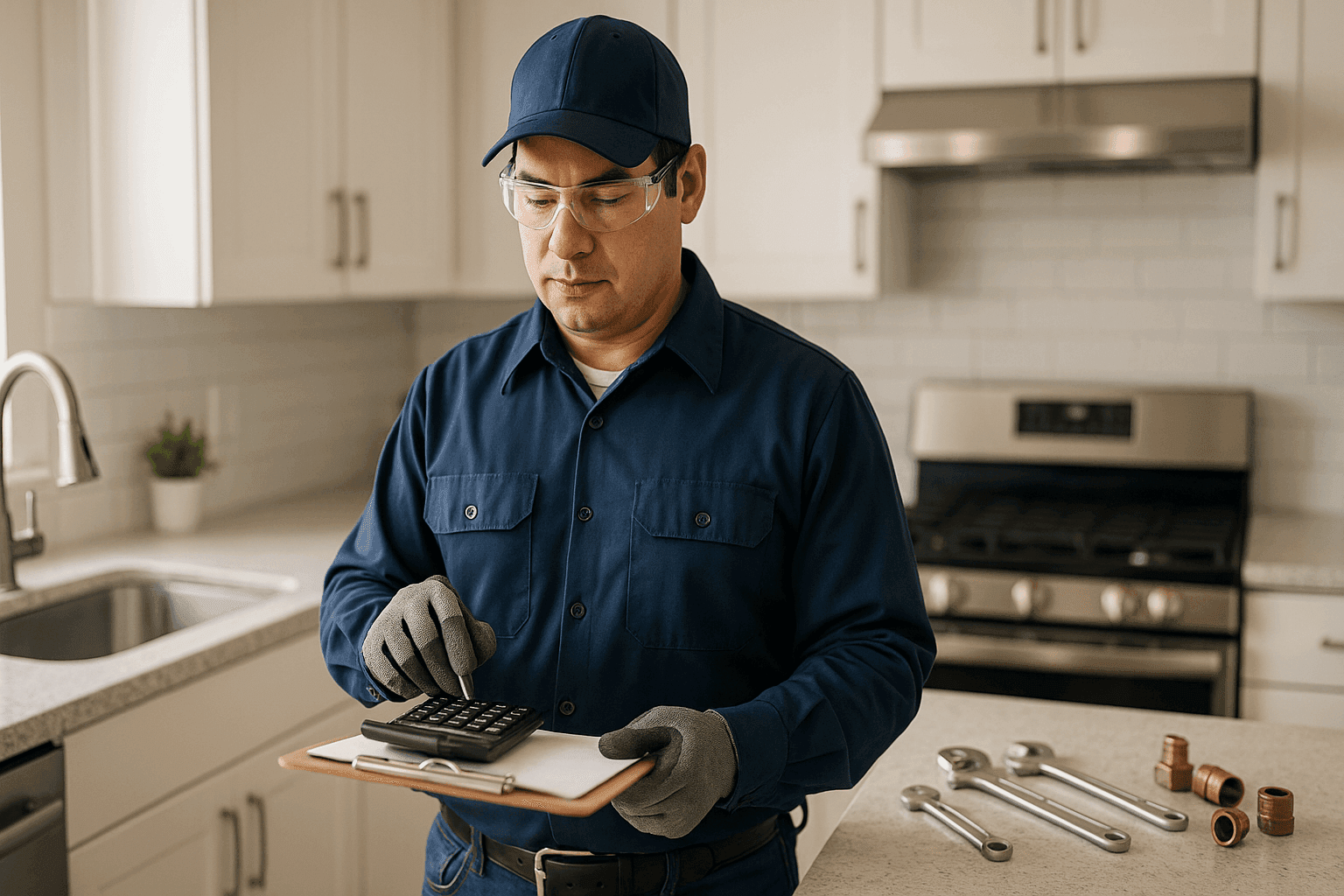
Plumbing issues have a way of sneaking up on you. Leaks can begin as a trickle, then suddenly it’s a rush—water everywhere, stress mounting, and questions running wild: How much will this cost? Is it a quick fix or a major overhaul? And will the bill match what you were quoted?
At SDC Plumbing, we know the real world rarely fits neat price tags. Whether it’s a midnight emergency or a planned bathroom upgrade, what you pay depends on more than just the pipes and parts. Let’s break down the real numbers—and what you can do to keep surprises to a minimum.
Plumbing Cost Factors 💡
No two plumbing jobs are identical. Like snowflakes—each home, business, and repair comes with its own quirks. Here’s what shapes the price:
- Type of Service: A leaky faucet is a different beast from a sewer line repair.
- Emergency vs. Scheduled: Emergency plumbing often needs fast action, which can impact cost.
- Materials Needed: Copper, PEX, and cast iron all come with their own price tags.
- Accessibility: Pipes hidden behind walls or underground increase labor.
- Building Size & Use: Commercial properties or larger homes may take extra time.
- Local Code Requirements: Permits and inspections are costs dictated by your city or county.
- Age of Plumbing: Older systems can mean more surprises (and more work).
Think of plumbing cost like baking a cake. The ingredients matter, but so does the time in the oven and the skill of the baker.
Average Costs by Service
Here’s what you can generally expect for common SDC Plumbing services. Remember, these are ranges—your specific situation may land high or low depending on the factors above.
Typical Repair & Upgrade Price Ranges
- Water Heater Repair near you: $150–$800
- Water Heater Installation: $900–$3,500 (tankless toward the higher end)
- Unclogging Toilets or Drains: $100–$600 (simple snaking vs. stubborn blockages)
- Leak Detection & Repair: $200–$1,200 (small leak vs. slab or hidden pipes)
- Pipe Repair or Repiping: $350–$6,000 (spot fixes vs. whole-home repipe)
- Fixture Installation (sinks, faucets, toilets): $150–$700 per item
- Sewer Line Inspection: $250–$800 (camera inspection included)
- Sewer Line Repair or Replacement: $1,500–$8,000+ (dig-up vs. trenchless methods)
- Sump Pump Repair or Install: $400–$1,800
- Backflow Testing & Prevention: $90–$600
- Gas Line Installation or Repair: $350–$2,500 based on length and complexity
- Garbage Disposal Repair: $120–$600
- Preventative Maintenance: $120–$400 per visit
These ranges reflect national averages and SDC Plumbing’s own transparent approach. For the most accurate estimate, a licensed professional will need to see your setup in person.
Hidden Costs to Watch
Plumbing jobs aren’t just parts and pipes. Sometimes, the “invisible” costs catch folks off guard.
- Permits & Inspections: Many cities require official sign-off—especially for gas, sewer, or major remodels.
- Wall, Floor, or Yard Repairs: Accessing pipes can mean cutting drywall, digging, or concrete work.
- Water Damage Remediation: If a leak has gone undetected, cleanup can add up fast.
- After-Hours or Weekend Fees: Emergency plumbing at 2am can bump up labor costs.
- Specialty Parts: Older or custom fixtures may be pricier to replace.
A reputable plumber will walk you through these before starting work. At SDC Plumbing, we believe in up-front numbers—no financial jump-scares.
How to Get Accurate Quotes 📝
The best way to avoid sticker shock? Know what to ask—and what to expect.
- Describe the Problem Clearly: Is it a slow drip, a flooded basement, or a mysterious smell?
- Request an In-Person Assessment: Phone quotes are rough; seeing the issue is key.
- Ask About All Possible Fees: Labor, materials, permits, and disposal—get it in writing.
- Compare Apples to Apples: Make sure quotes include the same scope of work.
- Look for Transparent, Itemized Estimates: It’s your right to see what you’re paying for.
If your plumber is vague or pushes for cash-only deals, it’s a red flag. Licensed pros—like those at SDC Plumbing—follow local codes and spell out the real costs.
Time Factors: Why Some Jobs Take Longer
Not all plumbing fixes are equal. Here’s why the clock sometimes ticks longer than you’d expect:
- Troubleshooting Hidden Leaks: Finding the source can take detective work.
- Waiting on Specialty Parts: Less common fixtures may need to be ordered.
- Permitting Delays: Some upgrades require city approval.
- Scope Creep: Small fixes sometimes reveal bigger issues once walls or floors are opened up.
Quick jobs (like snaking a drain) may take under an hour. Full-scale repipes or sewer repairs can stretch over several days. Your plumber should keep you updated each step of the way.
When It’s an Emergency
Burst pipes don’t wait for business hours. Emergency plumbing calls often involve extra coordination, after-hours fees, and the need to prevent further damage fast.
When every minute matters, the priority is stopping water, gas, or sewage from causing bigger problems. That means:
- Quick arrival (often within 1–2 hours)
- Immediate containment (shutting off water or gas)
- Temporary fixes if parts aren’t available right away
- Honest communication about next steps and costs
Emergency plumbing can cost more—but waiting can be even pricier if damage spreads.
FAQ: Plumbing Costs & Budgeting
Why are plumbing prices so different from house to house?
Every building is unique. Age, materials, and layout all play a part—plus what’s hiding behind the walls.
Can I save money by doing small repairs myself?
Some simple fixes (like replacing a washer) are doable if you’re handy. For anything involving gas, sewer, or major leaks, it’s safer and often cheaper in the long run to call a pro.
What’s included in “preventative maintenance”?
Regular checks on fixtures, pipes, and water pressure. Catching problems early can save thousands down the line.
Do all plumbers charge for estimates?
Not always. Some offer free quotes, others charge a small fee that’s often credited toward the repair if you proceed.
Local & Seasonal Considerations 🌦️
Different times of year bring different plumbing headaches. In winter, frozen pipes can burst. Spring often reveals leaks after heavy rain. Commercial buildings see price shifts based on usage and local business codes.
Always check your local building department for permit rules and plumbing code guidelines (see: Uniform Plumbing Code by the International Association of Plumbing and Mechanical Officials). Older homes may need updates to meet current standards, adding to cost.
Practical Tips for Budgeting & Avoiding Overpaying
- Get Multiple Quotes: Don’t settle for the first number you hear.
- Ask for Itemized Bills: Know where your money goes.
- Schedule Maintenance: Prevent emergencies by staying ahead of wear and tear.
- Keep Records: A file of past repairs makes future fixes easier (and often cheaper).
- Work With Licensed Plumbers: They understand code, safety, and real-world costs.
When it comes to plumbing, a little preparation goes a long way. No one likes surprises—especially on the bill. SDC Plumbing is committed to up-front, honest pricing for every job, big or small.
Call SDC Plumbing now — or reach us anytime at 888-218-8797 .