How to Prepare Your Plumbing for Seasonal Storms and Freezes
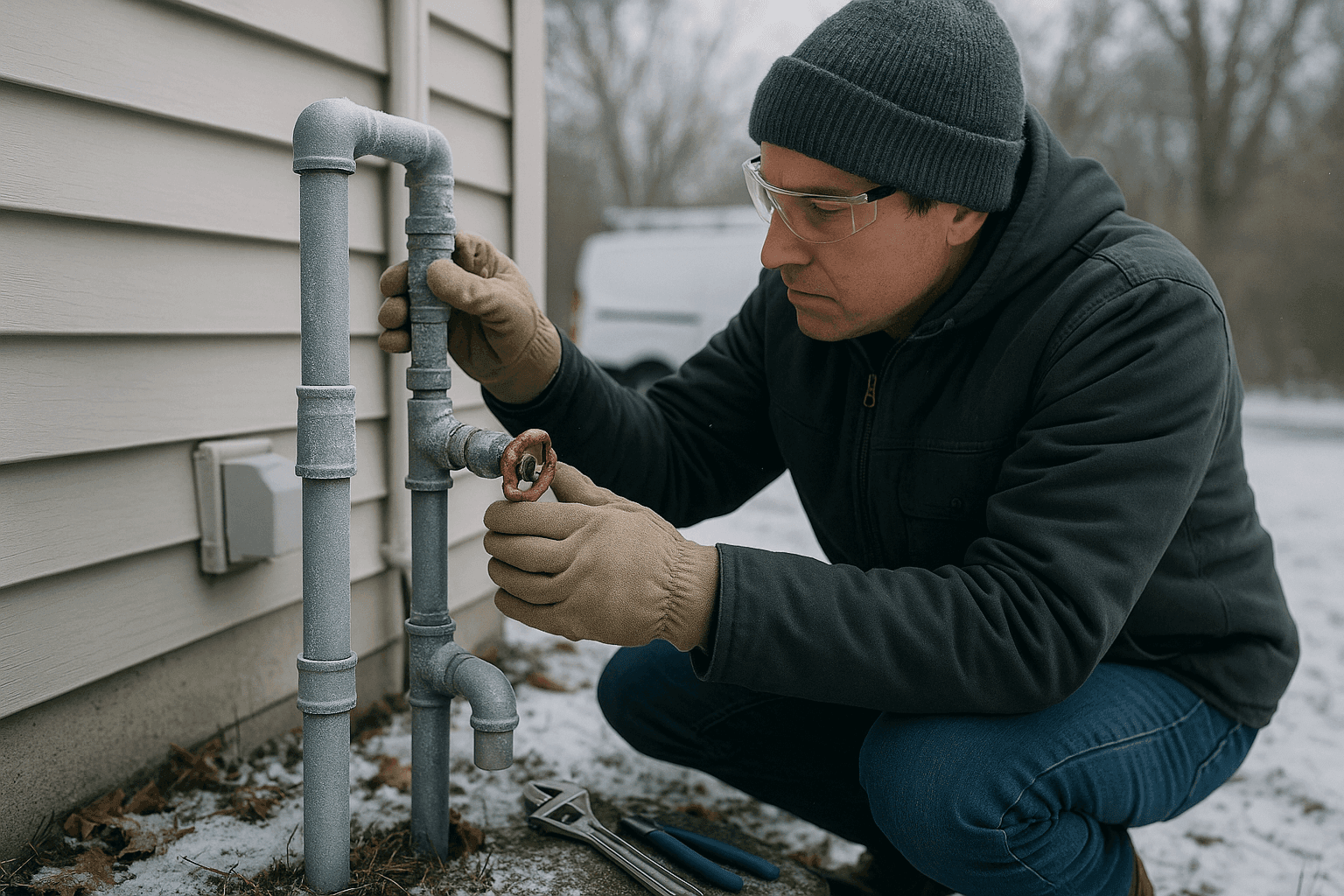
When the weather turns wild, plumbing problems have a way of showing up at the worst possible moment. Frozen pipes, sudden leaks, and unwanted floods can turn a cozy home or busy business into a scene of chaos. At SDC Plumbing, we know that a little preparation goes a long way.
You don’t need to be a plumbing whiz to protect your property. With a few smart steps, you can keep your pipes flowing smoothly—no matter what the forecast throws your way.
Why Storms and Freezes Spell Trouble for Plumbing
Storms and freezing temperatures are like surprise quizzes for your plumbing. Pipes can freeze, crack, or burst under pressure. Heavy rains can overwhelm sump pumps and backflow preventers. Even a mild cold snap can leave you with a chilly, expensive mess.
Common issues caused by severe weather include:
- Frozen or burst pipes
- Blocked drains and sewer backups
- Flooded basements from sump pump failure
- Low water pressure or sudden leaks
- Water heater breakdowns
Think of your plumbing as a network of hidden highways. When storms roll in, traffic jams and accidents are more likely. Staying ahead of the weather helps you avoid costly detours.
Quick Safety Checklist Before the Storm Hits ⚡
A little time now can save a lot of trouble later. Here’s a fast checklist to prep your plumbing for storms or freezes:
- Insulate exposed pipes: Use foam sleeves or wrap pipes in unheated areas (attics, basements, garages).
- Drain outdoor faucets and hoses: Disconnect and store hoses. Shut off outdoor spigots and drain the lines.
- Test your sump pump: Pour water into the pit to make sure it runs and drains properly.
- Check backflow preventers: Ensure valves are working to stop dirty water from flowing backward.
- Seal gaps and cracks: Close up holes in exterior walls where pipes enter your home.
- Know your main shut-off valve: Make sure everyone knows where it is and how to turn it off fast.
- Clear gutters and downspouts: Prevent water from pooling near your foundation.
DIY or Call in the Pros? Knowing Your Limits
Some plumbing prep is simple. Anyone can insulate pipes or drain a hose. But certain jobs—like inspecting gas lines, complex leak detection, or testing backflow devices—call for a professional touch.
DIY tasks:
- Wrapping pipes
- Shutting off outdoor water
- Sealing minor cracks
Call a pro for:
- Testing or replacing sump pumps
- Inspecting backflow preventers
- Detecting hidden leaks
- Gas line checks or repairs
- Major pipe repairs or repiping
Think of it like changing a tire versus rebuilding an engine. Some things are best left to those who do it every day.
What the Plumber Does When They Arrive
When you schedule seasonal plumbing maintenance, here’s what a professional from SDC Plumbing typically does:
- Thorough inspection: Check all exposed pipes for signs of weakness or leaks.
- Sump pump and backflow testing: Make sure safety devices work as intended.
- Leak detection: Use specialized tools to find hidden leaks before they become disasters.
- Water heater check: Inspect for corrosion, leaks, and proper temperature settings.
- Drain checks: Ensure all drains and sewer lines are clear and flowing.
- Safety review: Confirm gas lines, shut-off valves, and pressure regulators are safe and up to code.
We follow recognized safety standards, such as those from the International Plumbing Code and the American Society of Plumbing Engineers, to ensure your system is ready for whatever comes.
Preventative Maintenance: Your Best Defense
An ounce of prevention is worth a pound of repair bills. Regular plumbing checkups can catch small problems before they turn into big ones.
Smart habits include:
- Scheduling annual inspections
- Flushing water heaters to reduce sediment
- Testing sump pumps every season
- Checking for slow drains or odd smells
- Watching for water pressure changes
Preventative maintenance is like brushing your teeth—skip it, and you’ll pay for it later.
Costs & Time Factors: What to Expect
Plumbing prep doesn’t have to break the bank or eat up your whole weekend.
- DIY prep: Insulating pipes and draining hoses can take a few hours and cost less than a family dinner out.
- Professional inspection: Most seasonal checkups are completed in a single visit, often within 1–2 hours, depending on your system’s size and complexity.
- Repairs: Fixing minor leaks or replacing a sump pump may take a few hours. Larger jobs, like repiping, can take a day or more.
Remember, the cost of prevention is almost always less than the cost of emergency plumbing repairs after a burst pipe or flood.
When It’s an Emergency: What to Do
Sometimes, no matter how well you prepare, plumbing emergencies happen. Here’s how to act fast:
- Shut off the main water valve. This stops water flow and limits damage.
- Turn off electricity if water is near outlets or appliances. Safety first.
- Call for emergency plumbing help. Don’t wait—quick action can save your property.
- Open faucets to drain remaining water. This relieves pressure in the pipes.
- Document damage for insurance. Take photos if it’s safe to do so.
If you see water spraying, hear banging pipes, or notice a sudden drop in water pressure, treat it like a fire drill. Every minute counts.
FAQ: Seasonal Plumbing Prep
How cold does it have to get before pipes freeze?
Pipes can freeze when temperatures drop below 32°F (0°C), especially in unheated spaces. Insulation helps, but when in doubt, let faucets drip during deep freezes.
What’s the best way to insulate pipes?
Foam pipe sleeves are easy to install and available at most hardware stores. For extra protection, add heat tape to pipes in very cold areas.
How do I know if my sump pump is working?
Pour a bucket of water into the sump pit. The pump should turn on and drain the water quickly. If it doesn’t, it may need cleaning or repair.
Can I use antifreeze in my plumbing?
Never use automotive antifreeze in household plumbing. For seasonal properties, use only plumbing-safe antifreeze, and follow manufacturer instructions.
Special Considerations for Homes and Small Businesses 🏠
Every building is unique. Older homes may have pipes that are more vulnerable to cold. Businesses with commercial kitchens or public restrooms have extra fixtures and drains to check. If you have a basement, sump pump maintenance is crucial. For properties with gas lines or water filtration systems, seasonal checks are especially important for safety and compliance.
If your building has had plumbing issues during past storms or freezes, consider a professional inspection before the next weather event. Preventative maintenance can help you avoid downtime, lost revenue, or the hassle of emergency plumbing calls.
When the forecast looks rough, don’t wait for trouble to strike. Schedule a seasonal plumbing checkup with SDC Plumbing and keep your home or business safe, dry, and running smoothly—no matter what Mother Nature brings.
Call SDC Plumbing now — or reach us anytime at 888-218-8797 .