How to Prevent Frozen Pipes (and What to Do If They Burst!)
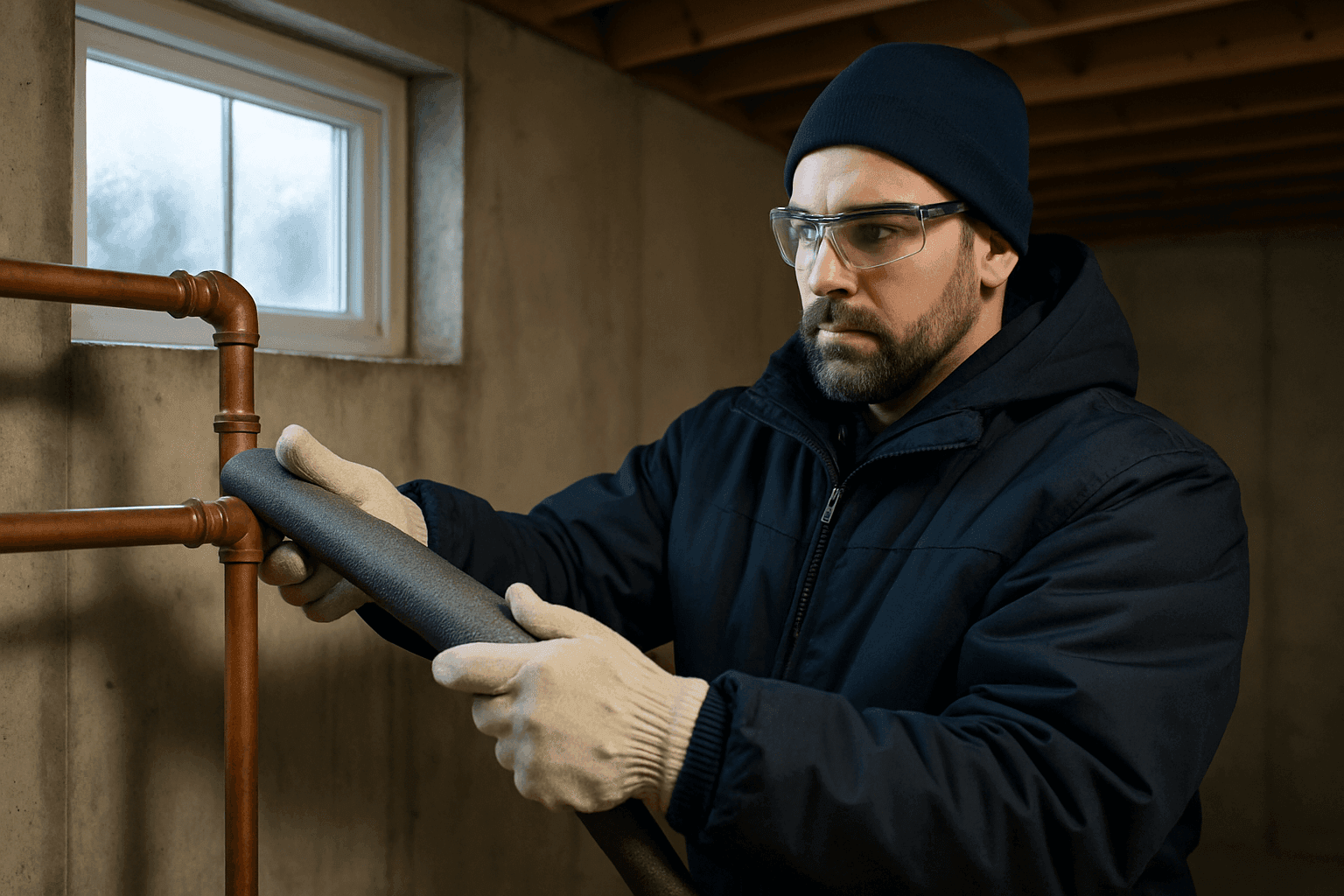
When temperatures drop, pipes don’t just get chilly—they can turn into ticking time bombs. One crack and you’re looking at water gushing out like a busted fire hydrant. If you’ve ever worried about waking up to an indoor skating rink, you’re not alone.
At SDC Plumbing, we’ve seen firsthand how quickly a winter chill can turn into an emergency plumbing disaster. Whether you’re running a business or keeping your home cozy, knowing how to prevent frozen pipes (and what to do if disaster strikes) can save you money, stress, and hours of cleanup.
Why Pipes Freeze ❄️
Pipes are like straws. When water inside them freezes, it expands—pushing outwards with enough force to split metal or plastic. This usually happens in areas exposed to the cold, like basements, crawlspaces, attics, or exterior walls.
But why do some pipes freeze while others don’t? It comes down to:
- Poor insulation
- Sudden temperature drops
- Gaps letting in cold air
- Pipes running through unheated spaces
- Low water flow (if faucets aren’t used for hours)
Even pipes tucked inside walls can freeze if the insulation isn’t up to the challenge. According to the International Plumbing Code (IPC), any piping in unheated areas must be protected from freezing—yet many older buildings fall short.
Prevention Tips: Keeping Pipes Cozy
Stopping pipes from freezing is a bit like bundling up for a snowstorm. The better you prepare, the warmer (and drier) you’ll stay. Here’s how to keep your plumbing system safe:
Insulate Exposed Pipes
Wrap pipes with foam sleeves or fiberglass insulation, available at most hardware stores. Pay special attention to basements, garages, and any pipes close to exterior walls. If you can see your breath, so can your pipes.
Add Heat Tape or Cables
Heat tape acts like an electric blanket for your pipes. When plugged in, it gently warms them—keeping the water inside above freezing. Follow manufacturer instructions and, if unsure, ask a licensed plumber for installation.
Seal Up Drafts
Look for cracks or gaps around windows, doors, and where pipes enter walls. Use caulk or spray foam to keep the cold out and the warmth in.
Open Cabinet Doors
On frigid nights, open cabinets under sinks (especially on exterior walls) so warm air can circulate around the pipes. It’s a simple trick, but it works.
Let Faucets Drip
Keep a slow trickle of water running from faucets connected to at-risk pipes. The movement helps prevent freezing—even a pencil-thin stream can make a difference.
Maintain Indoor Heat
Don’t let your home or business drop below 55°F (13°C), even if you’re away. Set the thermostat and check it regularly.
Drain Outdoor Lines
Disconnect and drain garden hoses. Shut off and drain outdoor spigots using the interior shutoff valve. Store hoses indoors if possible.
Know Your Main Shutoff Valve
Locate your main water shutoff before winter hits. If a pipe bursts, you’ll want to cut off the water fast to limit damage.
What to Do if Pipes Freeze
Sometimes, even the best prep can’t beat a deep freeze. If you turn on a faucet and only a trickle comes out, you might have a frozen pipe.
Here’s what to do:
- Keep the faucet open. As you thaw the pipe, water will begin to flow—this helps melt ice in the pipe.
- Warm the frozen section. Use a hair dryer, heating pad, or warm towels. Start near the faucet and work your way toward the coldest section.
- Never use open flames. Blowtorches, kerosene heaters, or propane stoves are fire hazards and can damage pipes.
- Check for leaks. Once thawed, watch for water escaping from cracks. If you spot a leak, shut off the main water supply and call a plumber.
If you can’t find the frozen spot—or you suspect it’s behind a wall—don’t wait. Reach out to emergency plumbing services like SDC Plumbing. Fast action means less mess later.
Handling Burst Pipes 🚨
If you discover a burst pipe, it’s like finding a hole in your boat. Time is critical. Here’s how to plug the leak before it sinks your day:
1. Turn off the main water supply.
Cutting off water stops the flood. The main valve is usually in the basement, crawlspace, or near the water meter.
2. Shut off electricity if needed.
If water is near electrical outlets or your fuse box, turn off power at the main breaker. Safety first.
3. Drain faucets.
Open all your faucets to remove remaining water and relieve pressure.
4. Catch leaks.
Use buckets, towels, or pans to collect water and protect floors.
5. Document the damage.
Take photos and notes for your insurance company. The more details, the better.
6. Call SDC Plumbing.
Quick professional repair limits damage and gets your pipes (and life) back to normal.
Insurance and Repairs: What to Expect
Water damage from burst pipes can feel overwhelming. The good news? Most homeowners’ and business insurance policies cover sudden water damage from pipe bursts, though not damage due to poor maintenance.
Here’s what helps with claims:
- Notify your insurance company as soon as possible.
- Provide clear photos and records of the damage.
- Save receipts for repairs, including emergency plumbing and water heater repair near you.
- Keep notes on conversations with adjusters or contractors.
SDC Plumbing works closely with insurance providers to make the repair process smoother. We’ll provide detailed invoices and documentation for your claim.
Quick Safety Checklist ✔️
- Know where your main shutoff valve is.
- Insulate pipes in cold areas.
- Use heat tape on vulnerable lines.
- Open cabinets during cold snaps.
- Keep heat on, even if you’re away.
- Drain outdoor faucets before winter.
- Check for drafts near pipes.
A little prep saves a lot of cleanup.
How Pros Respond to Frozen and Burst Pipes
When you call SDC Plumbing for emergency plumbing, here’s what happens next:
- Rapid Response. We arrive fast, day or night, ready to stop the flood.
- Safety Assessment. We shut off water and electricity if needed.
- Leak Detection. Using equipment, we pinpoint the frozen or burst section—even behind walls.
- Repairs and Repiping. We fix the pipe, replace damaged sections, and restore water safely.
- Dry-Out and Restoration. If you need, we’ll recommend steps for drying out affected areas to prevent mold.
- Insurance Support. We help with documentation and walk you through the claims process.
We’re equipped for every scenario, from bathroom plumbing leaks to complex commercial pipe repair.
DIY vs. Call a Pro
DIY can work if:
- The frozen section is exposed and easy to reach.
- No water is leaking from the pipe.
- You have the right tools (hair dryer, towels, insulation).
Call SDC Plumbing if:
- You can’t locate the frozen spot.
- Pipes are hidden behind walls or ceilings.
- Water is already leaking or spraying.
- You need fast, safe repairs—especially in a business or rental property.
Remember, a small leak can turn into a big problem in a hurry.
Preventative Maintenance: Your Winter Plumbing Routine 🧤
Winter plumbing prep isn’t a one-time deal. Make it part of your seasonal checklist:
- Schedule annual inspections for your pipes, sump pump, water heater, and fixtures.
- Ask about backflow prevention and leak detection systems.
- Replace old insulation or consider rerouting pipes for long-term peace of mind.
- Consider installing water shutoff alarms—these can alert you to leaks before you see water.
Check the Uniform Plumbing Code (UPC) for guidelines on pipe insulation and winterization. Professional plumbers stay up to date on code changes and can spot risks you might miss.
Costs & Time Factors
Pipe Insulation:
Basic pipe insulation materials are affordable and can be installed in a weekend.
Heat Tape:
Costs more, but provides extra protection for high-risk pipes.
Emergency Plumbing & Burst Pipe Repair:
Response time matters. The sooner you call, the less water damage you’ll face. Most pipe repairs take a few hours, but water damage restoration may take days, especially if walls, floors, or electrical systems are affected.
Insurance Claims:
Processing times vary, but early documentation helps speed things up.
When It’s an Emergency
Not every freeze is a crisis. But if you notice:
- Water spraying or pooling indoors
- Loss of water pressure throughout your house or business
- Water stains on ceilings, walls, or floors
- A musty smell (possible hidden leak)
That’s when it’s time to call SDC Plumbing—day or night. We’re always on standby for emergencies, from pipe repair to water heater repair near you.
FAQ: Frozen Pipe Questions
Q: How cold does it have to be for pipes to freeze?
A: Pipes can start freezing at 20°F (-6°C) or lower, especially if they’re in uninsulated areas.
Q: Can PVC or PEX pipes freeze?
A: Yes. While PEX is more flexible and can handle freezing better than metal or PVC, any pipe with standing water inside can freeze and burst.
Q: Should I leave faucets dripping all winter?
A: Only during extreme cold spells or if you know a pipe is at risk. Continuous dripping isn’t necessary and may waste water.
Q: What about commercial buildings?
A: Larger spaces often have more pipes exposed to the cold. Schedule regular inspections and consider advanced leak detection systems.
Local/Seasonal Considerations: Surviving Winter in Cold Climates 🌨️
If you live in a region where winter storms are as common as snow days, take extra precautions:
- Insulate pipes in garages, crawlspaces, and outbuildings.
- Monitor outdoor temperatures—consider smart thermostats for remote alerts.
- Prepare for power outages with battery-powered heaters or backup generators.
- Winterize vacant properties—drain all water lines or keep heat running.
Remember, every building is different. What works for one home or business might not be enough for another. SDC Plumbing can help assess your specific risks and recommend a plan that fits your needs.
Don’t let winter catch you off guard. If you suspect frozen or burst pipes, or want a winter plumbing checkup, we’re here to help—24/7.
Call SDC Plumbing now — or reach us anytime at 888-218-8797 .