How to Prevent Frozen Pipes This Winter: Complete Homeowner Guide
Winter can turn peaceful pipes into ticking time bombs. One cold snap, a forgotten corner in the basement, and suddenly you’re mopping up a disaster no one budgeted for. At SDC Plumbing, we’ve seen more than our share of frozen pipe emergencies, from cozy homes to busy commercial kitchens, and we know just how quickly a little ice can become a big, expensive mess.
Let’s break down what you need to know—without the scare tactics or jargon. Just honest, practical advice so you can keep the water flowing and avoid the headaches that come with winter’s chill.
Why Pipes Freeze
Water is sneaky. When it gets cold, it expands—turning quiet pipes into bursting seams. The U.S. Department of Energy notes that pipes most at risk are those in unheated spaces such as basements, attics, crawl spaces, and exterior walls. If you’ve ever walked barefoot across a chilly floor, imagine how your pipes feel in those spots.
- Uninsulated pipes: These are the easy targets for Jack Frost.
- Pipes along exterior walls: Less warmth from your home, more exposure to the cold.
- Basements and crawl spaces: Out of sight, out of mind...until something goes wrong.
- Commercial buildings: Large spaces or old infrastructure can hide vulnerable pipes in unexpected spots.
When temperatures dip below 20°F (-6°C), even “mild” regions aren’t safe. That’s why SDC Plumbing handles freeze-ups from northern blizzards to southern cold snaps.
DIY Prevention Steps 🧤
You don’t need a toolbox the size of a truck to take simple precautions. A little effort now saves a lot of stress later.
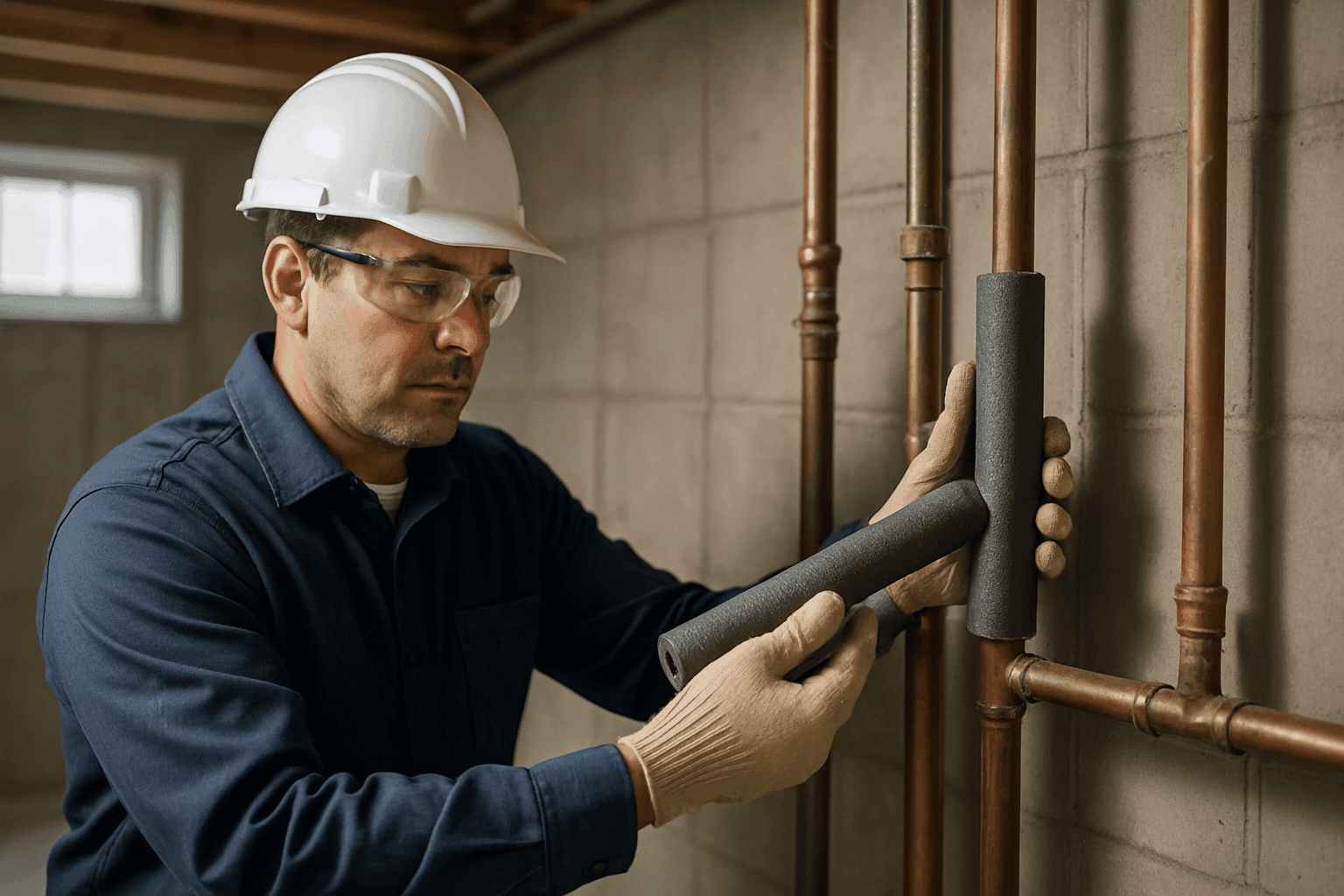
- Insulate exposed pipes: Foam pipe sleeves or even thick towels work in a pinch. Focus on pipes near exterior walls or in unheated spaces.
- Seal up drafts: Cold air loves to sneak through cracks near windows, doors, and pipe holes. Use caulk or weatherstripping to block the breeze.
- Keep the heat on: Set your thermostat at 55°F (13°C) or higher, especially if you’re leaving town.
- Open cabinet doors: Let warm air circulate around pipes under sinks—especially those against exterior walls.
- Let faucets drip safely: A slow trickle can keep water moving, making it harder for ice to form. Don’t overdo it; a steady drip is enough.
- Disconnect garden hoses: Shut off and drain outdoor spigots to prevent ice from sneaking into your interior pipes.
These habits are recommended by the International Code Council and the American Red Cross. They’re easy, effective, and won’t wreck your weekend.
Professional Solutions 🛠️
Sometimes, you need a little more muscle or know-how to safeguard your plumbing.
- Pipe rerouting: SDC Plumbing can move vulnerable pipes away from unheated spaces, minimizing risk for the next cold snap.
- Advanced insulation: For pipes that can’t be moved, we offer high-grade insulation or heat tape—especially important for commercial properties or older homes.
- Smart leak detectors: Technology can catch leaks before they become floods. Devices like automatic shut-off valves and water sensors are becoming industry standard for both homes and businesses.
Our team is trained to match the solution to your building’s unique needs—no cookie-cutter fixes.
What to Do If Pipes Freeze
You hear clanking. Maybe water pressure drops or stops. Don’t panic—but act fast.
Early Warning Signs
- Little or no water from taps: Especially in the morning after a cold night.
- Frost on pipes: A telltale sign that trouble is brewing.
- Bulging or damp spots on walls/ceilings: Sometimes pipes freeze out of sight, but the damage shows up elsewhere.
Safe Thawing Tips
- Turn off the water supply to the affected area if possible.
- Open the faucet so steam and melting ice have somewhere to go.
- Apply gentle heat: Use a hair dryer, heating pad, or warm towels. Never use an open flame or leave electrical appliances unattended.
- Check for leaks: Once thawed, watch closely for any drips or puddles—frozen pipes can crack without bursting immediately.
When to Call a Pro
If you can’t find the frozen spot, or thawing isn’t working, it’s time to call SDC Plumbing. If you spot leaks, water stains, or hear hissing, don’t wait—professional intervention prevents bigger disasters.
SDC Plumbing’s 24/7 Freeze Response Experience ❄️
Winter emergencies don’t follow a schedule. That’s why SDC Plumbing is always on call, ready to help with frozen pipe bursts or water heater repair near you, day or night. Whether you’re in a snowbelt city or a region that rarely dips below freezing, our techs know how to handle every scenario. We come equipped for residential and commercial jobs, from small apartments to sprawling office parks.
Our solutions are based on years of real-world experience, up-to-date with local codes and safety guidelines.
Local and Seasonal Considerations
No two winters are alike. A deep freeze in Texas can cause as much damage as in Minnesota, simply because homes and businesses aren’t built for it. SDC Plumbing adapts to local building codes, insulation standards, and seasonal patterns—offering advice that fits your climate, not just a northern playbook.
FAQ: Frozen Pipes & Prevention
How cold does it have to get for pipes to freeze?
Generally, pipes begin freezing at 20°F (-6°C), but wind and drafts can lower the threshold inside.
Can I use space heaters to thaw pipes?
Yes, but be careful. Never leave heaters unattended, and don’t use open flames.
Does leaving the heat on waste energy?
It uses more energy, but it’s far cheaper than repairing water damage from a burst pipe.
What if I rent?
Talk to your landlord about prevention—many steps, like opening cabinets or letting taps drip, you can do yourself.
Practical Prevention & Maintenance
- Schedule annual inspections: A licensed plumber can spot risks before they become emergencies.
- Maintain your water heater: Hot water pipes are less likely to freeze, and reliable hot water is crucial during cold snaps.
- Upgrade plumbing where needed: Old, corroded pipes are more likely to split when they freeze.
- Backflow testing: In some regions, frozen pipes can cause backflow or contamination—SDC Plumbing offers certified testing and prevention services.
Costs & Time Factors
Frozen pipe repair costs can range widely. Minor thawing is inexpensive and quick—often under an hour. But a burst pipe, especially in a hidden spot, can mean hours of labor, drywall repair, and even mold remediation. Emergency plumbing calls are always more costly than preventative maintenance, so invest time now to save money (and stress) later.
When It’s an Emergency 🚨
If you see water pouring out, hear hissing, or suspect a gas line issue, it’s time for immediate action. Shut off your main water valve and call SDC Plumbing right away. Our emergency plumbing team responds 24/7, minimizing damage and restoring safety fast.
Winter can be beautiful—but it shouldn’t be a plumbing nightmare. With the right prevention steps and a reliable emergency plumbing partner, you can stay cozy and dry all season long.
Call SDC Plumbing now — or reach us anytime at 888-218-8797 .