Preventative Plumbing Maintenance: The Annual Checklist
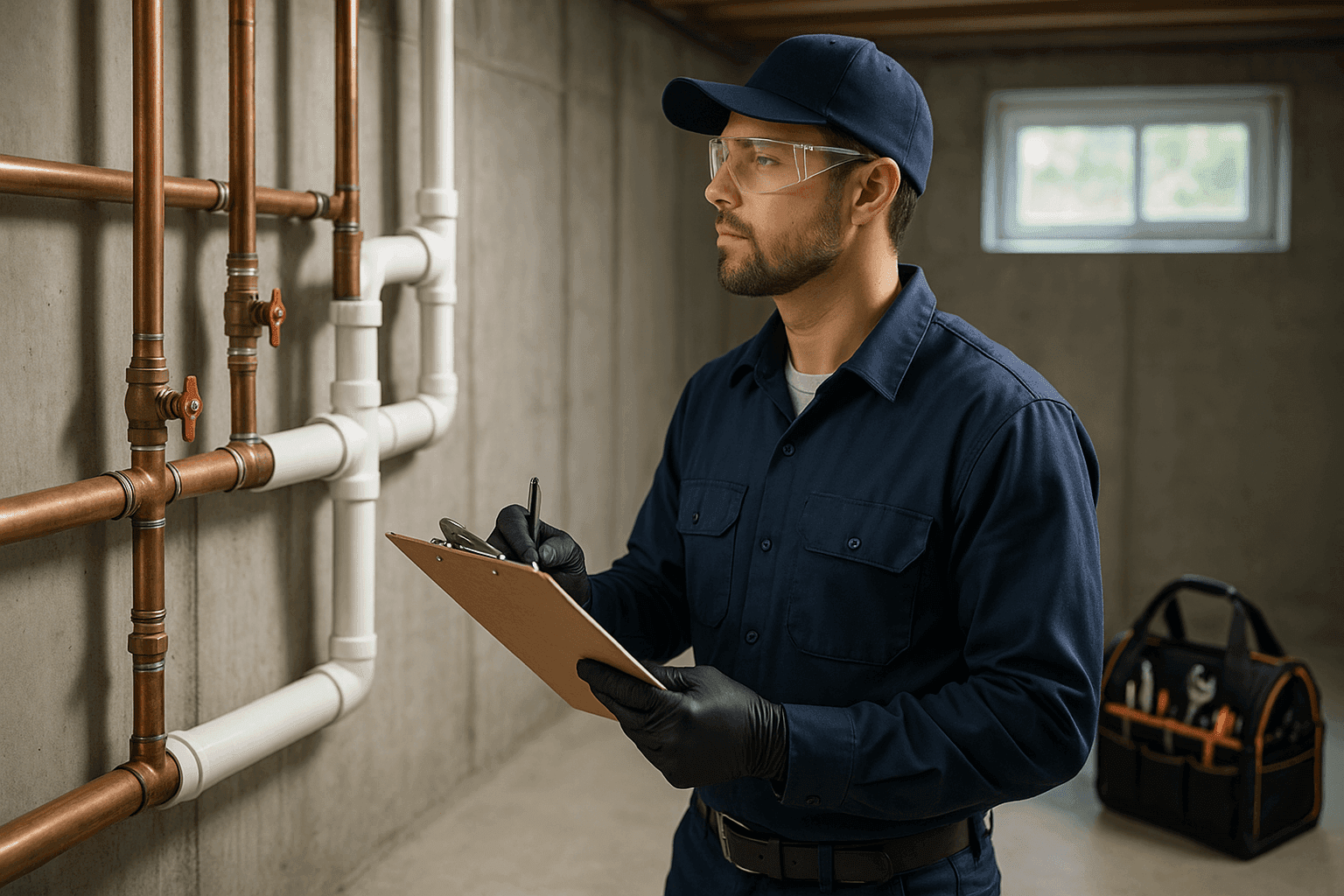
Plumbing rarely gives warnings before disaster strikes. One day, you’re sipping coffee—the next, your kitchen’s a wading pool. At SDC Plumbing, we know the silent signs that spell trouble, and how a simple annual routine can save you from big, soggy headaches.
This isn’t just for the handy homeowner. Whether you run a busy café or care for a century-old house, plumbing prevention is the shield that keeps costs down and emergencies at bay.
Why Maintenance Matters 🛠️
Think of plumbing like the veins of your building. Tiny leaks and slow drains are like blocked arteries—left alone, they can lead to sudden, expensive cardiac arrest (in plumbing terms: burst pipes or floods).
Water damage is a silent thief. According to the Insurance Information Institute, water-related claims are among the most common and costly for both homeowners and businesses. Emergency plumbing repairs can run into thousands—but with a yearly checkup, many disasters are avoidable.
Annual maintenance pays you back in peace of mind, lower bills, and a longer life for every pipe, valve, and fixture.
Annual Plumbing Checklist
Keeping plumbing in good shape isn’t just about reacting—it’s about building a habit. Here’s the annual checklist SDC Plumbing recommends for every property:
- Inspect for leaks: Under sinks, around toilets, behind appliances, and at exposed pipes.
- Test water pressure: Too low or too high? Both spell trouble.
- Check drains: Slow draining or gurgling noises mean clogs are brewing.
- Look at water heater: Listen for odd noises, check for rust, and confirm temperature settings.
- Test shut-off valves: Make sure they turn easily in an emergency.
- Examine exposed pipes: Look for corrosion, moisture, or mineral build-up.
- Inspect sump pump: Pour water in to test its response.
- Check toilets and faucets: Listen for running water and drips.
- Review appliance hoses: Washing machines, dishwashers, and ice makers.
- Backflow prevention: Ensure devices are working and tested as required by code.
What to Inspect: Room by Room
Kitchen
- Sink pipes and garbage disposal for leaks or strange noises.
- Dishwasher and refrigerator water lines for brittleness or drips.
- Faucet aerators for mineral buildup.
Bathroom
- Around toilets: soft flooring, pooling water, or musty smells.
- Showerheads and tub drains for slow flow.
- Under-sink pipes for leaks and moisture.
Utility Room/Basement
- Water heater: check for puddles, rust, or hissing.
- Washing machine hoses: look for bulges or cracks.
- Sump pump: test operation and clear debris.
Whole Property
- Exterior hose bibs for leaks after winter.
- Main shut-off valve—confirm it’s accessible and turns smoothly.
- Visible pipes in crawl spaces or basements for leaks, rust, or condensation.
Professional vs. DIY Tasks
Some plumbing maintenance can be handled with basic tools and a sharp eye. Other jobs need a licensed professional—especially when warranties, safety codes, or gas lines are involved.
DIY-Friendly Tasks
- Tightening loose faucet handles.
- Cleaning faucet aerators and showerheads with vinegar.
- Regularly running water in seldom-used sinks to keep traps from drying out.
- Checking under sinks for drips.
Leave These to the Pros
- Water Heater Repair near you: electrical and gas systems can be dangerous.
- Sewer line inspection: requires specialized cameras and expertise.
- Repiping, gas safety checks, and backflow testing: these could void insurance if done incorrectly.
- Leak detection in walls or under concrete.
- Backflow prevention device installation or repair.
A good rule of thumb: If you need to shut off gas or water to the whole property, or if you’re not sure, call SDC Plumbing.
What Pros Do On Arrival
When you book annual maintenance, here’s what a licensed plumber checks:
- Full visual inspection of all accessible pipes, fixtures, and valves.
- Water pressure and flow rate testing.
- Dye testing toilets for hidden leaks.
- Camera inspection of main sewer line (if symptoms suggest it).
- Reviewing water heater function and safety features.
- Testing sump pump and backup systems.
- Checking for code compliance and safety hazards.
- Written report with findings and repair recommendations.
Plumbers carry specialized tools to spot issues invisible to the naked eye—like thermal cameras for leak detection or pressure gauges for subtle line issues.
Prevention & Maintenance
A stitch in time saves nine. Here’s what you can do year-round:
- Don’t ignore drips. A single leaky faucet can waste over 3,000 gallons a year (EPA).
- Avoid chemical drain cleaners. They can eat pipes from the inside out.
- Insulate pipes before winter. Prevents freezing and bursts.
- Flush water heater. Removes sediment and extends life—most manufacturers recommend annually.
- Clean out traps. Monthly attention to sink, shower, and floor traps keeps clogs away.
- Know your main shut-off. In an emergency, seconds count.
Costs & Time Factors
Annual plumbing maintenance isn’t free, but compared to the cost of a flooded basement or ruined drywall, it’s a bargain.
- Time: Expect a professional visit to take 1–2 hours, depending on property size and issues found.
- Cost range: Varies by location, property type, and complexity. Residential inspections are usually at the lower end; commercial properties may need more time and testing.
- Savings: Early intervention can save thousands by preventing water damage, mold, and emergency plumbing calls.
Remember: Regular checkups can help maintain warranties on fixtures, heaters, and filtration systems. Many manufacturers require proof of licensed maintenance for claims.
When It’s an Emergency
No matter how careful you are, plumbing can still throw a curveball. Call for emergency plumbing if you notice:
- Gushing water from pipes or fixtures.
- No water at all (could be a main break).
- Sewage backing up into drains or toilets.
- Gas odors near appliances or pipes.
- Water heater leaks or no hot water.
In these cases, don’t wait—shut off your main valve (and gas, if needed) and call SDC Plumbing immediately.
FAQ
How often should I schedule professional plumbing maintenance?
At least once a year for most properties. Older buildings or businesses with heavy use may need twice-yearly checks.
Can I use store-bought drain cleaners for clogs?
It’s better to use a plunger or hand snake. Chemical cleaners can damage your pipes and may violate warranty terms.
Do I really need backflow testing?
Yes—local codes (such as the Uniform Plumbing Code) often require annual testing, especially for commercial or multi-unit buildings.
What’s the first thing to do during a major leak?
Shut off your main water supply valve and call for emergency plumbing help.
Local & Seasonal Considerations 🌦️
Climate matters. In colder areas, pipe insulation and winterization are crucial—frozen pipes are a common cause of burst lines. In humid regions, watch for mold and corrosion. Businesses with public restrooms or kitchens should schedule more frequent checks, especially before peak seasons.
Always review local building codes for specific requirements on backflow prevention, water heater safety, and sewer line inspections. The International Association of Plumbing and Mechanical Officials (IAPMO) and local authorities are reliable resources for up-to-date standards.
Regular plumbing maintenance is your best defense against nasty surprises. Don’t wait for a drip to become a disaster.
Call SDC Plumbing now — or reach us anytime at 888-218-8797 .