Repiping 101: When, Why, and How to Replace Your Pipes
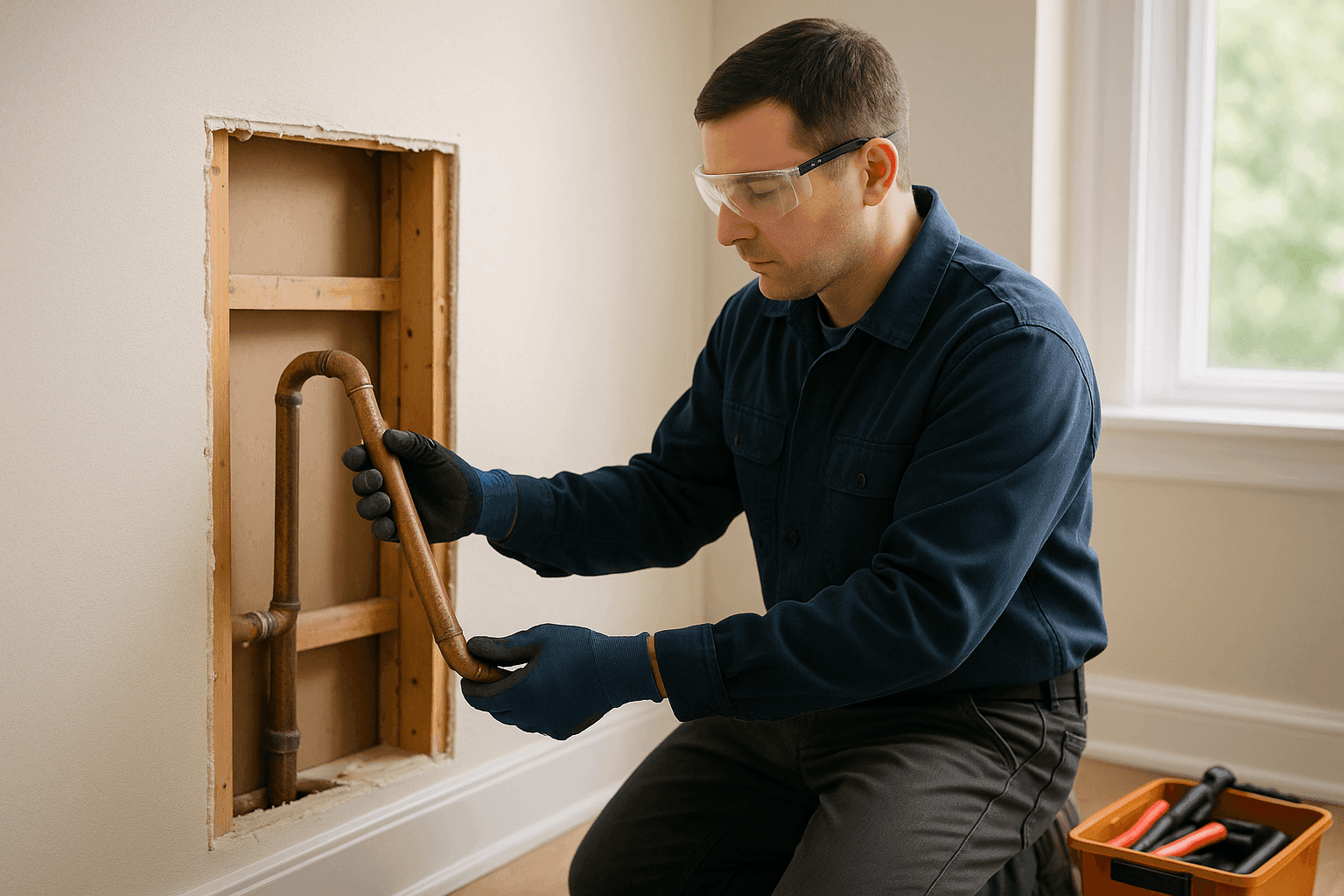
Imagine waking up to the sound of water running where it shouldn’t. Or maybe your morning shower goes from a steady flow to a sad trickle. Pipes are the silent veins of your home or business, carrying water where you need it—until they don’t.
At SDC Plumbing, we see firsthand how old or failing pipes can sneak up on property owners and create a real emergency. Whether it’s rusty water, leaky walls, or a flood at midnight, knowing when to repipe can save you from disaster. Here’s what you need to know.
What Is Repiping? 💧
Repiping is just what it sounds like: removing old water pipes and installing new ones throughout your building. It’s a major project—think of it like a heart transplant for your plumbing. Instead of patching leaks one by one, you get a fresh start.
This process is different from a simple repair. It’s not about fixing a single leak or replacing a section. Repiping tackles the entire network, often wall-to-wall. Homes and businesses with pipes over 50 years old or made of outdated materials are the usual candidates.
Signs You Need Repiping
Sometimes, your plumbing tries to tell you something. Here’s how to listen:
- Rusty or Discolored Water: If your clear tap water turns brown, red, or yellow, that’s a red flag. Old galvanized pipes often cause this.
- Low Water Pressure: Pressure dropping in the shower or kitchen sink? Corrosion or buildup inside old pipes could be the culprit.
- Frequent Leaks: Patching leaks over and over? The problem might be the whole system, not just one spot.
- Visible Corrosion: Green, white, or rusty stains on exposed pipes mean trouble.
- Strange Noises: Banging, rattling, or whistling pipes aren’t just annoying—they can signal failing pipes.
Corrosion, mineral buildup, and pipe material age all play a role. In some regions, hard water speeds up pipe decay, while older neighborhoods often have plumbing that’s simply past its prime.
Types of Piping Materials
Not all pipes are created equal. Here’s what you’ll find in most buildings—and what’s popular for repiping today:
Old-School Pipes (Know the Risks)
- Galvanized Steel: Once the go-to for decades, these pipes rust from the inside out. They’re ticking time bombs for leaks and water quality.
- Polybutylene: Used in the late 20th century, these gray or blue pipes are prone to sudden failure.
- Copper (Early Generations): Early copper pipes can develop pinhole leaks, especially where water is acidic.
Modern Choices for Repiping
- Copper: Durable, resists bacteria, and stands the test of time. It’s pricier but reliable.
- PEX (Cross-linked Polyethylene): Flexible, easy to install, and cost-effective. It’s great for tight spaces and resists freezing.
- CPVC (Chlorinated Polyvinyl Chloride): Resists corrosion and is suitable for both hot and cold water. It’s affordable and safe for drinking water.
Each material has pros and cons. For example, copper handles high heat, while PEX shines in colder regions. Local codes and water conditions matter, so always work with a licensed plumber who understands your area.
The Repiping Process
Worried it’s a huge mess? It’s true—repiping is a big job, but with good planning, disruption can be managed. Here’s how SDC Plumbing approaches it:
- Assessment: We inspect your plumbing, often using cameras to check inside pipes.
- Material Choice: We help you choose the right pipes for your needs, water quality, and budget.
- Preparation: Furniture is moved, floors and walls are protected, and water is shut off as needed.
- Installation: Old pipes are removed, and new ones are carefully installed. This might involve opening up walls, ceilings, or floors.
- Testing: Water is turned back on and the new pipes are tested for leaks and pressure.
- Restoration: Walls and surfaces are patched and cleaned up.
Most residential repiping projects take 2–5 days, depending on the size of the property. Commercial buildings and older homes can take longer, especially if access is tricky.
Cost Factors 💲
How much will it cost? That depends on:
- Building Size: More pipes mean higher costs.
- Pipe Material: Copper costs more than PEX or CPVC.
- Accessibility: Hard-to-reach pipes, slab foundations, or historic buildings add labor.
- Permits and Code Compliance: Licensed plumbers ensure all work meets local plumbing codes—this protects your safety and property value.
For typical homes, the range is wide, from several thousand dollars upward. Commercial plumbing projects can vary even more. But remember: patching leaks endlessly often ends up costing more in the long run.
Regional Pipe Issues
Pipes don’t age the same everywhere. In regions with hard water, mineral buildup can choke pipes faster. Areas with acidic water erode copper more quickly. Older neighborhoods may have lead lines or galvanized steel, both risky for health and longevity. Flood-prone areas need pipes that resist corrosion and shifting soil.
Always choose a plumber who knows your local codes and water conditions. At SDC Plumbing, our licensed and insured pros stay up to date on regulations from sources like the International Plumbing Code (IPC) and local municipal guidelines.
How to Assess Your Risk
Not sure if you need repiping? Here’s a quick checklist:
- Is your property over 40 years old?
- Do you see rust, leaks, or water stains?
- Has water pressure dropped suddenly or steadily over time?
- Are you making frequent plumbing repairs?
- Is your water discolored, or does it taste metallic?
If you answered yes to more than one, it’s time for a professional inspection.
Practical Tips for Home & Business Owners
- Check Exposed Pipes: Basements, utility rooms, and crawl spaces often show the first signs of trouble.
- Schedule Regular Maintenance: Annual inspections catch problems early.
- Know Your Water: Get a water quality report from your city or county. High mineral content can speed up pipe corrosion.
- Don’t Ignore Changes: Sudden pressure drops or water color changes are your warning lights.
Licensed, Insured, and Code-Compliant Work 🛠️
Repiping isn’t a DIY job. Proper installation protects your property and meets building codes. Licensed plumbers like those at SDC Plumbing carry insurance and follow all safety regulations—your peace of mind (and property value) depend on it.
The Uniform Plumbing Code and International Plumbing Code set standards for safe, reliable installations. Always ask your plumber about permits and inspections.
Frequently Asked Questions
How long does a repiping project take?
Most homes can be repiped in 2–5 days. Commercial sites or complex layouts may take longer.
Will my water be shut off the whole time?
No. Water is usually off for a few hours each day, not the entire project.
Can I stay in my home or business during repiping?
Usually, yes. We work in sections to minimize disruption, and clean up after ourselves each day.
What materials are best for my building?
It depends on your water quality, climate, and budget. Copper, PEX, and CPVC are all strong choices—your plumber can help you decide.
Planning Your Repiping Timeline
- Inspection & Quote: 1–2 days
- Permits: Varies by location (1–5 days)
- Repiping Work: 2–7 days, depending on size
- Restoration: 1–2 days for patching walls or cleanup
Speed depends on access, building age, and surprises behind the walls. Setting realistic expectations helps everything go smoother.
Safety and Building Codes
Safety always comes first. Repiping projects must comply with codes set by the International Association of Plumbing and Mechanical Officials (IAPMO), and local municipalities. This ensures your water is safe and your building is protected from leaks, burst pipes, or even gas line mishaps.
Local & Seasonal Considerations 🌦️
In colder regions, pipes are more vulnerable to freezing and bursting. In high-mineral areas, scaling clogs pipes faster. Coastal zones see more corrosion due to salty air. Your plumber should know the local quirks—SDC Plumbing stays sharp on every regional challenge.
When It’s an Emergency
A burst pipe at midnight isn’t just a hassle—it’s a full-blown emergency plumbing situation. If you see water pooling, hear running water behind a wall, or lose all pressure, call for help right away. Quick action can save thousands in damage and keep your property safe.
Ready for peace of mind and pipes you can trust? Call SDC Plumbing now — or reach us anytime at 888-218-8797 .