Sewer Line Inspections: Why They Matter for Home Buyers & Owners
Buying or owning a property is a major milestone. But there’s an invisible threat lurking beneath every home and business: the sewer line. A cracked, clogged, or aging sewer line can turn your dream into a nightmare overnight. At SDC Plumbing, we’ve seen the fallout—unexpected emergencies, sky-high repair bills, insurance headaches.
That’s why understanding sewer line inspections matters. Whether you’re a cautious buyer or a diligent owner, this is one step you can’t afford to skip.
What Is a Sewer Line Inspection? 🕵️
A sewer line inspection is a close look at the pipe that carries waste from your property to the main city sewer or septic system. Think of it as a health checkup for your plumbing’s backbone.
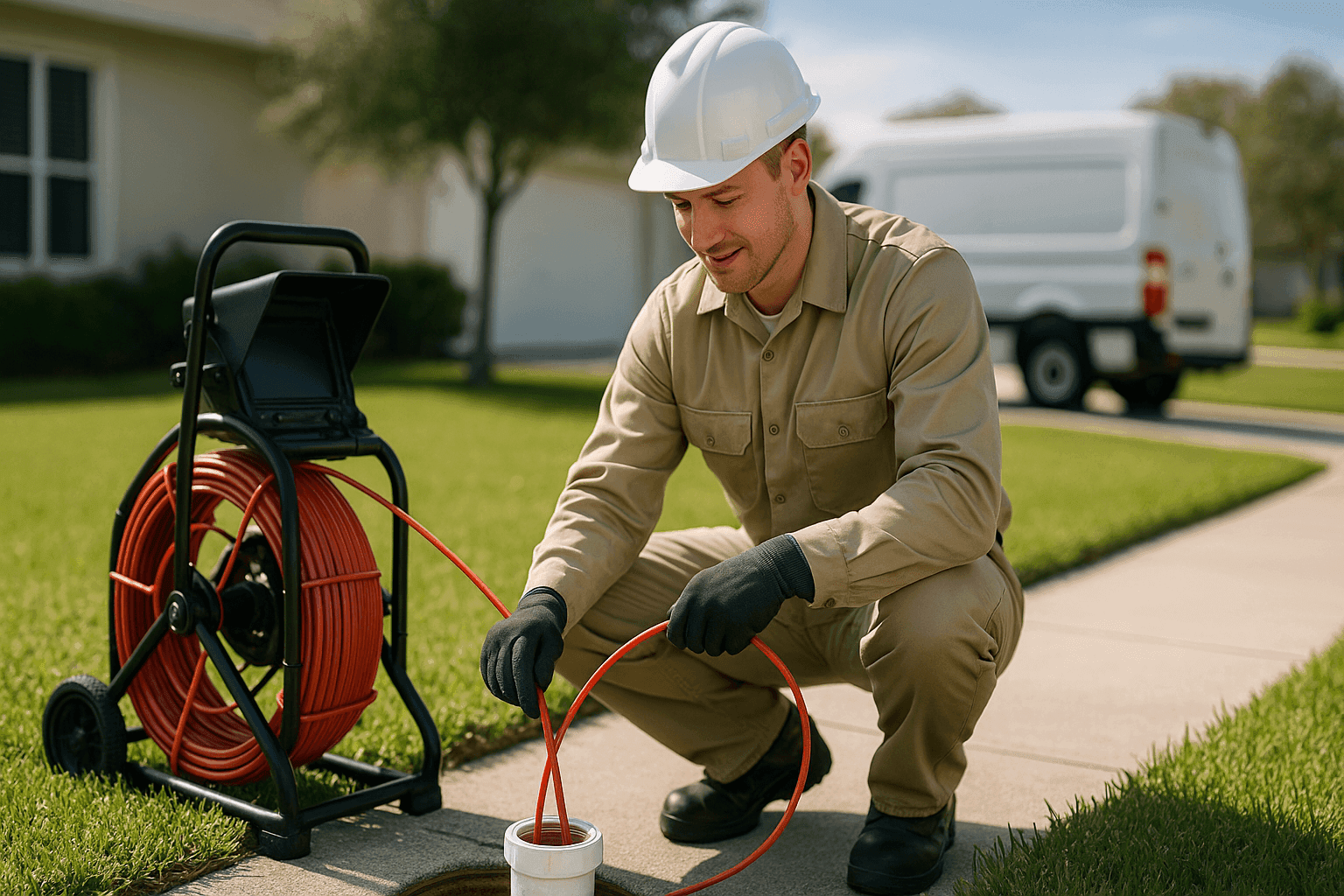
Instead of guessing what’s going on underground, plumbers use a special waterproof camera. This camera snakes through the pipe, sending real-time video to a monitor above ground. It’s like having X-ray vision—no digging, no guesswork.
A thorough inspection can reveal:
- Tree root invasions
- Cracks, corrosion, or sagging pipes
- Blockages from grease, wipes, or debris
- Evidence of leaks or backflow risk
This information arms you with facts, not hunches, about your property’s plumbing health.
Benefits for Buyers and Owners
You wouldn’t buy a car without looking under the hood. The same goes for your sewer line.
For Home Buyers
- No nasty surprises: Hidden plumbing problems can cost thousands. An inspection catches them early.
- Negotiating power: You can request repairs or price reductions before closing.
- Peace of mind: Know your investment is safe below ground, not just above it.
For Property Owners
- Prevent emergency plumbing calls: Spot trouble before it erupts into a full-blown disaster.
- Save on repairs: Fixing a small crack is far cheaper than replacing a collapsed pipe.
- Protect insurance coverage: Many policies require proof of maintenance or inspection for claims (see Insurance Information Institute guidelines).
A sewer line inspection is like reading the fine print before signing—skip it, and you’re rolling the dice.
How Camera Inspections Work
Picture a tiny submarine cruising inside your pipes. That’s the camera—flexible, waterproof, and tough as nails.
Here’s how the process goes:
- Access point: The plumber finds a cleanout (an access pipe, often outside or in a basement).
- Camera time: The camera is inserted and slowly guided through the line.
- Live video feed: You and your plumber watch what’s happening—tree roots, blockages, cracks, all revealed in real time.
- Recorded evidence: The footage is saved for reference. This is your video “receipt”—unbiased proof of any issue.
- Report provided: You get a clear, jargon-free report with findings and recommendations.
This method is quick, minimally disruptive, and far more reliable than guessing based on symptoms alone.
What to Expect
Not sure what’s going to happen when you book an inspection? Here’s what you can count on with SDC Plumbing:
- Fast appointment scheduling: We know emergencies can’t wait.
- Transparency: You see the video evidence for yourself—no hidden surprises.
- Unbiased reporting: You get the facts, not a sales pitch.
- Clear next steps: If there’s a problem, you’ll know your options.
Expect the whole process to take about an hour, depending on the length and condition of your sewer line.
Hidden Issues Sewer Inspections Reveal 🛑
Sewer problems don’t always show up as flooded basements or smelly drains. Some signs are easy to miss until it’s too late.
Common hidden issues include:
- Offset joints: Pipes shift underground, creating catch points for waste.
- Bellied lines: Sags in the line trap water and solids, leading to blockages.
- Root intrusion: Roots creep in, seeking moisture, and slowly choke the pipe.
- Deteriorating material: Older homes may have clay or cast iron pipes that crumble over time.
Ignoring these problems is like ignoring a slow leak in your roof—eventually, the damage adds up.
Cost Savings and Insurance: The Real Math
Let’s be honest—nobody likes spending money on things they can’t see. But a sewer line inspection can actually save you thousands.
- Catching small issues early: Fixing a minor blockage or crack costs far less than repairing a collapsed line.
- Insurance claims: Some insurers may deny claims if you haven’t maintained or inspected your sewer system (see Insurance Information Institute for guidelines).
- Negotiating home purchases: Uncover problems before you buy, and you can negotiate repairs or a lower price.
Think of an inspection as cheap insurance against the unexpected.
When Should You Inspect Your Sewer Line?
Timing is everything. Here are key moments to schedule an inspection:
- Before buying a property: Always. Even in new builds, mistakes happen.
- Before selling: Show buyers your property is problem-free.
- After major landscaping: Tree roots can shift and invade lines.
- If you notice slow drains, gurgling toilets, or foul smells.
- Every few years: Preventative maintenance keeps surprises at bay.
Don’t wait until it’s a full-fledged emergency plumbing situation.
Real-World Safety Checklist
Before arranging an inspection, check these off:
- Locate your main cleanout access (ask your plumber if unsure)
- Clear the area around the access point
- Let your plumber know about recent plumbing work or drain cleaners used
- Ask for the inspection to be recorded for your records
Following these steps keeps the visit swift and safe for everyone.
Can You DIY a Sewer Inspection?
Short answer: Not really.
- Equipment is specialized: Those cameras aren’t your average smartphone.
- Risk of damage: Forcing the camera can cause more harm than good.
- Interpreting footage: It takes trained eyes to spot subtle pipe problems.
Still, you can watch the process and ask questions. SDC Plumbing believes in transparency—no smoke and mirrors.
What to Expect from a Pro
When SDC Plumbing arrives, here’s what happens:
- We introduce ourselves and explain each step.
- We locate the main cleanout.
- The camera is inserted gently into the line.
- You watch the live video feed with us.
- We point out any issues in plain language.
- You receive a report and video file for your records.
No guesswork. No hidden upsells. Just the answers you need.
Preventing Future Headaches
A little attention now saves a lot of pain later.
- Don't flush wipes, grease, or “flushable” products.
- Trim trees and shrubs near sewer lines.
- Schedule regular inspections—especially if your property is older.
- Fix small leaks promptly (see EPA WaterSense guidelines).
- Install backflow prevention devices if required by local code.
These small steps go a long way in avoiding emergency plumbing calls.
Costs & Time Factors
- Time: Most inspections take 45–90 minutes.
- Cost: Prices can vary depending on access, pipe length, and location, but it’s a fraction of the cost of a full repair.
- Add-ons: If problems are found, follow-up repairs like pipe repair or repiping will be quoted separately.
Remember, catching issues early is always less expensive than rebuilding after a sewer failure.
When It’s an Emergency
Some problems can’t wait.
- Multiple drains back up at once
- Raw sewage in the yard or basement
- Sudden, foul odors throughout your property
- Gurgling or bubbling toilets
If you see these signs, call for emergency plumbing help right away. Fast action can prevent further damage and expensive cleanup.
FAQ
How often should I get a sewer line inspection?
Most experts recommend every 3–5 years, or before buying or selling a property.
Is camera footage really unbiased?
Yes—the camera shows what’s there, not what anyone “thinks” is there. You get a copy for your records.
Will a sewer line inspection disrupt my day?
Not at all. Most inspections are non-invasive and only take an hour or two.
What if a problem is found?
You’ll receive a clear report, video evidence, and recommendations for next steps—no pressure, just the facts.
Local and Seasonal Considerations 🌧️
Seasonal shifts can affect your sewer line.
- Spring: Melting snow and rain can saturate soil, shifting pipes and causing bellies or cracks.
- Fall: Tree roots grow aggressively, seeking warmth and water.
- Old neighborhoods: Older pipes (clay, cast iron) are more likely to have age-related issues.
If you live in an area with heavy rainfall, mature trees, or historic homes, schedule inspections more often.
Don’t let hidden sewer line problems drain your wallet or peace of mind. Whether you’re buying, selling, or just want to protect what you own, a sewer line inspection delivers answers—not surprises.
Call SDC Plumbing now — or reach us anytime at 888-218-8797 .