Sewer Line Problems: Signs, Solutions, and When to Call a Pro
Sewer line issues can sneak up on you. One day, everything’s flowing fine. The next, there’s an odd smell, a suspicious patch of soggy grass, or—worst of all—a backed-up toilet. When your home or business depends on reliable plumbing, even a minor sewer problem feels urgent.
At SDC Plumbing, we know how stressful these situations can get. Sewer lines are out of sight, but ignoring the warning signs can cause major headaches. Let’s break down what to look for, what causes trouble, and how to handle repairs—so you know when to roll up your sleeves and when to call emergency plumbing pros.
Sewer Line Basics 🏡
Think of your sewer line as the main highway for all your building’s wastewater. Every flush, every drain, every shower—everything flows through this pipe, headed out to the city system or your private septic tank.
- Main drain: The largest pipe, running underground from your property to the sewer.
- Materials: Clay, cast iron, PVC, or even Orangeburg (a fiber pipe that’s now obsolete).
- Common age: Pipes can last 50 years or more, but shifts in weather, ground, or tree roots can change that quickly.
If your sewer line fails, it’s like a traffic jam backing up every single road in town—and the mess ends up in your basement or backyard.
Warning Signs to Watch
Sewer line problems rarely announce themselves politely. Here’s what to look out for:
- Slow drains everywhere: One slow sink? Maybe a clog. But if every drain in your house slows down, the main line could be blocked.
- Bad smells: A persistent rotten-egg or musty odor means sewer gas is escaping—sometimes from a cracked line underground.
- Gurgling noises: Drains that bubble or toilets that gurgle after use signal trapped air from a blockage.
- Backups: Water (or worse) coming up from the lowest drain—often the basement floor or shower—points to a main line issue.
- Lawn changes: Extra-lush patches of grass, swampy spots, or unexplained sinkholes may mean a leak below.
Catch these signs early, and you’ll save yourself a major cleanup.
Causes of Sewer Line Damage
Sewer lines face all kinds of enemies. Some creep in slowly; others strike overnight.
- Tree roots: Like hungry fingers, roots squeeze into tiny pipe cracks and force them wider. In older neighborhoods, this is a leading cause of blockages.
- Freeze-thaw cycles: Cold winters? Water in the ground expands and contracts, stressing pipes until they crack.
- Age and corrosion: Old cast iron rusts. Clay pipes become brittle. Even modern plastics can sag or disconnect over time.
- Grease and debris: Pouring fats or flushing wipes builds up sticky clogs that block the flow.
- Heavy machinery: Construction or landscaping can crush or shift buried pipes.
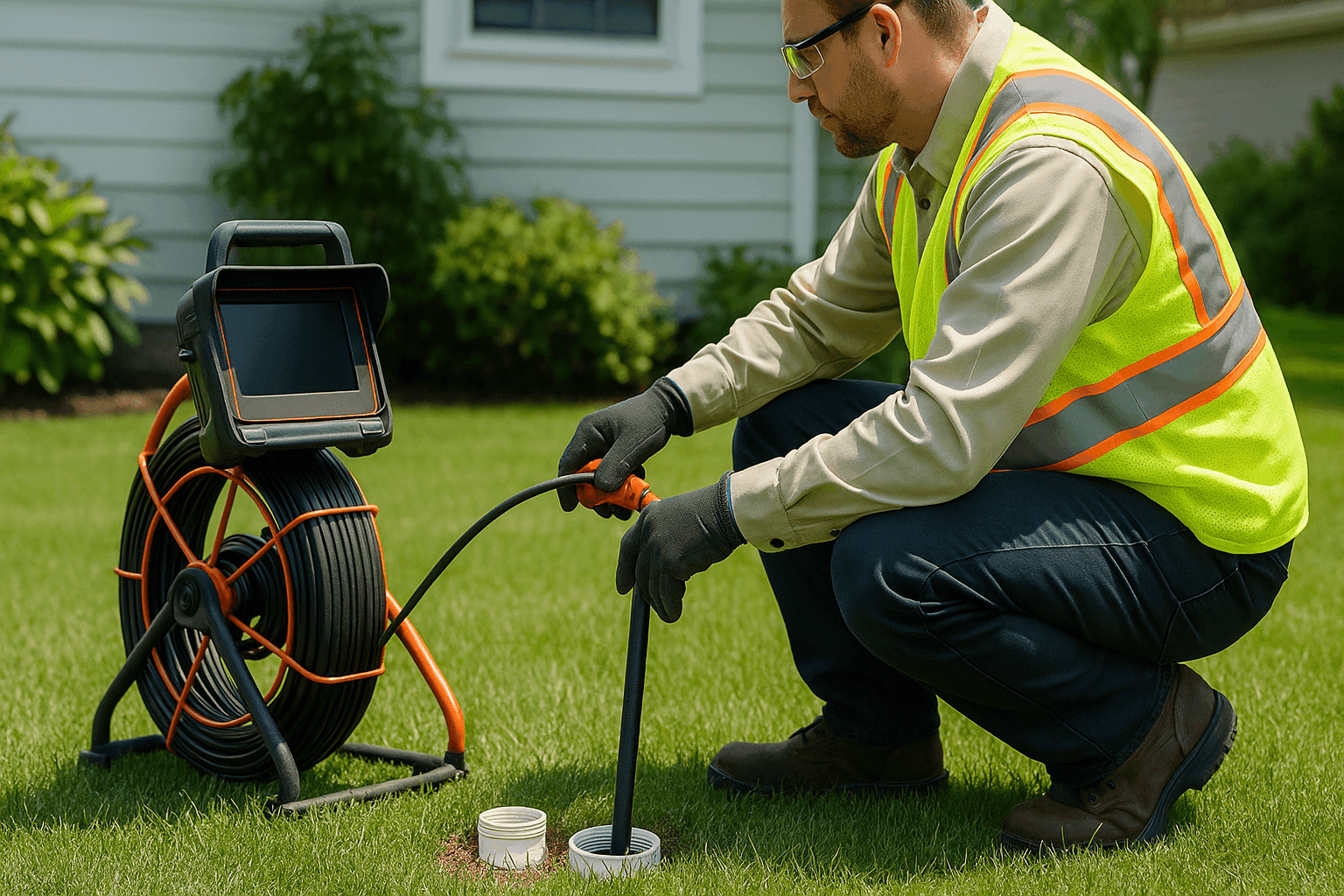
The cause often shapes the solution. Camera inspections—where a waterproof camera snakes through your pipes—help pinpoint exactly what’s going on, without guesswork.
Repair Options
Not all sewer problems need a backhoe and a week of chaos. Today’s solutions are smarter, faster, and often less invasive.
- Drain cleaning: Motorized augers or hydro-jetting can clear out clogs from grease, roots, or debris.
- Spot repair: If only a short section is damaged, plumbers can dig up and fix just that spot.
- Pipe lining: A flexible liner is inserted and cured inside the old pipe, creating a new, seamless inner wall—no trench required.
- Pipe bursting: The old pipe is broken up and a new pipe is pulled through the same space.
- Full replacement: For collapsed or severely damaged lines, sometimes there’s no choice but to dig and replace the entire length.
Transparent pricing is key. At SDC Plumbing, we always provide clear estimates, so you know what to expect before work begins.
Trenchless Technology 🚧
The days of tearing up your whole yard are numbered. Trenchless methods let us repair or replace pipes with minimal digging.
- Benefits: Less mess, faster turnaround, and often saves your landscaping.
- How it works: Small access holes are made at each end of the line. Tools and materials are fed through without opening a giant trench.
- Good for: Many homes and businesses—especially where driveways, patios, or trees would otherwise be destroyed.
Ask your plumber if trenchless repair is right for your situation. Not all pipes qualify, but it’s worth exploring.
Quick Safety Checklist
Before you do anything, check these safety basics:
- Avoid using plumbing fixtures if you suspect a main line backup—especially toilets and washing machines.
- If sewage is present, keep kids and pets away. Raw sewage carries serious health risks.
- Don’t use harsh chemical drain cleaners. They can damage pipes and harm the environment.
- If you smell strong sewer gas indoors, ventilate the area and leave if you feel unwell. Sewer gas can be dangerous.
If in doubt, treat any major sewer issue as an emergency. It’s better to be cautious than to risk your health or property.
DIY vs. Call a Pro
Some minor drain clogs are fair game for DIY. But main sewer line problems? That’s another story.
DIY might be okay if:
- Only one drain is slow or clogged.
- There’s no sign of backup at the lowest point in your home.
- You’re comfortable using a plunger or simple hand auger.
Call a pro when:
- Multiple drains are slow or backing up.
- You notice sewage smells, wet spots, or odd noises.
- Water is coming up from floor drains or tubs.
- You see sudden changes outside—like soft spots or sinkholes.
- You suspect tree roots or a broken pipe.
Attempting a DIY fix on the main line can make things worse—or expose you to contaminants. Emergency plumbing services exist for a reason.
What Pros Do On Arrival
When SDC Plumbing arrives, you’ll recognize a systematic, professional approach:
- Assessment: Listen to your concerns and inspect the property.
- Camera inspection: A small video camera is guided through the pipes to find the exact problem—no guessing.
- Diagnosis: We explain the findings and what needs to happen next.
- Clear estimate: You get transparent pricing—no surprise charges.
- Repair or cleaning: Depending on the issue, we’ll start with the least invasive solution (like drain cleaning) and move up as needed.
- Final check: After the fix, we test the line again to make sure your plumbing is fully restored.
Prevention & Maintenance 🛠️
A little prevention goes a long way. Here’s how to keep your sewer line healthy:
- Avoid flushing anything but toilet paper and waste—no wipes, grease, or hygiene products.
- Schedule annual or biannual drain cleaning, especially if you have older pipes or lots of trees nearby.
- Install drain screens in sinks and tubs to catch hair and debris.
- For commercial buildings, regular camera inspections can catch problems early.
- Know the location of your main cleanout—a capped pipe outside or in the basement—for faster emergency access.
The Environmental Protection Agency (EPA) and local plumbing codes recommend regular maintenance to prevent costly backups and protect water quality.
Costs & Time Factors
Every job is different—but here’s what impacts sewer line repair time and cost:
- Type of repair: Cleaning a clog is quicker and less expensive than replacing a section of pipe.
- Pipe material and depth: Deeper, older, or unusual pipes can take longer to access and fix.
- Accessibility: Pipes under driveways or patios may need extra work.
- Extent of damage: Spot repairs are faster; full replacements take more time.
- Permitting: Some work—especially in commercial buildings—requires city permits and inspections.
Most emergency plumbing repairs can be started the same day you call. Trenchless repairs often wrap up in a day or two, while full replacements may take several days, especially if weather or permitting causes delays.
When It’s an Emergency
Some sewer line issues just can’t wait:
- Raw sewage is backing up into your home or business.
- Multiple fixtures won’t drain, and water is appearing at the lowest point.
- You smell strong sewer gas indoors—risk of explosion or illness.
- Sudden, severe lawn sinkholes or flooding.
- Pipe damage during a freeze or after heavy rain/flooding.
In these cases, call emergency plumbing help right away. Quick action can reduce property damage and protect your health.
FAQ
How do I know if it’s a sewer line issue or just a normal clog?
If more than one fixture is slow or backing up, or if you notice smells, gurgling, or backups at the lowest drain, you likely have a main line problem.
Can tree roots really break through pipes?
Yes. Roots are attracted to moisture and can slip into tiny pipe cracks, slowly prying them open over time. This is especially common with older clay or cast iron pipes.
Is trenchless repair always an option?
Not always. Extremely collapsed pipes, sharp bends, or certain materials may rule it out. A camera inspection will reveal what’s possible.
How often should I get my sewer line checked?
For homes with older pipes or lots of trees, every 1–2 years is smart. Commercial buildings should consider annual inspections.
Local & Seasonal Considerations 🌳
Sewer lines in our region face unique challenges:
- Tree roots: Mature trees, especially maples or willows, are notorious for invading pipes. If you have large trees within 20–30 feet of your main line, stay vigilant.
- Freeze-thaw cycles: When winter swings to spring, ground shifts can crack or misalign pipes. Watch for new leaks or slow drains after major freezes.
- Heavy rains: Saturated soil can put extra pressure on pipes and even cause backups from the city main.
If you’ve just weathered a storm or cold snap, keep an eye on your plumbing. Early detection makes all the difference.
Sewer problems don’t fix themselves. If you spot warning signs or need emergency plumbing help—whether it’s water heater repair near you or a sewer line emergency—SDC Plumbing is ready to respond.
Call SDC Plumbing now — or reach us anytime at 888-218-8797 .