Top 10 Signs Your Water Heater Needs Repair
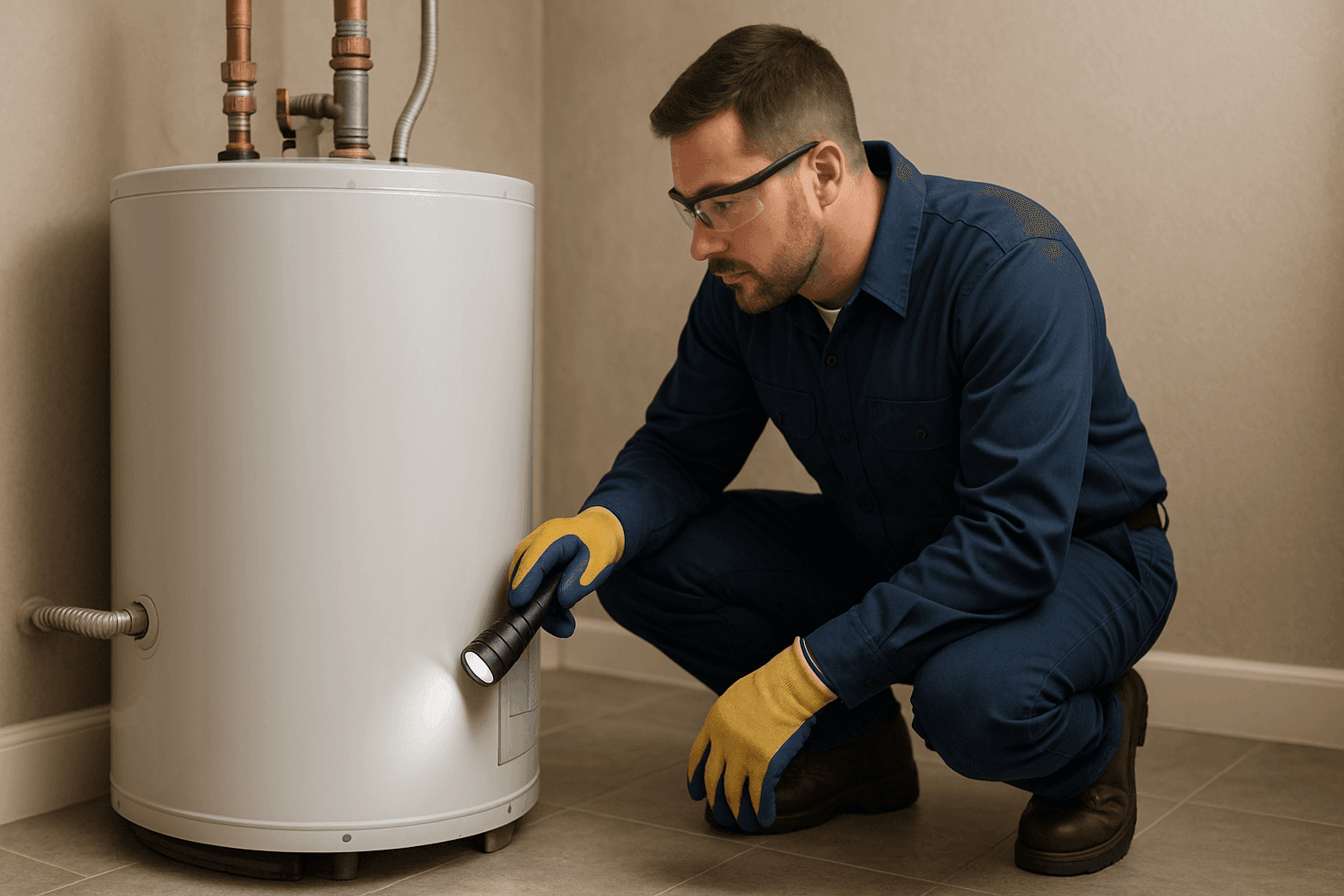
Do you ever wonder if your water heater is trying to get your attention? A cold shower or odd clanking in the basement isn’t just bad luck. It’s your water heater’s way of waving a red flag. At SDC Plumbing, we’ve seen it all—scalding water, chilly surprises, and mystery puddles that turn into major headaches.
Whether you own a home, manage an apartment building, or run a busy business, your water heater is the silent workhorse you rely on every day. Let’s make sure it doesn’t let you down.
Common Signs of Water Heater Trouble 🔥
Your water heater rarely stops working without warning. Most breakdowns start with subtle clues. If you spot any of these signs, take them seriously:
1. No Hot Water
The most obvious sign. If your taps run cold or only lukewarm, your water heater’s heart might be giving out. This could point to a failed heating element, a broken thermostat, or sediment buildup.
2. Inconsistent Water Temperatures
Jumping from icy to boiling? That’s not magic—it’s a warning. Fluctuating temperatures mean your heater’s internal controls might be failing or sediment is messing with its sensors.
3. Strange Noises
Pop. Bang. Rumbling like a thunderstorm in your basement. Sediment hardens over time, causing your unit to work harder and get noisier. Ignore this, and you risk a major breakdown.
4. Leaks Around the Tank
A little water on the floor is never “just condensation.” Even the smallest leak can grow into a flood, damaging floors, walls, and anything nearby.
5. Rusty or Brown Water
Water that looks like weak tea or smells metallic is often a sign of internal corrosion. If you see this in your hot tap, your tank might be rusting from the inside out.
6. Smelly or Discolored Output
Hot water that smells like rotten eggs? That’s usually bacteria reacting with the anode rod inside your tank. Not only unpleasant, but it can also be unsafe.
7. Higher Energy Bills
If your bill spikes but your usage hasn’t changed, your water heater could be losing efficiency. Sediment buildup or failing components make it work harder for the same results.
8. Pilot Light or Ignition Issues
If the pilot won’t stay lit (on gas models), or the ignition system keeps failing, your water heater could be in trouble. This isn’t just inconvenient—it can be a safety hazard.
9. Age (10+ Years)
Most heaters last about a decade. If yours is older, it’s living on borrowed time. Even if it’s still running, breakdowns become more likely and frequent.
10. Visible Corrosion
If you see rust, white crusty deposits, or other signs of corrosion on the tank or fittings, don’t ignore them. Corrosion means leaks aren’t far behind.
Risks of Delaying Repairs ⏳
Putting off water heater repairs is like driving on a flat tire and hoping for the best. Here’s what’s at stake:
- Water Damage: A leaking tank can flood your home or business, causing thousands in repairs.
- Wasted Energy: Faulty heaters burn more gas or electricity—money down the drain.
- Sudden Breakdown: You risk losing hot water when you need it most—like on a freezing Monday morning before work.
- Safety Hazards: Gas leaks, scalding temps, or electrical issues can be dangerous for everyone inside.
The International Association of Plumbing and Mechanical Officials (IAPMO) recommends addressing leaks and faults promptly to avoid property and safety risks.
When to Repair vs. Replace
Water heaters aren’t immortal. But not every issue means you need a new one.
- Repair: If your unit is under 10 years old, has minor issues (like a faulty thermostat), or hasn’t needed many fixes, a repair is usually the best choice.
- Replace: If your heater is over 10 years old, leaking from the tank, or needs frequent repairs, replacement is often more cost-effective in the long run.
According to the U.S. Department of Energy, replacing old, inefficient heaters can also cut your energy bills.
Quick Safety Checklist
If you spot a problem, run through this checklist before doing anything else:
- Turn off power/gas: Shut off the breaker or gas valve to your heater.
- Check for standing water: If you find a flood, avoid contact—water and electricity don’t mix.
- Ventilate: If you smell gas, leave the area and call for help.
- Don’t ignore leaks: Even a drip can turn into a disaster.
- Note symptoms: Write down any noises, smells, or odd behavior to share with your plumber.
DIY Fixes vs. When to Call SDC Plumbing
Some issues are safe to tackle on your own. Others need professional attention fast.
What You Can Try
- Reset the breaker or gas valve.
- Flush the tank (if you know how) to remove sediment.
- Check the thermostat settings.
But—if you see leaks, rust, gas smells, or sparks, or if you’re unsure, call a professional. Emergency plumbing isn’t a DIY project.
What SDC Plumbing Pros Do On Arrival
Our certified plumbing techs show up ready for anything. Here’s what happens next:
- Full inspection: We assess your heater, connections, and surrounding area.
- Code compliance: We check everything against local and national plumbing codes for safety.
- Diagnosis: We pinpoint the cause—no guesswork.
- Repairs on the spot: Most issues are fixed same-day, often without needing special parts.
- Advice: If replacement makes more sense, we’ll explain your options clearly.
We’re experienced with every brand and type—tank, tankless, gas, electric—serving both homes and businesses.
Prevention & Maintenance 🛠️
A little TLC goes a long way. Keep your water heater running smoother, longer, with these tips:
- Annual flush: Remove sediment to prevent noisy, inefficient operation.
- Check the anode rod: Replace every few years to protect against rust.
- Test the pressure relief valve: Ensures safe operation.
- Schedule regular inspections: Don’t wait for trouble—routine checkups catch problems early.
The Plumbing-Heating-Cooling Contractors Association (PHCC) recommends annual maintenance for all water heaters.
Costs & Time Factors
No one likes surprise bills or endless repairs. Here’s what to expect:
- Repair costs: Vary by problem, but small fixes (like thermostat replacement) are usually affordable.
- Replacement: More expensive upfront, but often cheaper in the long run if your heater is aging or inefficient.
- Time: Many repairs are done in under two hours; replacements may take half a day.
Always ask for a clear explanation before any work begins.
When It’s an Emergency
Certain problems mean it’s time to call for emergency plumbing—right now:
- Major leaks or flood: Shut off water and power, then call.
- No hot water in winter: For businesses, this can halt operations—or make homes unlivable.
- Gas smells: Leave the area and call immediately.
- Sparking or electrical smells: Shut off power and call.
Don’t wait. The sooner you act, the less damage (and cost) you’ll face.
FAQ
How long should a water heater last?
Most models run reliably for 8–12 years. After that, risk of breakdowns rises.
Is it safe to keep using a rusty water heater?
No. Rust means the tank could fail at any time, causing leaks or worse.
Can I fix a leaking water heater myself?
You can tighten fittings, but tank leaks or serious problems need professional help.
Does hard water damage my heater?
Yes. Hard water causes sediment buildup, which shortens lifespan and reduces efficiency.
Local & Seasonal Considerations 🏠
No matter the climate—snowy winters or humid summers—your water heater works overtime. In colder months, heating demands spike. In the summer, vacation rentals and businesses may see extra use. SDC Plumbing serves all types of homes and commercial properties, adapting solutions to your local water conditions and seasonal demands.
Don’t Wait for Disaster—Act Early
If your water heater is showing any warning signs, don’t put repairs on the back burner. A quick call could save you major hassle—and money. For Water Heater Repair near you, emergency plumbing, and honest advice, we’re here around the clock.
Call SDC Plumbing now — or reach us anytime at 888-218-8797 .