Sump Pump Failure: Top Causes & How to Protect Your Basement
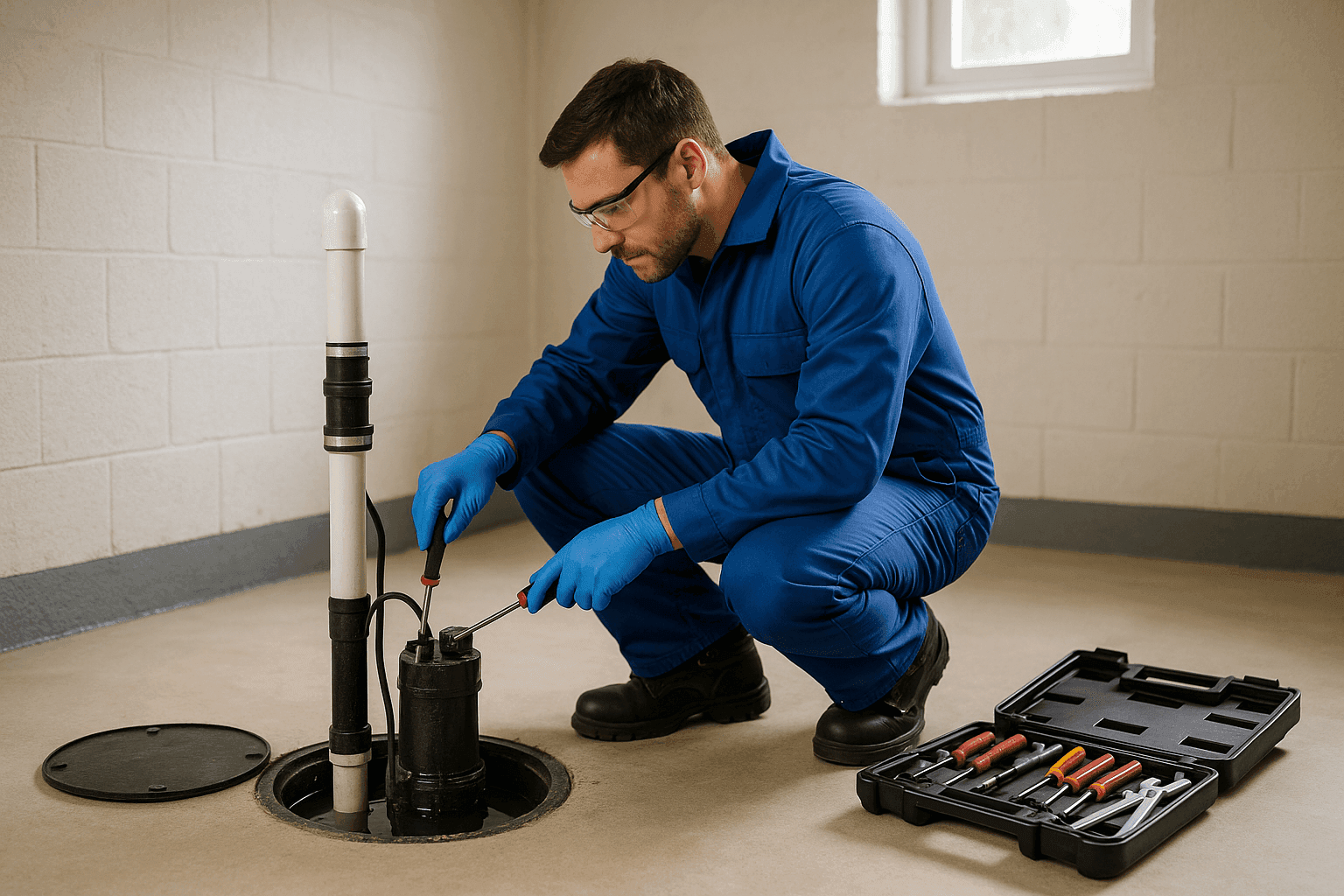
When the skies open up and rain pours down, your basement shouldn’t feel like the first stop for all that water. But one silent hero keeps it dry: your sump pump. When it fails, the mess is more than just water. It’s ruined memories, damaged flooring, and a headache that just doesn’t quit.
At SDC Plumbing, we know the stress that comes with a flooded basement—especially when you thought you were protected. That’s why we’re here 24/7 for emergency plumbing. Let’s break down why sump pumps fail, how you can spot problems early, and what it takes to keep your basement dry all year.
How Sump Pumps Work 🛠️
Think of your sump pump as a lifeguard for your foundation. Water seeps in, flows into a pit (the “sump basin”), and when it reaches a certain level, the pump kicks on. It pushes water away from your home, usually through a discharge pipe leading to your yard or a storm drain.
Key parts:
- Sump basin: Collects incoming water.
- Float switch: Senses when water’s high enough.
- Pump motor: Drives water out.
- Discharge line: Carries water away from your house.
If any part drops the ball, water wins. And in heavy rain or flooding, you need every part working together.
Common Failure Causes
Even the best sump pumps can struggle. Here’s why yours might quit just when you need it most:
1. Power Loss
Most pumps run on electricity. During a storm, a power outage means your pump is just a lump of plastic and metal. No backup? Water rises, and the flood begins. A battery backup system can save the day, but many homes don’t have one.
2. Switch Failure
The float switch is the “on” button. If it gets stuck (from debris, mineral buildup, or just old age), the pump never activates. Sometimes, the pump can shift in the basin and the float can’t move freely—like a light switch jammed by furniture.
3. Discharge Line Clogs
If the pipe carrying water out is blocked by mud, ice, or critters, the pump can’t push water away. Pressure builds, the pump works overtime, and eventually, it can burn out.
4. Overwhelmed by Water Volume
Some storms dump more water than your pump was built to handle. The basin fills up faster than the pump can empty it. That’s like bailing a sinking boat with a coffee mug.
5. Aging or Poor Installation
Old pumps wear out. Cheap or incorrectly installed pumps might not cycle on properly—or at all. The result? Basement puddles, then pools.
DIY Sump Pump Checks
You don’t need a toolkit the size of a plumber’s van to catch most sump pump problems. Here’s your quick-check guide:
- Test the float: Pour a bucket of water into the basin. Does the pump kick on?
- Listen for strange noises: Grinding, rattling, or silence? All are bad signs.
- Check the discharge pipe outside: Water should flow out freely—no mud, ice, or blockages.
- Look for power: Is the pump plugged in? Is the GFCI outlet tripped?
- Inspect for leaks: Water around the basin is a red flag.
If you spot a problem and aren’t sure what to do, it’s time to call SDC Plumbing for emergency plumbing help.
Professional Repairs: What to Expect
When you call in the pros, here’s what happens next:
- Assessment: We check the power, switch, and basin for obvious issues.
- Discharge inspection: We trace the line outside and clear blockages.
- Pump test: We run the pump through cycles, checking for weak flow or strange sounds.
- Electrical safety: We follow local code requirements and ensure GFCI protection is in place (as recommended by the National Electrical Code).
- Recommendations: If your pump is old or undersized, we’ll suggest the right replacement and backup options.
Seasonal Maintenance Tips 🌦️
Rainy seasons hit hard. Don’t wait for the first storm to find out your pump’s asleep on the job.
- Spring: Test your sump pump before the rainy season. Clean the basin, check the float, and inspect the discharge line.
- Fall: Remove leaves or debris from around the discharge point outside.
- Winter: Make sure the discharge line isn’t frozen or blocked with ice.
- Year-round: Consider an annual professional checkup, especially if you live in a flood-prone area or have experienced water damage before.
Tip: Keep a backup battery system ready. If power goes out, your pump keeps running.
Costs & Time Factors
- Inspection: Quick checks take less than an hour.
- Minor repairs: Simple fixes like clearing a switch or pipe can be done same-day.
- Pump replacement: Most jobs are completed in a few hours.
- Cost factors: Severity of the issue, pump age, and need for backup systems all affect final costs.
What’s at stake? The price of repair is almost always less than the cost to restore a flooded basement.
When It’s an Emergency
If you see water rising fast—or your pump doesn’t run at all during a storm—don’t wait. Mold, foundation cracks, and electrical hazards can sneak up quickly. Emergency plumbing services are available for situations just like this, day or night.
Frequently Asked Questions
Why did my sump pump fail during the last storm?
Most failures come down to power loss, switch problems, or clogged lines. Heavy rain can also overwhelm smaller pumps. Regular maintenance and a battery backup can help avoid this in the future.
How long should a sump pump last?
With proper care, most models last 7–10 years. If yours is older or runs nonstop, consider a preemptive replacement.
Is a backup pump really necessary?
If you live in an area with frequent storms or power outages, a backup pump or battery system is a smart investment. It’s like having a spare tire—you hope you never need it, but you’ll be glad it’s there.
What’s the risk if I ignore maintenance?
Flooded basements, ruined flooring, and mold growth are just the start. Water damage can threaten your home’s foundation and your peace of mind.
Local & Seasonal Considerations 🌧️
Heavy rain and rapid snowmelt are common in our region. That means sump pumps work hardest when you can least afford a breakdown. SDC Plumbing recommends a maintenance plan tailored to your home or business needs—especially if you’ve had water issues before. We also follow all local plumbing codes for sump pump installation and repairs.
Protect Your Basement—And Your Peace of Mind
Don’t wait for disaster to strike. A working sump pump is your best defense against basement flooding, property loss, and the stress that comes with it. If you notice any warning signs—or just want peace of mind before the next storm—SDC Plumbing is ready to help, day or night.
Call SDC Plumbing now — or reach us anytime at 888-218-8797 .