Water Filtration Systems: How to Choose the Best Option for Your Home
Clean water is more than a convenience. It’s a necessity—one that impacts your family’s health, the taste of your meals, and even the lifespan of your plumbing. At SDC Plumbing, we’ve seen how a simple water filtration system can transform homes and businesses, making water not just safer but better.
Choosing the right system can feel overwhelming. From mysterious acronyms to endless product claims, it’s easy to get lost. Let’s break it down together. Here’s what you need to know before making a decision that impacts every drop you use.
Why Filter Your Water? 💧
Imagine turning on the tap and knowing exactly what’s in your glass. That’s peace of mind. But most water—whether from the city, a well, or a shared building—carries along more than H₂O.
Common Reasons to Filter
- Remove Harmful Contaminants: Lead, chlorine, bacteria, pesticides, and even microplastics can sneak into your water.
- Improve Taste and Smell: No more musty or “swimming pool” flavors.
- Protect Your Plumbing: Sediment and minerals can clog pipes, damage appliances, and lead to expensive repairs.
- Health and Safety: Clean water supports healthy skin, digestion, and long-term wellness.
The Centers for Disease Control and Prevention (CDC) recommends regular water testing and certified filtration to address specific water quality issues. If you’ve ever wondered about water heater repair near you or why your pipes corrode, your water quality might be the root cause.
Types of Filtration Systems
Picking a water filter is a bit like choosing shoes. The perfect fit depends on where you’ll use it, what you need to block out, and your budget.
Main Types
- Pitcher Filters: Fast and portable, but limited capacity. Good for renters or those just starting out.
- Faucet-Mounted Filters: Quick install, filters water at the tap. Great for kitchens, but may slow flow.
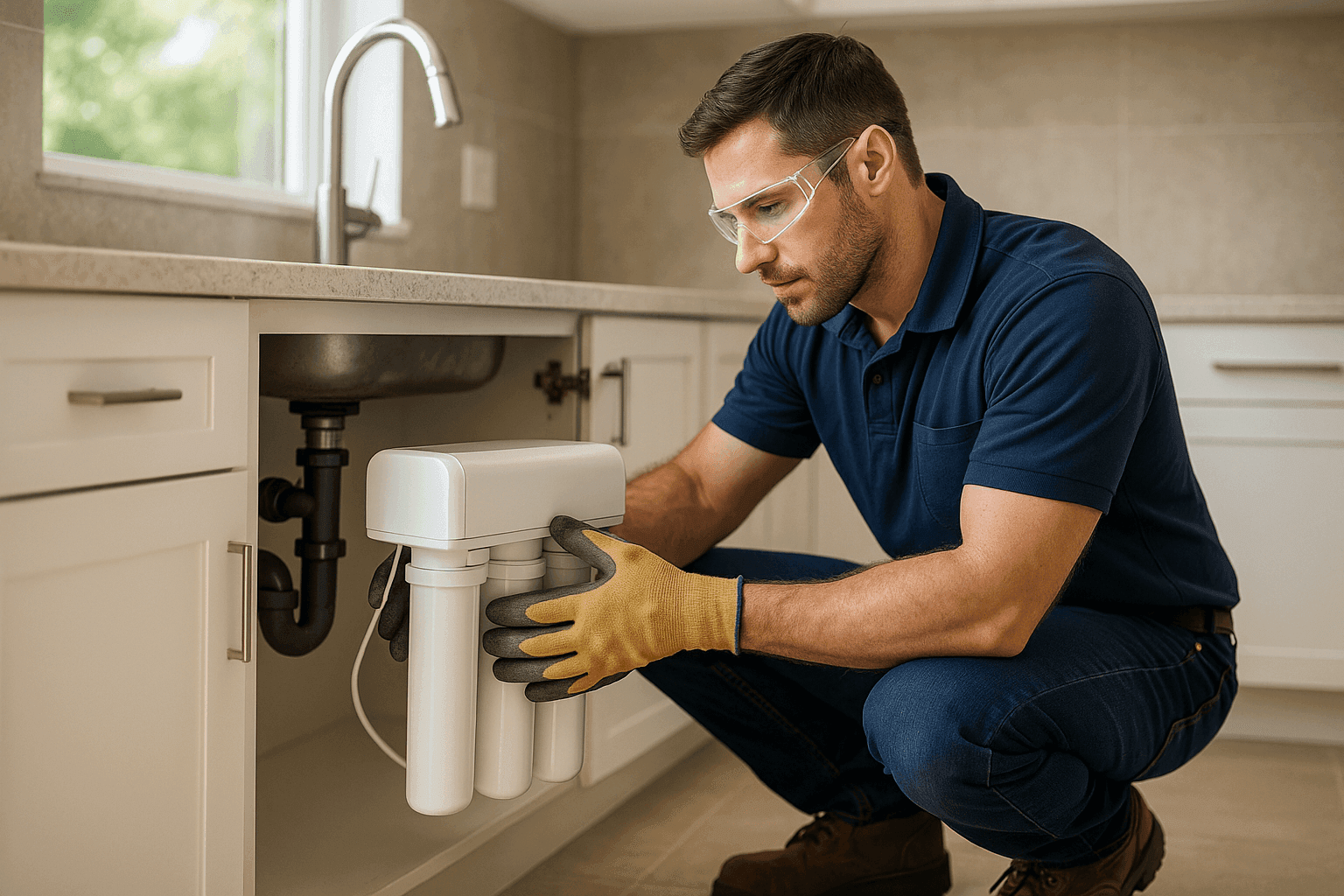
- Under-Sink Systems: Hidden away, powerful filtration for one faucet. Best for homeowners wanting long-term results.
- Whole-House Systems: Treats all water entering your property. Ideal for homes with well water, older plumbing, or high contaminant levels.
- Reverse Osmosis Units: Removes most dissolved solids. Perfect for sensitive health needs or local water with known issues.
- UV Purifiers: Zaps bacteria and viruses. Common in areas with biological contaminants.
Each style has its own way of tackling what’s in your water. Some combine methods—like carbon filters paired with UV—to cover all the bases.
Pros and Cons
No solution is one-size-fits-all. Here’s what to keep in mind before you choose.
Pitcher Filters
- Pros: Affordable, no installation, portable.
- Cons: Limited capacity, frequent cartridge changes.
Faucet-Mounted Filters
- Pros: Simple to set up, filters on-demand.
- Cons: Can slow water flow, may not fit all faucets.
Under-Sink Systems
- Pros: Powerful, out of sight, long-lasting filters.
- Cons: Installation required, serves one tap.
Whole-House Systems
- Pros: Filters every drop, protects pipes and appliances.
- Cons: Higher upfront cost, needs professional installation.
Reverse Osmosis
- Pros: Excellent contaminant removal, improves taste.
- Cons: Wastes some water, slower output, more maintenance.
UV Purifiers
- Pros: Destroys bacteria/viruses, chemical-free.
- Cons: Doesn’t remove chemicals or sediments, requires electricity.
Installation and Maintenance 🛠️
A water filter isn’t a “set it and forget it” gadget. Like a car, it needs regular care to keep running smoothly.
Installation Tips
- Know Your Plumbing: Some systems (like whole-house) tie into your main water line and typically require a professional—especially if you want to avoid leaks or voiding warranties.
- Certified Products: Look for systems tested by NSF International or Water Quality Association (WQA) for peace of mind.
- Space and Access: Make sure you have room under the sink or near your main water shutoff for installation and filter changes.
Maintenance Matters
- Change Filters Regularly: Dirty filters don’t just stop working—they can breed bacteria.
- Check for Leaks: After installation, watch for drips or dampness.
- Keep Manuals Handy: Each system has its own schedule for cartridge swaps and cleaning.
Don’t forget: emergency plumbing calls often start with a small leak after a DIY installation. When in doubt, let a licensed plumber handle the job.
Testing Your Water
How do you know which filter you need? Start with a water test.
Easy Steps
- Get a Home Test Kit: Available online or at hardware stores. These check for basics like chlorine, lead, and hardness.
- Review Your Water Quality Report: Municipalities provide annual Consumer Confidence Reports (CCR). This lists what’s in your tap.
- Consider Local Issues: If you’re on well water or near industrial areas, test for pesticides, bacteria, and heavy metals.
- Consult a Pro: Licensed plumbers or certified laboratories can perform more thorough testing if you have concerns.
Testing gives you a clear map—so you only pay for the filtration you truly need.
Local and Seasonal Water Issues 🌦️
Water quality isn’t static. Heavy rain, drought, older buildings, or seasonal changes can all affect what comes out of your tap.
- Older Neighborhoods: Lead pipes and solder are common in pre-1980s construction.
- Heavy Storms: Runoff can introduce bacteria, pesticides, and sediment.
- Drought: Water sources may become more concentrated with minerals and contaminants.
- Building Type: Commercial properties may need larger or specialized systems.
Always re-test if you notice a sudden change in taste, smell, or color.
FAQ
How do I know if my water needs filtration?
If your water smells odd, tastes metallic, leaves stains, or your plumbing needs frequent repair, filtration can help. Annual testing gives a clearer answer.
Can I install a water filtration system myself?
Pitcher and faucet filters are usually DIY-friendly. Under-sink, reverse osmosis, and whole-house systems often require a licensed plumber to meet code and prevent leaks.
How often do I need to change my filter?
It varies by system and water quality. Some need changing monthly, others every 6–12 months. Always follow the manufacturer’s guidelines.
Is filtered water safe for pets and plants?
Yes! In fact, removing chlorine and heavy metals makes it safer for everyone—your furry friends and your garden included.
When to Call SDC Plumbing
If you’re unsure what’s in your water, have stubborn plumbing issues, or want a system installed by skilled hands, SDC Plumbing is here. We handle everything from emergency plumbing to water heater repair near you, so you never have to second-guess your water’s safety.
Call SDC Plumbing now — or reach us anytime at 888-218-8797 .