Water Heater Maintenance: Extend the Life of Your System
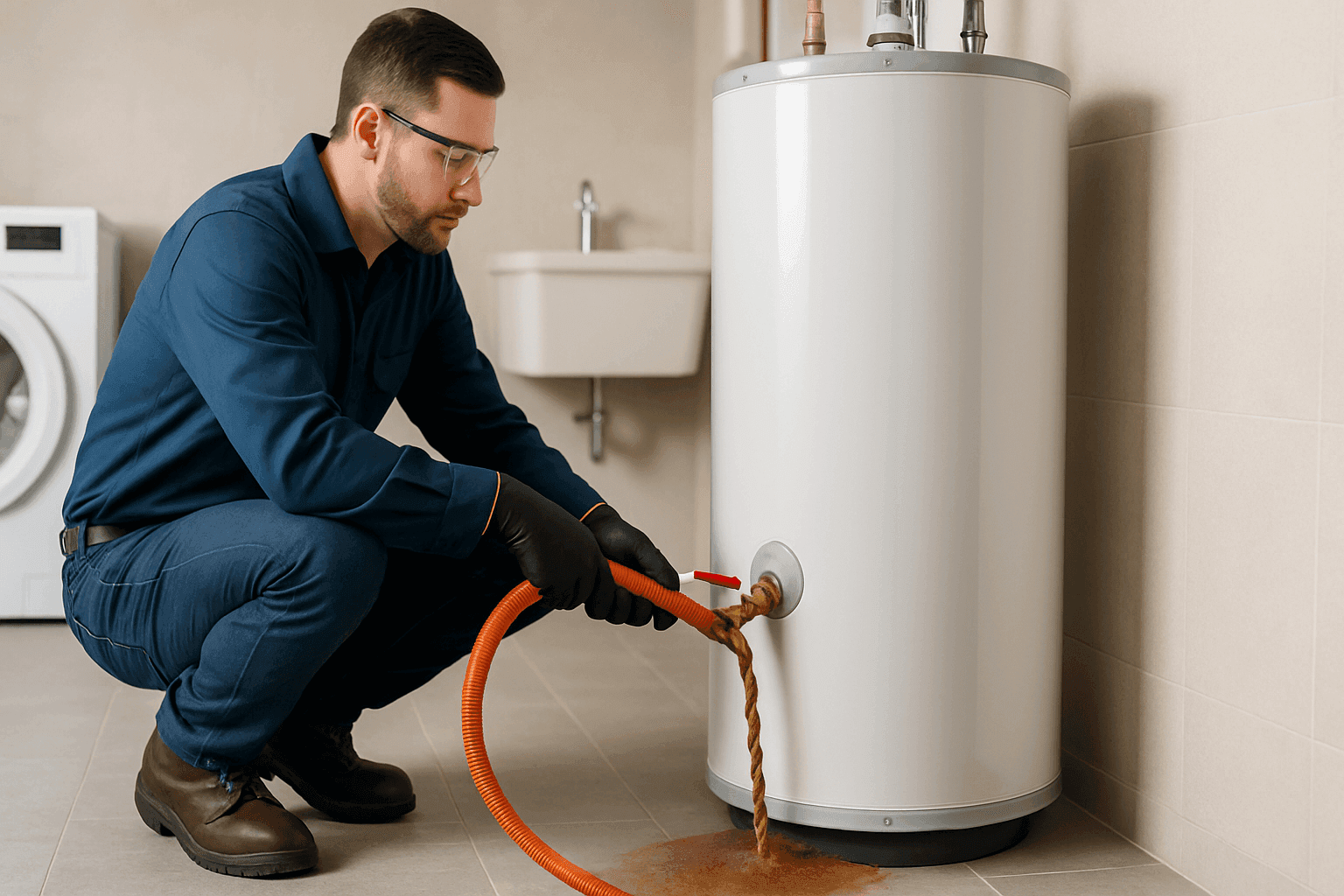
Every home and business relies on hot water, but most people don’t think twice about their water heater. That is, until ice-cold water bites back during a morning shower. Or the tank starts leaking at midnight. At SDC Plumbing, we know how quickly a neglected water heater can go from quiet helper to emergency plumbing nightmare.
You don’t have to wait for disaster. A few simple steps, done regularly, can help you stretch the life of your system. Let’s talk about water heater maintenance—what it is, why it matters, and how you can save money (and headaches) in the long run.
Why Maintenance Matters 🛠️
A water heater is like the heart of your plumbing system. When it’s healthy, everything flows. But if neglected, it can clog, corrode, or stop working without warning.
- Reliability: Regular maintenance keeps hot water available day and night—no cold surprises.
- Efficiency: Sediment build-up makes your heater work harder, spiking energy bills and wearing out parts.
- Safety: Gas and electric heaters can become dangerous if leaks or pressure build-ups go unchecked.
- Warranty Protection: Many manufacturer warranties require annual maintenance for coverage.
The International Association of Plumbing and Mechanical Officials (IAPMO) recommends annual checks to keep systems in line with safety codes and standards.
Key Water Heater Tasks
A little care goes a long way. Here’s what should be on your water heater’s to-do list:
- Flushing the Tank: Removes sediment before it hardens and damages the tank or heating elements.
- Anode Rod Inspection: This “sacrificial” rod attracts corrosive elements. Checking and replacing it prevents rust inside your tank.
- Insulation: Wrapping your tank and pipes in insulation blankets keeps the heat in, saving energy and cutting down on wear.
- Temperature Setting: 120°F is usually hot enough for comfort and safety. Higher temps can scald and stress the system.
- Leak Checks: Small drips add up. Early detection prevents water damage and big repair bills.
Flushing & Inspection
Think of sediment as sand at the bottom of a pond. It builds up slowly, then suddenly clogs everything. Here’s how to tackle it:
- Turn off power/gas and cold water supply.
- Attach a garden hose to the tank’s drain valve.
- Open the valve and let water (and sediment) drain into a safe area.
- Refill and restart the heater.
For anode rods, unscrew the rod at the top of the tank and inspect for heavy corrosion. If it’s mostly gone, replace it. The U.S. Department of Energy recommends this check every 1–2 years.
Insulation is easy—pre-cut jackets are available at most hardware stores. Just wrap the tank (avoid covering controls or vents) and secure with tape.
When to Replace
No appliance lasts forever. Most heaters give warning signs before calling it quits:
- Age—over 10 years is the danger zone for most tanks
- Rusty or metallic-tasting water
- Strange noises—rumbling or popping
- Leaks from the bottom of the tank
- Frequent pilot light or heating element failures
If you see these, replacement may be safer and cheaper than another repair. SDC Plumbing handles water heater installation—and emergency plumbing—so you’re never left in the cold.
Quick Safety Checklist ⚡
- Turn off power (electric) or set gas to “pilot” before maintenance.
- Never touch electrical wiring unless trained.
- Keep flammable materials away from gas heaters.
- Watch for leaks or smells of gas—these are emergencies.
- Check local code requirements (like pressure relief valve testing).
The National Fire Protection Association (NFPA) and local building codes have strict guidelines for water heater safety. When in doubt, call a qualified plumber.
DIY vs. Call a Pro
Some jobs are safe for confident DIYers: draining the tank, adjusting temperature, wrapping insulation. But others are best left to licensed professionals:
- Gas line issues
- Electrical repairs
- Full tank replacements
- Pressure relief valve problems
A certified technician from SDC Plumbing brings tools, know-how, and eyes for issues you might miss.
What Pros Do On Arrival
When you book Water Heater Repair near you, here’s what to expect from a professional visit:
- Full tank and pipe inspection, checking for corrosion, leaks, and code compliance
- Sediment flush with proper disposal
- Anode rod check and replacement if needed
- Testing of thermostat and safety controls
- Checking and adjusting water pressure
- Review of venting and gas line safety (if applicable)
Everything is documented. You get peace of mind—and proof for warranty coverage.
Prevention & Maintenance
The best way to avoid emergency plumbing calls is a simple routine:
- Annual Inspection: Schedule a yearly check-up with SDC Plumbing.
- Monthly Visual Checks: Look for leaks, rust, or drips.
- Drain a Few Gallons Every 3–4 Months: This keeps sediment from piling up.
- Insulate Pipes and Tank: Especially important in colder months.
Preventative maintenance protects your home, your wallet, and your hot showers.
Costs & Time Factors
Water heater maintenance isn’t free, but it’s much cheaper than emergency repairs or replacements. Here’s what to keep in mind:
- Annual service: Usually takes 60–90 minutes.
- Materials: Anode rods and insulation are affordable.
- Repairs: Small fixes now prevent thousand-dollar emergencies later.
- Downtime: Scheduled maintenance means you pick the time—not the heater.
Regular care extends equipment life, saving money long-term.
When It’s an Emergency 🚨
Some situations can’t wait:
- Water pooling around the tank
- No hot water and strange noises
- Smell of gas or burning
- Sudden drop in water pressure throughout your property
Turn off the power or gas, shut the water supply, and call SDC Plumbing immediately. Fast response can prevent major damage.
FAQ
How often should I flush my water heater?
Most manufacturers (like Rheem and AO Smith) recommend flushing at least once a year. If you have hard water, do it more often.
Is it normal for my water heater to make noise?
Some humming is normal. But popping, rumbling, or banging usually means sediment is building up and needs to be flushed out.
What’s the average lifespan of a water heater?
With regular maintenance, most last 8–12 years. Tankless models may last longer.
Can I increase my heater’s efficiency?
Yes! Regular maintenance, insulation, and keeping the temperature at 120°F can all help.
Local/Seasonal Considerations ❄️
Cold winters can stress water heaters. If you’re in an area with freezing temps:
- Insulate exposed pipes to prevent bursts
- Schedule maintenance before the first frost
- If leaving for vacation, lower the temperature but don’t turn off the heater completely
Commercial properties may need more frequent checks due to higher demand.
Ready to protect your hot water—and your peace of mind?
Call SDC Plumbing now — or reach us anytime at 888-218-8797 .